The Best Mizuno Running Shoes 2026: Our Top Picks for Stability, Trails, Marathons, and More
Editor’s Note 13 July 2026: We are currently testing several new models including the Wave Rider 30, and as reviews come in, we’ll update. However, that means you can get our current fave, the Wave Rider 29 for under $100.
Founded in Osaka in 1906, Mizuno built its reputation the old-fashioned way: meticulous Japanese craftsmanship, obsessive attention to detail, and a midsole technology so distinctive that runners who love the brand’s wave plate are essentially a subculture unto themselves.
For decades, the brand’s lineup was as reliable as it was predictable. You knew what you were getting with a Wave Rider. It’s a solid, comfy daily trainer for long runs. You knew what you were getting with an Inspire—a lightweight runner that helps you find your get-up-and-go. The problem was that the brand suffered in its own niche-ness, with brand loyalists loving it, but it had a hard time outside of that group.
What’s been happening at Mizuno over the last few years is nothing short of a renaissance. It started, arguably, with the Wave Rebellion Pro, a carbon-plated super shoe so geometrically strange and performance-forward that it barely looked like it came from the same company that made the Wave Rider.
Since then, the brand has been introducing shoes—like the Neo Vista and Neo Zen—that would have been genuinely unrecognizable to a Mizuno loyalist 10 years ago. Where the brand’s lineup was once fairly predictable, and maybe even bordered on stale, Mizuno debuted an entirely new super racer in 2023 and the innovation has only accelerated since. The new Enerzy Nxt, which is a nitrogen-infused compound, is an about face from the classically firmer ride the brand has long been associated with, moving into territory that’s softer, bouncier, and more competitive with what other foam-obsessed brands have been offering.
The shoes below represent where Mizuno is right now. Whether you’re a Wave loyalist or someone coming to Mizuno for the first time, there’s more to discover here for every sort of runner.
Get Your Full Run Fit: Best Running Shorts ● Best Running Shirts ● Best Running Hats
Best Mizuno Running Shoes
- Best Overall: Mizuno Neo Zen 2 (Women’s/Men’s)
- Best Daily Trainer: Mizuno Neo Vista 3 (Women’s/Men’s)
- Best for Racing: Mizuno Hyperwarp Elite (Unisex)
- Best Value for Racing: Mizuno Wave Rebellion 3 (Unisex)
- Best for Stability: Mizuno Wave Inspire 22 (Women’s/Men’s)
- Best for Trails: Mizuno Neo Accera (Unisex)
- Best for Long Runs: Mizuno Wave Rider 29 (Women’s/Men’s)
How We Selected
To pick the best Mizuno running shoes, I spoke with the design team of Mizuno as well as chatting with other Mizuno runners. I chatted with Running Reviews Editor Amanda Furrer, and consulted the results from our Runner’s World wear-test program. I have also personally run in every shoe on this list.
Full Reviews
Pros
- Lightweight
- Bouncy and propulsive
- Great ground feel

Cons
- The sock isn't for everyone

Key Specs
| Weight | 8.6 oz (M9), 7.3 oz (W8) |
| Drop | 6 mm |
| Heel Stack Height | 40.5 mm |
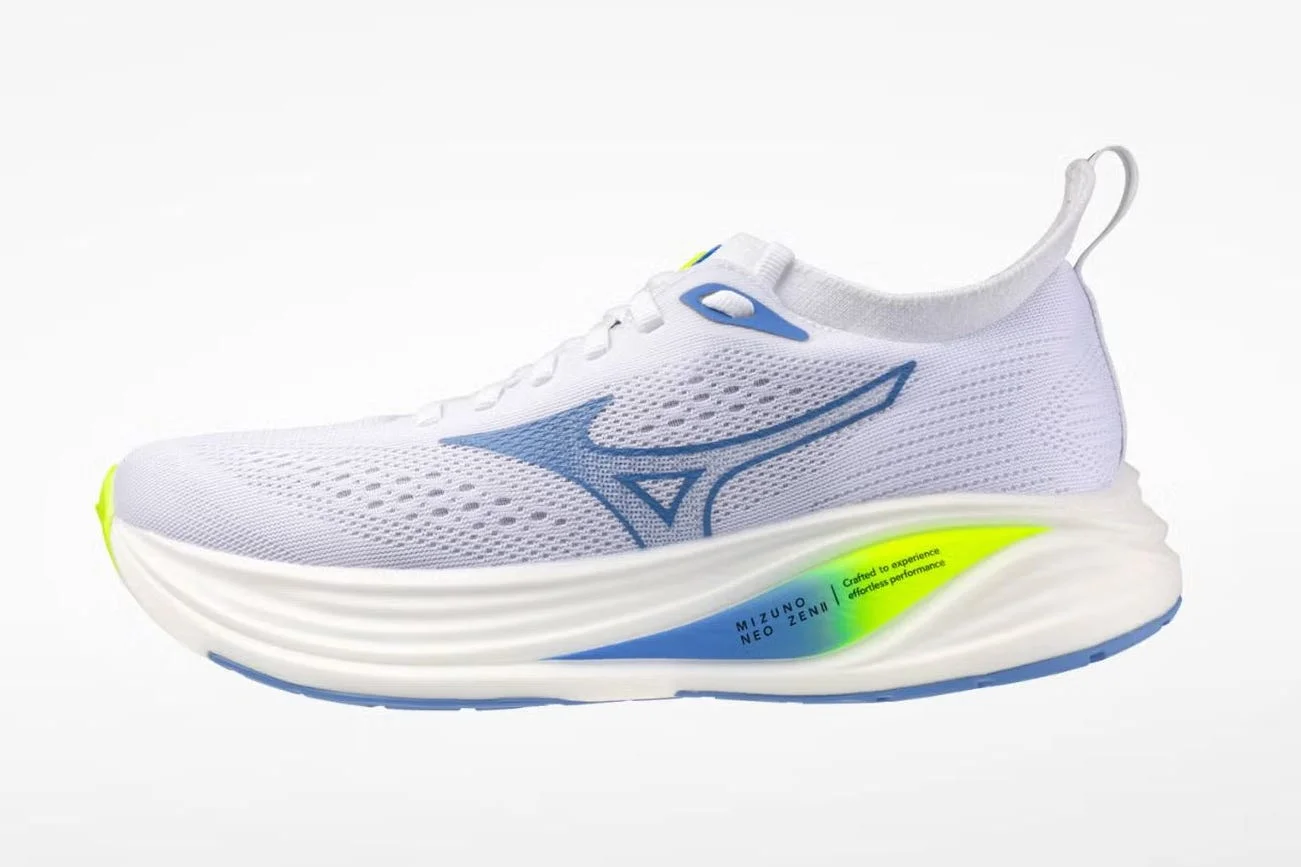
The Mizuno Neo Zen 2 feels like the next evolution of Mizuno’s modern cushioning approach, blending softness with a controlled, responsive ride. Underfoot, the foam delivers a smooth, almost rolling transition that makes easy miles feel effortless, while still holding enough structure to keep things from getting mushy. It’s a versatile daily trainer that leans comfort forward without completely losing its edge.
What stands out most is how adaptable the shoe feels across different runs. RW run tester Jenny Stump, who typically trains at an 8-minute pace, put that versatility to the test: “I did all sorts of workouts with the Neo Zen 2—I would say they work great on all surfaces: sidewalk, road, and tread.” That all-conditions reliability is a major win for runners who don’t want to rotate shoes constantly.
She also noted the ride’s standout feel, calling them “bouncy” with a level of cushioning that “I didn’t know I could love.” That balance of plushness and energy return makes the Neo Zen 2 an easy pick for daily mileage.
Shop Men’s at mizunousacomShop Women’s at mizunousa.com
Pros
- Stable even in lateral motion
- Comfortable on long training runs
- Breathable upper
Cons
- Snug in forefoot and midfoot at first
Key Specs
| Weight | 9.4 oz (M), 7.8 oz (W) |
| Drop | 8 mm |
| Heel Stack Height | 45.5 mm |
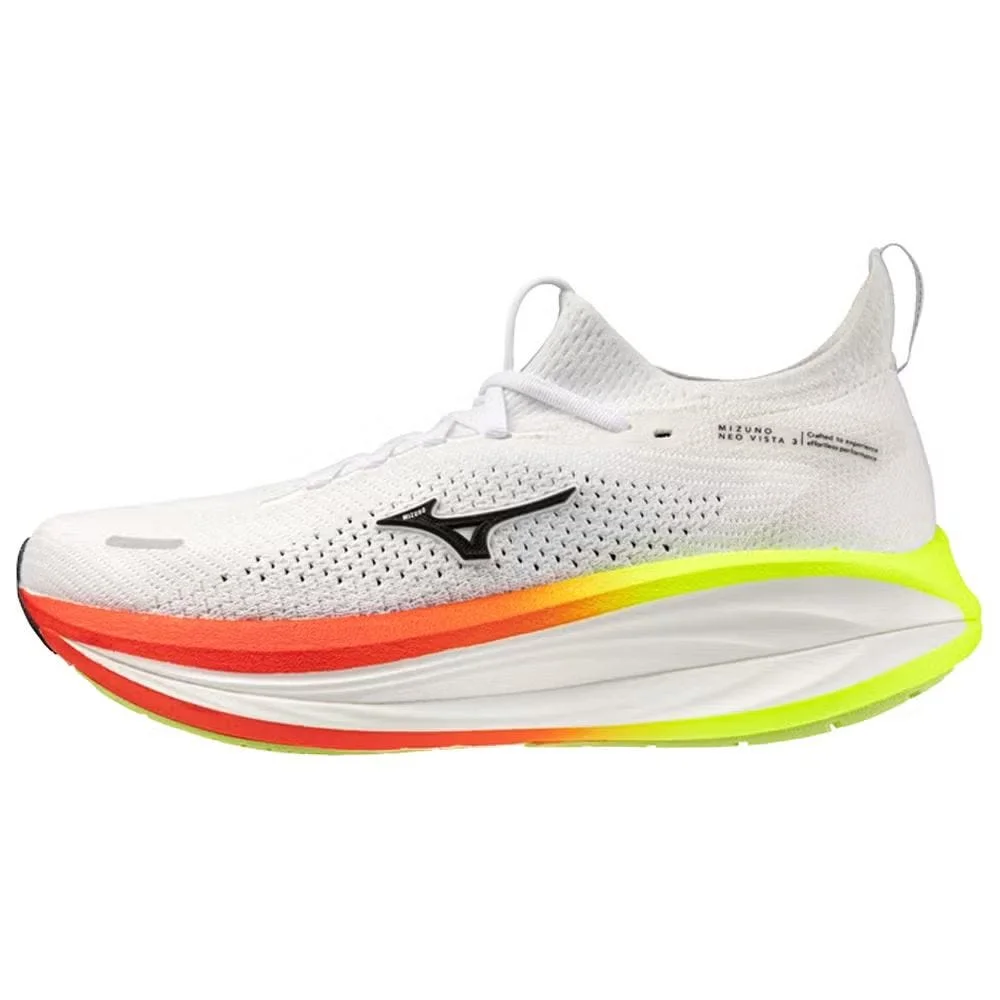
The Mizuno Neo Vista 3 is a stable, plated super trainer built around a glass fiber Wave Plate and a 44.5mm dual-layer foam stack. The plate delivers decent propulsive snap without the rigidity of a carbon shoe, and lateral mobility stays intact even on wobbly surfaces, which isn’t as common in more rigid shoes like this.
The Enerzy Nxt foam on top of an EVA base gives you cushion and energy return in equal measure. Heel strikers, midfoot strikers, and stompers will all feel good in this shoe.
The upper uses a tongueless lacing system that wraps more like a sock than a traditional shoe, creating solid lockdown. However, the forefoot and midfoot run noticeably snug out of the box, and the upper construction is a contributing factor. It does loosen up around the 20-mile mark, but if you have a wider forefoot, size carefully. I normally don’t notice snugness as much in shoes, but I felt it in these.
Overall, it’s a solid trainer that’s built to be a workhorse when you’re chasing a PB, just go in with eyes open on the fit.
Shop Men’s at mizunousa.com Shop Women’s at mizunousa.com
Pros
- Light and propulsive
- Bouncy but stable
Cons
- Some testers found their heels slipping
Key Specs
| Weight | 6.0 oz (M9, unisex) |
| Drop | 3.5 mm |
| Heel Stack Height | 38 mm |
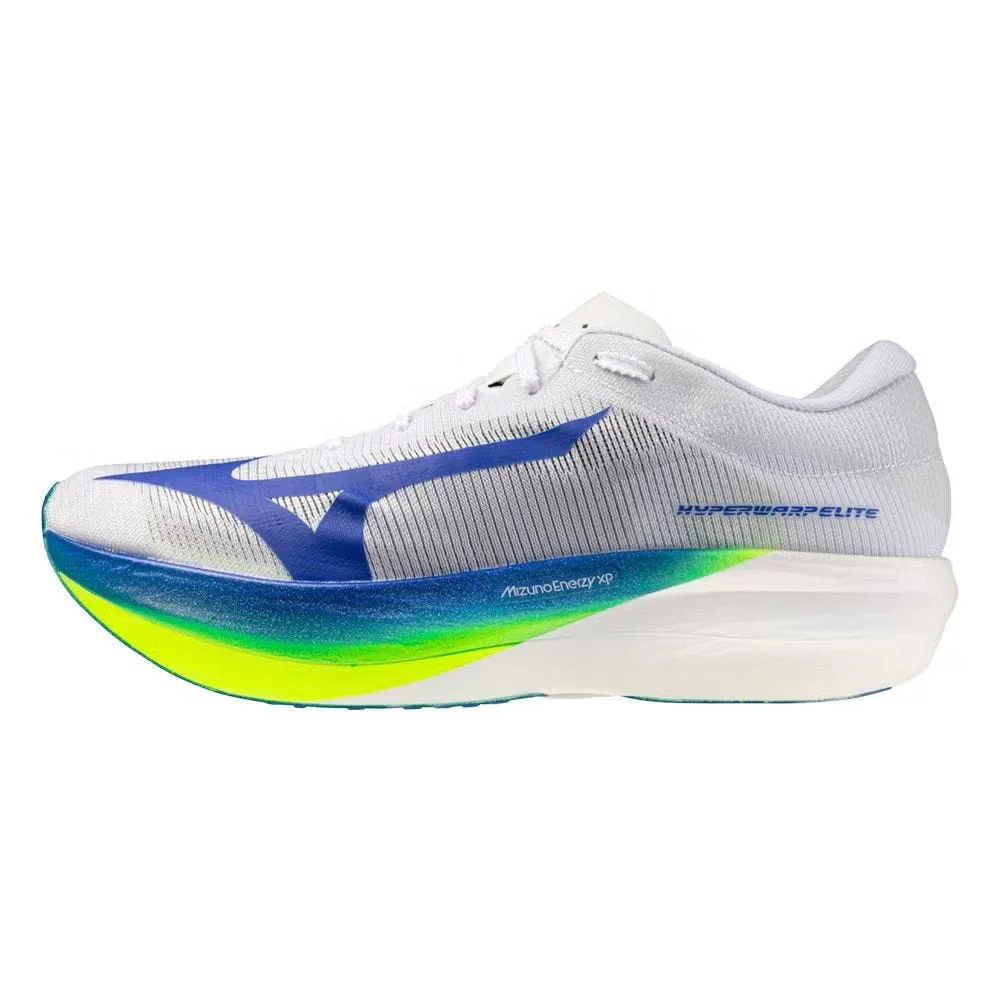
The Elite is a part of a trio of Mizuno’s newest racing shoes, and it strikes the best balance of cushioning, responsiveness, weight, and overall propulsion. They combine Mizuno’s Enerzy XP with their Smooth Speed Plate to give you a little extra stability as it is helping you spring forward in your stride.
These Mizunos are perfect for speedwork,” Alivia Bear, a college track athlete who runs the 1500 and 3000 meters said. “They have a firm bottom with just enough cushion to be well supported, without taking away from the speed they offer. These would certainly be a good pick for a road race as they hold up over several miles without any discomfort, which some other carbon-plated speed shoes struggle with.”
The shoe is really designed to give you maximum energy return at a feather weight. When I laced them up, I was struck by how structured they felt. That plate in the center really helps you stay centered over your foot, allowing you to get that push-off and do its thing. However, both Runner-in-Chief Jeff Dengate and I experienced heel slippage on our first go-around in these, but you can dial in the fit with a tighter lacing tie, and I even went so far as to lace up in a heel lock, which kept my foot in the shoe securely.
If you’re looking for a light, energetic, fast shoe for race day, the Hyperwarp Elite is a strong choice.
Mizuno Wave Rebellion Pro 3
Pros
- Propulsive cushioning
- Lightweight
- Unique sole shape promotes quick transitions
Cons
- The upper caused irritation for some testers
Key Specs
| Weight | 7.9 oz (M9, unisex) |
| Drop | 4 mm |
| Heel Stack Height | 40 mm |
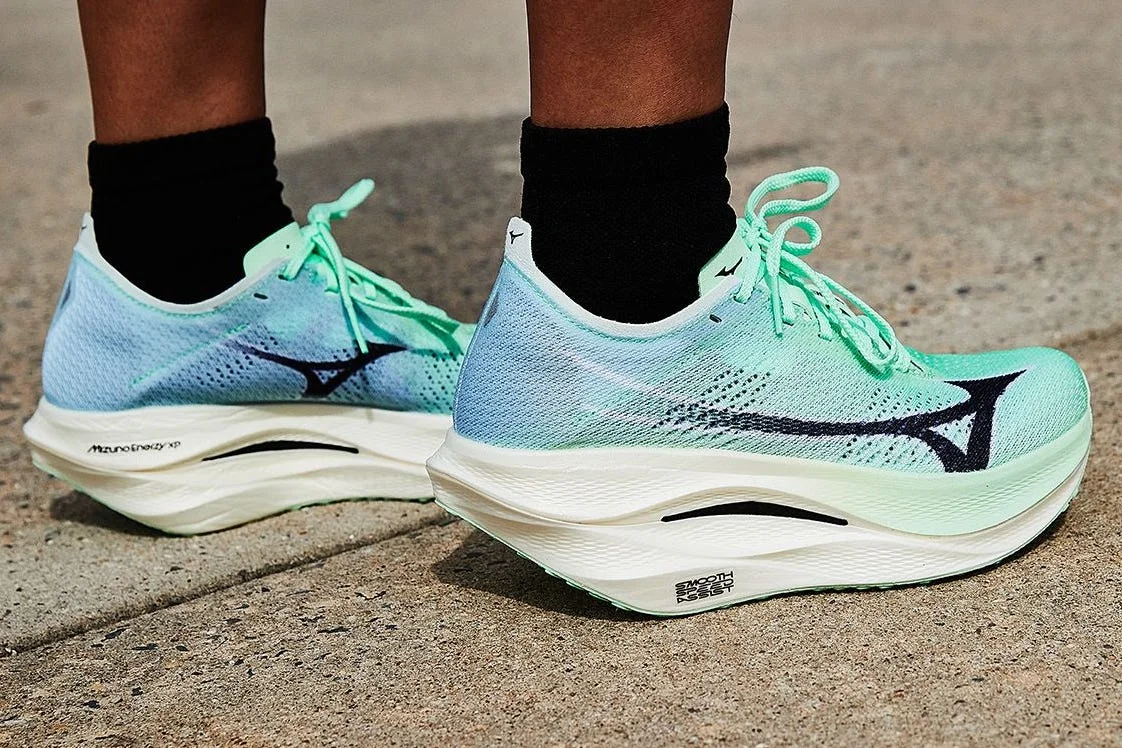
The Wave Rebellion Pro 3 is Mizuno’s racing super shoe, and with its outlandish sole shape and spicy, propulsive ride, it’s a genuine standout in a category full of unique shoes.
Notable tech in the Wave Rebellion Pro 3 includes a new midsole foam called Enerzy XP. This supercritical cushioning is softer and bouncier than the Enerzy Lite and Lite+ foams used in the previous version of the shoe. The sole features pronounced toe spring and a massive heel bevel that encourages midfoot landings and lightning-fast transitions to toe-off. (The sculpted sole is also a sneaky way of keeping the heel stack under the 40mm World Athletics limit for international competition.)
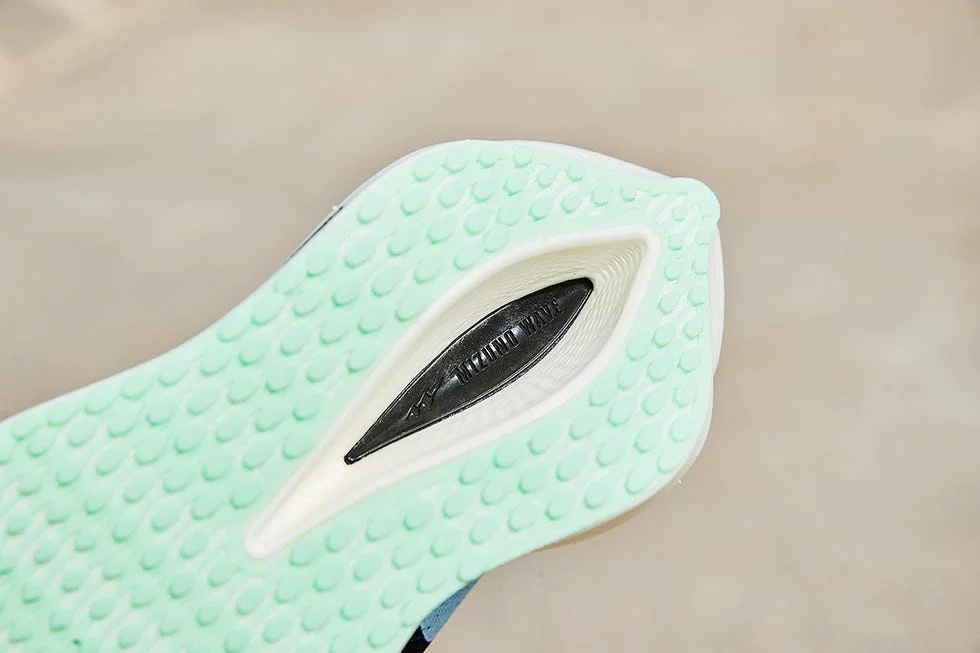
A carbon fiber-infused wave plate stiffens the sole and helps you maximize the energy return from the thick stack of foam. The shoe is topped with a thin mesh upper and has a surprisingly generous rubber outsole for good grip on the pavement.
Among RW testers, the latest Wave Rebellion Pro was a polarizing shoe. Multiple testers reported irritation issues with the minimalist upper (there’s no soft padding around the ankle, so crew socks are essential equipment). The unique sole shape pushed the testers onto their toes as they ran, which worked well for midfoot strikers, though heel strikers felt unstable. Overall, most testers were blown away by the shoe’s propulsive feel: “The thing is a rocket ship,” said one. If you’re looking for some extra oomph for race day, the Wave Rebellion Pro 3 has plenty of it.
Mizuno Wave Inspire 22

Pros
- Stable even on very long runs
- Great daily trainer
- Lower stack height helps with stability
Cons
- Not especially cushioned
- Could have better energy return
Key Specs
| Weight | 10.4 oz (M9), 8.8 oz (W8) |
| Drop | 10 mm |
| Heel Stack Height | 28.5 mm |
Our testers agree that the Mizuno Wave Inspire 22 is a “trusty old faithful” type of shoe. It is a comfortable daily trainer with a stability element that lets you really sink into your ride without risking wild pronation or discomfort.
One weird thing I will note is that this shoe oddly performed differently along gender lines. Female runners tend to appreciate it more than male runners. According to tester feedback, women favored the fit and comfort. Men, on the other hand, worried about its weight and the speed-dampening you could potentially get while running in these.
The shoe has Enerzy Nxt foam and the brand’s supportive Mizuno wave plate, which adds to the structure and stability of the shoe that pronators will find comfortable and easy to run in. You sit deeper in this shoe than you might expect, and that can take a bit of time to get used to, but once you’ve worn them awhile, you’ll wonder how you’ve run without that cradle.
One of our testers, Lauren Woodall, is a huge fan. “The Mizuno Wave Inspire 22 is the best model I’ve ran in,” she said. “Although the shoe is not very lightweight, it is much lighter than previous models and has a smoother glide (not as flat as previous versions). These shoes are stable and great for logging miles.”
Shop Men’s at mizunousa.comShop Women’s at mizunousa.com
Pros
- Max cushion is max comfort
- Ultra grippy thanks to Vibram bottoms
- Great laces
Cons
- A bit heavy
- Style is polarizing
Key Specs
| Weight | 10.1 oz (M9, unisex) |
| Drop | 8 mm |
| Heel Stack Height | 41 mm |
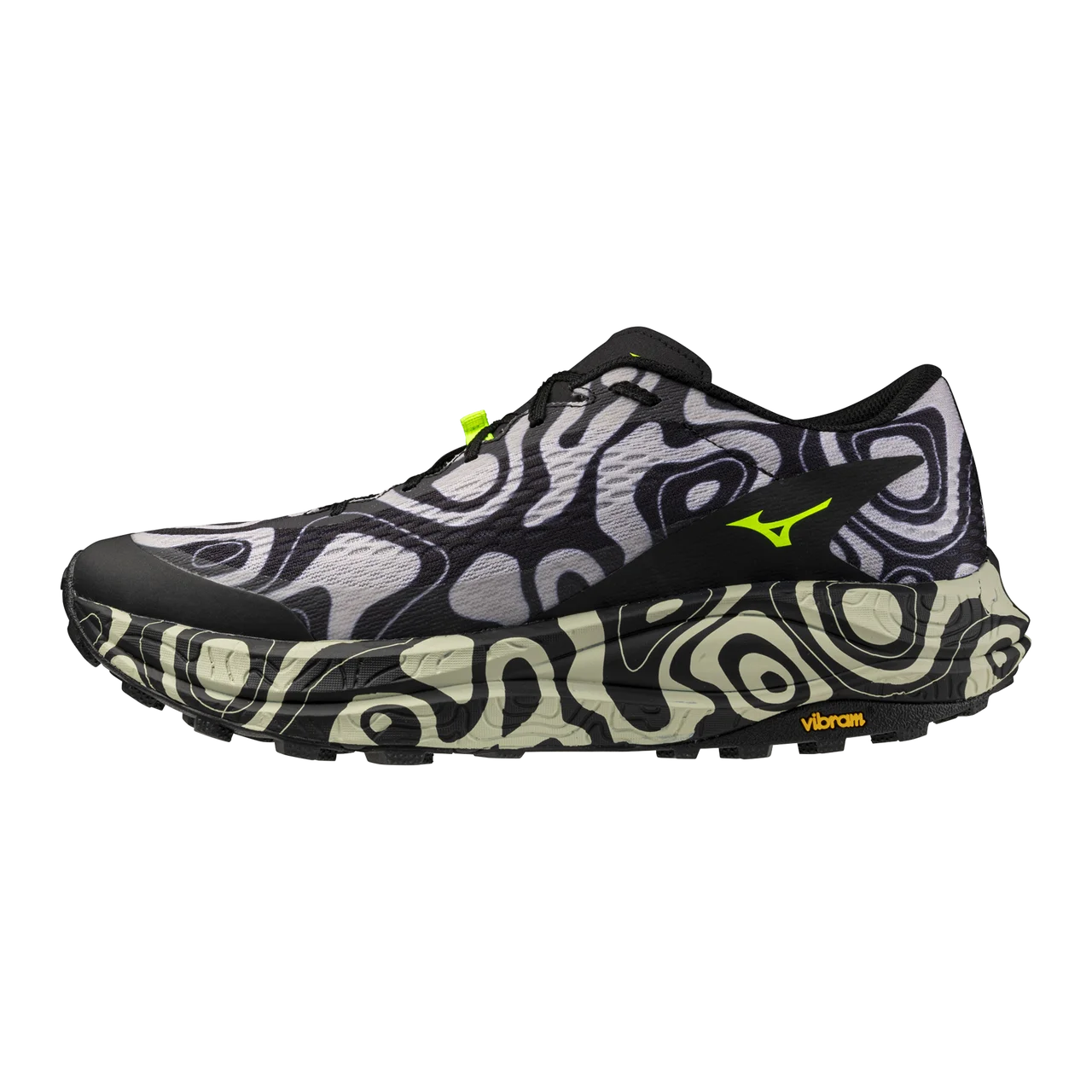
The Neo Accera feels like Mizuno finally decided to take its superfoam story off-road. Built as a max-cushion trail option, it leans heavily on nitrogen-infused Enerzy Nxt foam, giving the ride a soft, resilient bounce that doesn’t bottom out over long miles. There’s a noticeable “lift” to each step, but it’s controlled and not sloppy, which matters once you leave smooth surfaces behind.
Underfoot, the combo of a wide platform, rock plate, and Vibram Megagrip outsole does a lot of quiet work. You get a real bite on loose dirt and technical terrain, but it doesn’t feel overbuilt or clunky—more road-shoe-meets-trail than full mountain tank.
The upper leans modern Mizuno: breathable, structured, and just snug enough to keep you locked in when footing gets weird. Stack height pushes into max territory (around 40mm+), but stability is surprisingly dialed-in.
I have run about 150 miles on trails in these, and they have held up beautifully. I tend to be a bit wild on the trails, and even punishing these across rocky, sharp terrain, the soles are still solid, if not frequently filthy.
The fit does require you to tighten them up a bit at the midfoot, but the laces are serrated, and once you’re locked in, you’re locked in, and that’s huge, because you’re going to want to take these out on some serious terrain.
Mizuno Wave Rider 29
Pros
- Great for long runs and middle-of-the-pack marathoners
- Dense cushioning supports without sinking
Cons
- Can feel a bit clunky at first
Key Specs
| Weight | 9.3 oz (M9), 8.8 oz (W8) |
| Drop | 10 mm |
| Heel Stack Height | 39 mm |
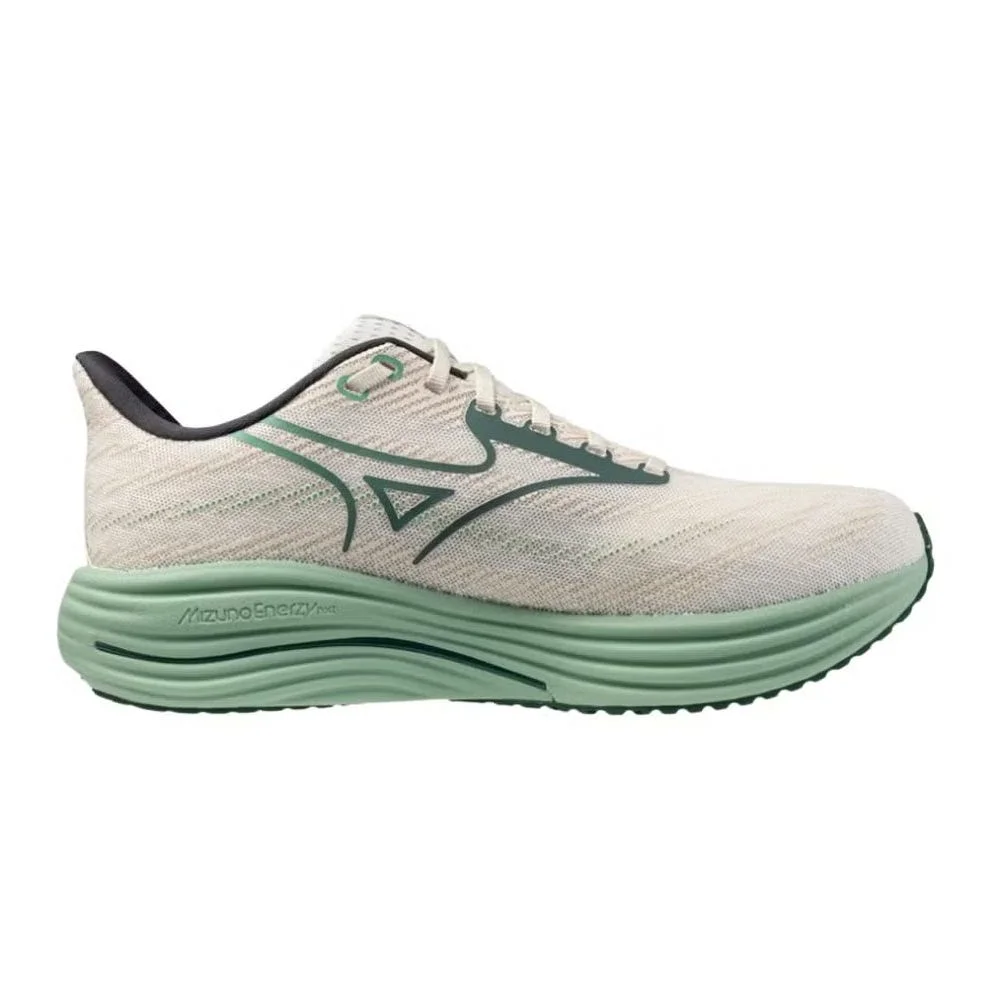
The Mizuno Wave Rider 29 is a spirited daily trainer that nails the fundamentals. It offers moderate cushioning and consistency, delivering a ride that’s smoother and a touch livelier than before, thanks to the energetic, nitrogen-infused Enerzy Nxt foam. You’ll notice the immediate step-in comfort—plush without being mushy—combined with that signature Mizuno snap.
Underfoot, the legendary wave plate is still the beast of burden, helping to spread impact energy and offering a stable, firm feel. This makes the step-to-step motion quick and incredibly steady, especially when you’re just cruising. Basically, it’s a workhorse. It’s perfect for your everyday base miles, those long weekend runs, and the midweek efforts where you just want your shoes to disappear on your feet.
The upper holds your foot securely without feeling overdone, and the heel collar padding has that classic Wave Rider comfort—no rubbing, just a perfect, snug fit.
Where it struggles a little in my opinion: trying to run really fast intervals. The ride is super smooth, but if you’re hoping for a massive, springy burst of energy return, you might find the push-off slightly... restrained.
Bottom line: The Wave Rider is a reliable, slightly updated piece of engineering that knows its main job is to just be there for the long haul. It’s the sturdy Honda Civic of running shoes, and that’s a compliment.
Shop Men’s at mizunousa.com Shop Women’s at mizunousa.com
Everything You Need to Know About Mizuno Running Shoes
If you’ve ever run in a Mizuno and thought something feels different about this shoe, you’re not imagining it. The brand has two signature technologies that set it apart from basically everything else on the wall at your local running store—and understanding them goes a long way toward understanding why certain Mizunos feel the way they do.
Wave Plate
The first is the wave plate. It’s a curved piece of plastic—either thermoplastic polyurethane (TPU) or polyether block amide (PEBA), depending on the model—sandwiched into the midsole between layers of foam. It does three things at once:
- Spreads out impact forces so landings feel smoother.
- Returns energy so your stride doesn’t feel like it’s disappearing into the shoe.
- Helps the midsole hold its shape over time so the ride stays consistent long past the point where a lesser shoe would start to feel dead underfoot.
The plate has been in the Wave Rider since 1997, and it’s the reason longtime Mizuno runners tend to be annoyingly evangelical about the brand.
The newer models push the wave plate further. The Hyperwarp Elite runs a carbon fiber-infused version that’s stiff enough to stabilize a very tall stack of foam without sacrificing propulsion—which is a genuinely hard engineering problem to solve, and Mizuno solves it well.
Enerzy Foam
The second thing to understand is Enerzy, Mizuno’s family of proprietary foams, which has gotten complicated enough that it’s worth breaking down.
The base Enerzy is EVA—the same foundational cushioning material the whole industry uses—but Mizuno engineered it to deliver about 15 percent more energy return than their previous generation foam.
Then in 2024, it introduced Enerzy Nxt in the Neo Vista, and this is where it gets interesting. Nxt is lighter, softer, and more responsive than standard Enerzy. The Neo Vista felt almost buoyant because of it, and Nxt has since made its way into shoes across the lineup, including the Wave Inspire 22.
Here’s where it also gets confusing: there are actually multiple versions of Enerzy Nxt with completely different chemistry, and they don’t ride anything alike.
The first version is TPU run through a supercritical process, which injects tiny gas bubbles evenly throughout the foam. The result is dramatically softer and more energetic than EVA-based Nxt. It’s what gives the Neo Zen 2 and Neo Vista 2 that plush-but-snappy feel that surprised a lot of people who thought they knew what a Mizuno rode like.
The second version uses that same supercritical process but with EVA instead of TPU. It’s not quite as bouncy, but it’s meaningfully softer and lighter than regular EVA, and it’s what gives the Wave Rider 29 and Wave Sky 9 their pillowy, protective quality.
FAQ

Cat Bowen, senior editor of commerce; reviews, is a seasoned runner with more than 20 years of distance running experience, including dozens of marathons, half marathons, and even a few ultra marathons. For over a decade, she has tested parenting, fitness, home, and running gear and written in-depth guides to help readers with their next purchase. Holding multiple advanced degrees and currently studying kinesiology, Cat Bowen brings research-backed insight to all of her guides. Passionate about women’s health and neurodivergent inclusion, she advocates for closing research gaps and helping others—especially AudHD people—find joy in running and fitness.

Amanda Furrer, Editor, Running Reviews, studied journalism at NYU and writing at Emerson College. She has reviewed gear and covered other topics in the running space for almost 10 years. Since 2013, she has consecutively run the Boston Marathon. She also has a master’s degree in gastronomy from Boston University and was formerly a professional baker for two years before hanging up her apron.