The 7 Best Trail Running Shoes for Trails, Gravel, and More
When I lace up for a day on the dirt, I know my trail running shoes are the only thing separating me from the rocks, roots, and miles of pure, unadulterated trail shenanigans. Trail runners, simply put, are just built different. We rack up mud and rocks with our mileage, and that means we expect more from our gear than road runners while simultaneously abusing the hell out of it. Thanks to my location on the East Coast, I get to run on a huge variety of trails, from packed singletrack to rocky technical trails, to muddy backwoods fire roads, to sandy marsh basins. Basically, I hit all the surfaces, so when I’m testing my trail shoes, I’m really digging in, and so is our legion of shoe testers.
This year has been an interesting year for trail running shoes. Thanks to the growing popularity of trail running, there are more coming out than ever before, but because they are so specialized, reviews are generally all over the place. That’s why on this list you will see very specific workouts for every trail running shoe that we recommend. It’s also why I plan on updating it pretty often, and hopefully expanding the list as new shoes come out and we get our wear testers running in them. The major brands we all expect to see on this list are on here: Saucony, Altra, Salomon, and the like, but choosing trail shoes is complicated and personal, so make sure you read through these reviews to determine which are the best trail running shoes for how and where you run.
The Best Trail Running Shoes
- Best Overall: Hoka Speedgoat 7 (Men’s/Women’s)
- Best Value: Salomon Pulsar (Men’s/Women’s)
- Best for Technical Trails: Saucony Peregrine 16 (Men’s/Women’s)
- Best for Mixed Surface: Altra Experience Wild 3 (Men’s/Women’s)
- Best for Singletrack: lululemon Wildfeel (Men’s/Women’s)
How We Tested
For over half a century, Runner’s World has been putting shoes through their paces with staff members and our diverse group of wear testers. These are everyday runners who hit the trailhead and make their shoes work. Every shoe I ran in was put through miles of testing based on its specificity—trail, gravel, technical shoes, et cetera. We evaluate for fit, grip, comfort, responsiveness, weather adaptability, and temperature regulation.
Full Reviews
Pros
- New foam is great for distance
- Fit is dialed-in and easy to manipulate

Cons
- Can get too warm/cold for some

Key Specs
| Weight | 9.6 oz (M) 8.5 oz (W) |
| Lug Depth | 5 mm |
| Drop | 5 mm |
| Stack Height | 36 mm |
| Trail Surface | Sandy/Dusty/Muddy |
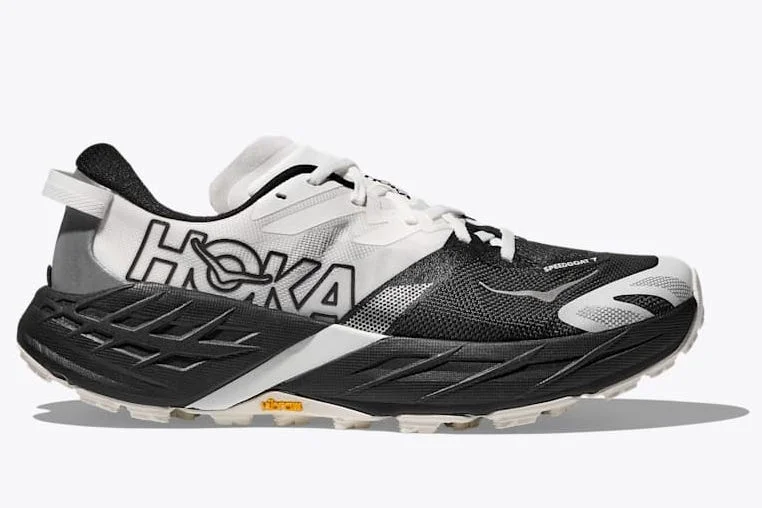
The Hoka Speedgoat 7 makes you forget the issues of the 5 and 6. They’ve nailed the fit this time with updated uppers, new midsole foams, and a smarter construction that finally fixes those nagging complaints about the fit and feel. This model is seriously dialed-in now, making it the perfect shoe for flying over dusty, sandy trails where you need reliable grip without the gunk.
Stack height bumps to 36mm heel, 29mm forefoot using supercritical EVA foam for softer landings and snappier energy return, contrasting to the 6’s firmer feel. A winged heel counter and refined jacquard mesh upper with the addition of a gaiter mean these hug securely without hot spots or blisters, ditching the predecessor’s issues.
Vibram Megagrip outsole upgrades to 5mm lugs with deeper siping and wider spacing; they shed sandy dust and rail trail grit effortlessly while biting hardpack and mild roots. No rock plate keeps it light and easy.
Testers hail the 7’s plush stability on dusty rails—lugs channel sand away for consistent traction; new foam eats vibration from chatter without mush. Uppers breathe during hot days and lock miles better than the 6 ever did.
Wear-tester Diane Grim did note they run a bit smaller, so sizing up is recommended for many, especially those hitting long distances, but she loved the improved fit over the 6, and says that “the lug pattern placement was awesome in gripping (trails were snow-covered and snowmobile groomed),” and she “loved how the lugs continue under the toes for pushing off grip.”
“The Speedgoat 7 engulfs your foot, giving you the security and confidence to get the job done,” she says.
The shoe is a great upgrade for singletrack/rail trail runners craving reliability on flowing, gritty paths from our breakdown. It’s less for pure rock slams, but dusty cruisers never felt this good.
Shop Men’s at hoka.comShop Women’s at hoka.com See Full Review
Pros
- Nimble and responsive
- Cushioning comfortable but doesn’t fatigue legs
- Great lacing system
Cons
- Weaker on uphill climbs
- Not good on sandy/dusty track
Key Specs
| Weight | 9.8 oz (M) 8.5 oz (W) |
| Lug Depth | 4 mm |
| Drop | 6 mm |
| Stack Height | 29 mm |
| Trail Surface | Singletrack/Rail Trail |
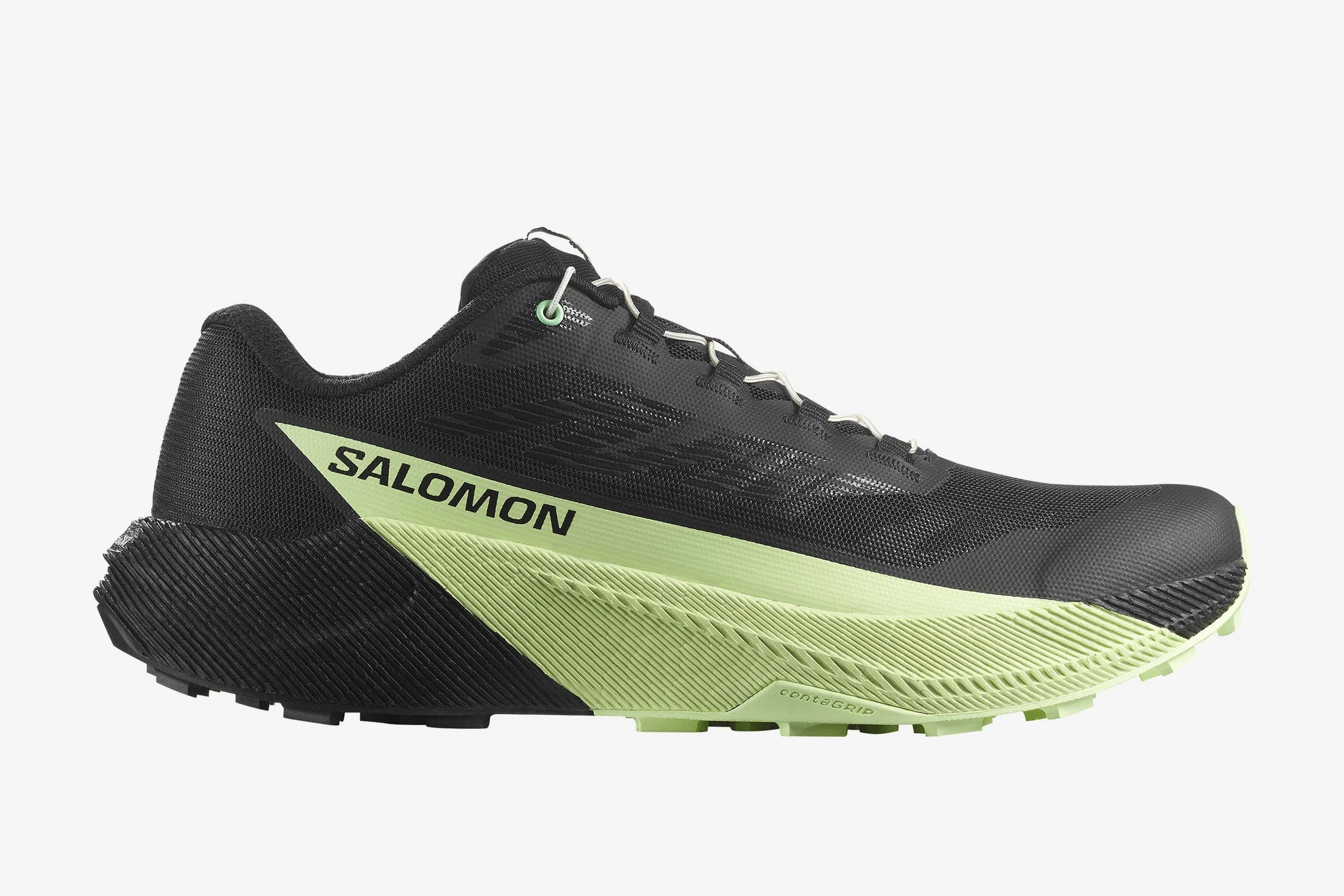
Salomon Pulsar Trail is a win for us for so many reasons, but the entry point of about $140 is hard to beat. It’s built for runners transitioning from roads or tackling milder trails, blending speed with everyday durability.
This shoe rocks a 29mm heel stack and 23mm forefoot (6mm drop), delivering moderate cushion via TPU-based optiFoam². An Energy Blade TPU insert adds responsive pop and stability without bulk, making strides feel snappy yet protected.
The SensiFit upper with Quicklace locks your foot into the shoe—heel to toe—while breathable mesh keeps swamp feet at bay. The All Terrain Contagrip outsole features 4mm lugs for solid grip on dry dirt, gravel, and roots; it sheds mud decently but slips more on wet rocks.
No rock plate keeps weight low at 9.8 ounces, ideal for non-technical runs.
Wear-tester Rebecca Heflin praises the shoe’s comfort, stability, and versatility, wearing it from road to trail.
“The firmness of the sneaker keeps my foot more in place and safe,” she says. “They took a run or two to break in but then were much more flexible. You could ‘feel’ the ground and what you were running on, but still felt comfortable.” This has largely been my experience as well. For a shoe with some heft, it’s nimble and easy to run in.
The Pulsar Trail has a stable ride; it’s plush underfoot and has Salomon’s signature snug fit. Road-to-trail types will love the smooth pavement transitions. It’s perfect for gravel or mixed surfaces from our earlier breakdown.
Shop Men’s on Salomon.comShop Women’s on Salomon.com
Pros
- Great grip for super technical trails
- Good on hills
- Comfortable for high mileage
Cons
- Mesh upper lets dust in
- Some runners find the heel too narrow
Key Specs
| Weight | 9.5 oz (M) 8.4 oz (W) |
| Lug Depth | 4 mm |
| Drop | 4 mm |
| Stack Height | 32 mm |
| Trail Surface | Technical |
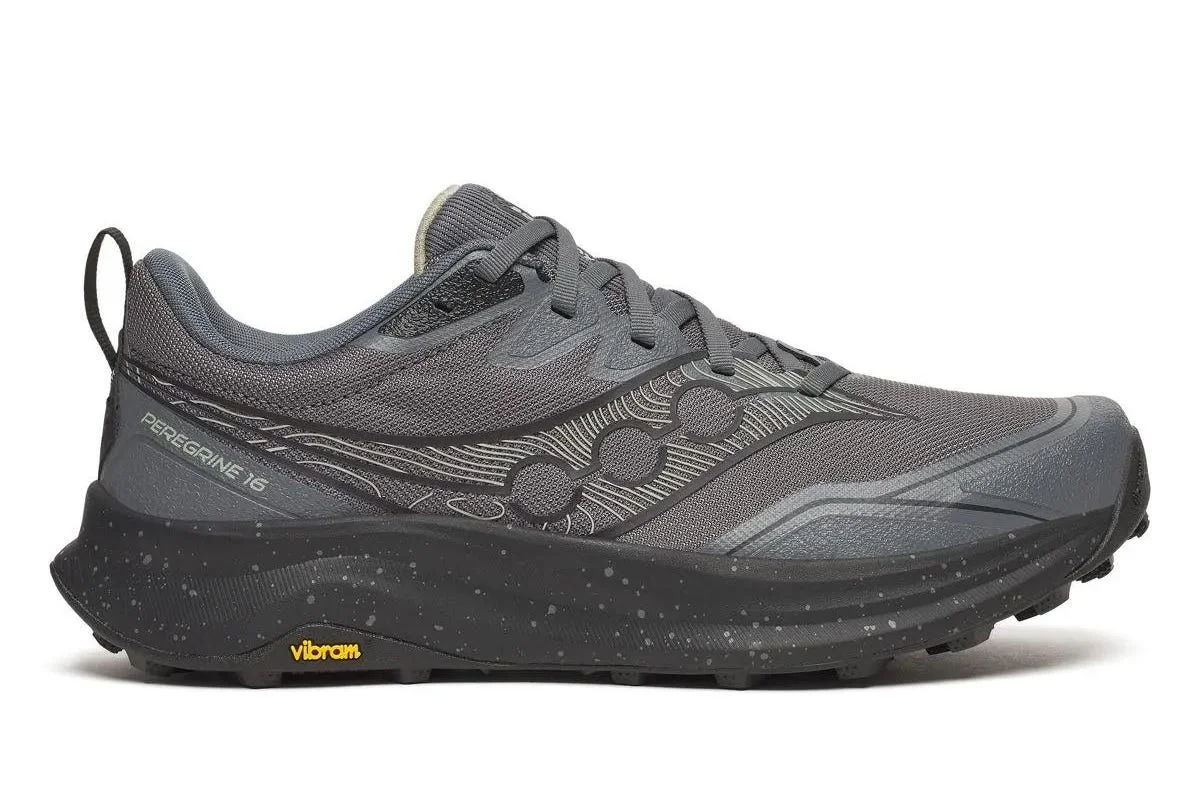
Saucony Peregrine 16 delivers aggressive trail performance with major upgrades, and a less aggressive drop for a closer-to-the-ground feel. It’s our top pick for technical runners hitting rocks, roots, and mud, thanks to the fact that it’s now softer and grippier than ever.
Stack height hits 32mm heel and 28mm forefoot, powered by more Pwrrun foam for smoother cushioning on long hauls. A Pwrrun+ sockliner is made to add another layer of cushioning and, gross enough, smell issues. But I’ve noticed it also helps protect your feet from creepy crawlies and mud incursion. (Creepy crawlies being the most important by a mile.)
The upper has a snug heel and midfoot with a wider forefoot for toe splay, but not too much that it feels unstable or gives you “squishy toes.” They’re using durable, breathable mesh plus enhanced toe and underfoot protection. A Vibram Megagrip outsole with 4mm lugs grips hard on wet rocks, loose dirt, snow, and roots. The traction is significantly improved over prior models despite shallower depth.
A rock guard plate shields from sharp jabs. And contrary to some other plated trail shoes, it doesn’t feel like you’re running on a cement brick. It’s light and protective without compromising foot motion.
Wear-tester Diane Grim says of the Peregrine 16s, “I LOVE this shoe! Right out of the box, amazing! Lightweight, super comfortable, deep responsive vibram lugs.” She added that though the forefoot was stiff, the shoe eventually conformed to her foot after breaking it in. Lastly, she noted the rock plate and cushioning protected her feet from jabs as she ran over sharp rocks.
The Peregrine 16 fits technical trail types perfectly from our breakdown: deep lugs and armor for rocky descents. The shoe is versatile for mixed or singletrack, too.
Shop Men’s at saucony.comShop Women’s at saucony.com
Altra
Experience Wild 3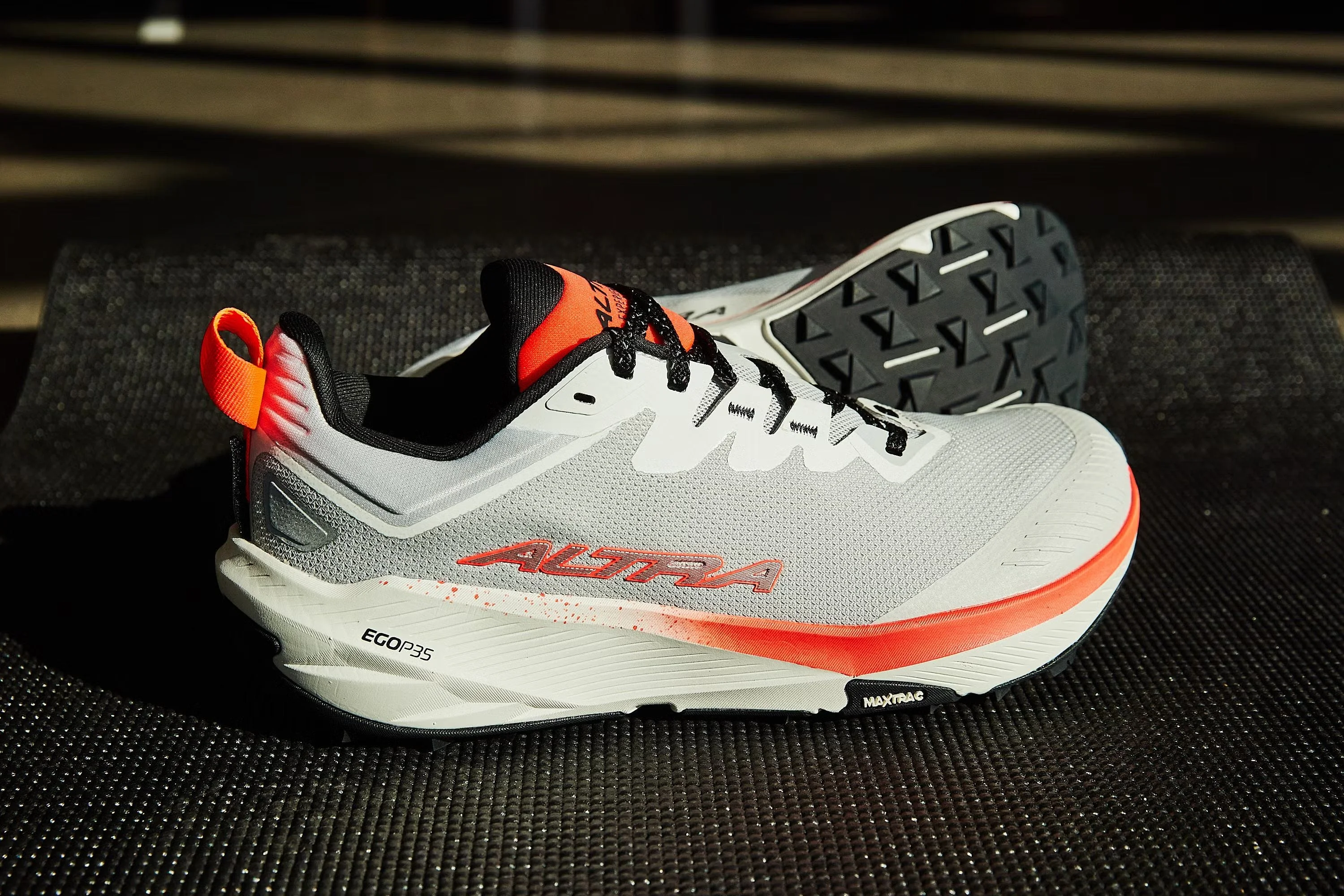
Pros
- Wide toebox is very comfortable
- Great lacing system
- Secure feel
Cons
- Too wide for some
- Some runners found to have excessive heel slip
Key Specs
| Weight | 11.4 oz (M) 9.9 oz (W) |
| Lug Depth | 3.5 mm |
| Drop | 4 mm |
| Stack Height | 32 mm |
| Trail Surface | Mixed Surface |
Altra Experience Wild 3 is a fave for road-to-trail trekkers, making mixed surfaces like macadam, packed gravel, and light dirt paths seem easy. Its low-drop design and wide toebox allow for natural strides on urban-trail mashups without the clunk of pure trail beasts.
Stack height clocks 32mm with cushioned but snappy Ego P35 foam for responsive cushion that feels efficient, not mushy. An extremely subtle rocker aids smooth transitions from asphalt to gravel chatter.
The engineered mesh upper fits securely yet roomy up front, with durable overlays and gaiter traps to block debris on chip seal or cracked pavement trails. MaxTrac outsole packs 4mm lugs that grip macadam’s rough texture, dry gravel, and hardpack without slipping, shedding light mud pretty decently. No rock plate keeps it nimble, prioritizing speed over heavy armor.
Wear-tester John Mikovits raves about the Experience Wild 3, saying, “I loved the way the shoe slipped onto my foot and laced up. The upper felt plenty roomy like many within the brand but also felt secure in the midfoot and heel.
“The midfoot felt secure which kept me in place when pivoting, turning, and both up/downhills,” he added. “I felt secure for the whole ride and really did not notice any feeling of lack of stability or [the shoe being] too loose.”
Daily training, tempo efforts, or 10 to 20 mile mixed runs thrive here; it’s forgiving for road runners dipping into trails. Though less ideal for steep tech or deep slop, it crushes with efficiency and comfort on crumbly-heavy routes that blend pavement and dirt.
Shop Men’s at altrarunning.comShop Women’s at altrarunning.com
Pros
- Nimble
- Great on declines
- Easy lacing system
Cons
- Not for super muddy or tech trails
Key Specs
| Weight | 11.6 oz (M) 10 oz (W) |
| Lug Depth | 4 mm |
| Drop | 7.5 mm |
| Stack Height | 29 mm |
| Trail Surface | Singletrack |
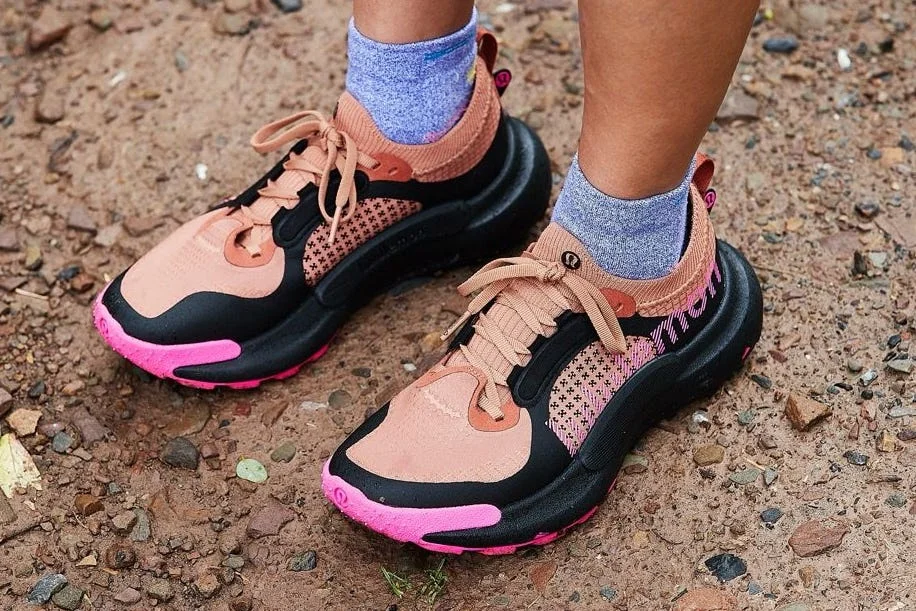
Lululemon Wildfeel is a truly versatile trail shoe that’s made for runners who live on flowing singletrack and smooth rail trails. It combines plush comfort and reliable grip for those easy, sometimes muddy, sometimes sandy miles where the path can be unpredictable, and staying nimble is key.
The midsole has dual-density supercritical foam with a cushier heel for shock absorption, and a firmer forefoot for responsive toe-off. This setup helps with stability on undulating singletrack and groomed rail trails.
The sock-like Nulu-lined upper with Lycra-nylon hugs your ankle, acting sort of as a gaiter to block debris on dusty, buggy singletrack. The high-abrasion outsole has 4mm multi-directional lugs that bite reliably on dry dirt, roots, and hardpack rail paths, handling light mud and uneven sections without making you feel wibbly-wobbly.
Tester Ryan Werling loves the Wildfeel, saying, “I looked forward to my runs in this shoe and I felt very confident on any surface (declines/inclines). I have tested some very good trail shoes in this program but the Wildfeel is number one so far.” He did note a less-breathable upper, but here’s the thing: that sealed upper makes it perfect for handling super gross surfaces and sandy marsh trails.
The Wildfeel is less suited for super-technical steeps or deep slop. However, it nails versatile, fun performance on singletrack/rail trail.
Shop Men’s at lululemon.comShop Women’s at lululemon.com

Pros
- Tons of grip
- Breathable
- Great fit
Cons
- Bit of an odd heel outsole
Key Specs
| Weight | 11.9 0z (M), 9.6 oz (W) |
| Drop | 4 mm |
| Lug Depth | 4 mm |
| Stack Height | 37 mm |
| Trail Surface | Mud, singletrack, fire roads, grass hills |
Nike’s ACG (All Conditions Gear) line has leveled up lately, and the Zegama Trail is where I’m the most impressed. When the ground turns to oatmeal and the grass is banana-peel slippery, this is the shoe I reach for. The Vibram outsole and aggressive, opposed checkmark lugs dig into packed dirt, wet rock, and sloppy singletrack without ever clogging up. They stay clean and grippy so you can point your nose downhill and trust it.
The revised last is the real upgrade over the old model: it cups the outer rim of your foot so completely that it almost reads as a stability shoe underfoot. A stitched finger loop at the heel makes them easy to yank on, and they breathe well without feeling drafty. My one nitpick is a split in the lug pattern near the heel you can feel on steep descents. They’re a touch heavier than past versions, but I never noticed once moving. As tester Chris Fisher put it, “a solid comfortable trail shoe that I have enjoyed.”
Shop Men’s at nike.com | Shop Women’s at nike.com
Pros
- Max anti-slip on gravel
- So roomy!
- Light and breezy
Cons
- Some may find heel too roomy
Key Specs
| Weight | 8.4 oz (M) 8.2 oz (W) |
| Lug Depth | 2 mm |
| Drop | 6 mm |
| Stack Height | 28 mm |
| Trail Surface | Gravel |
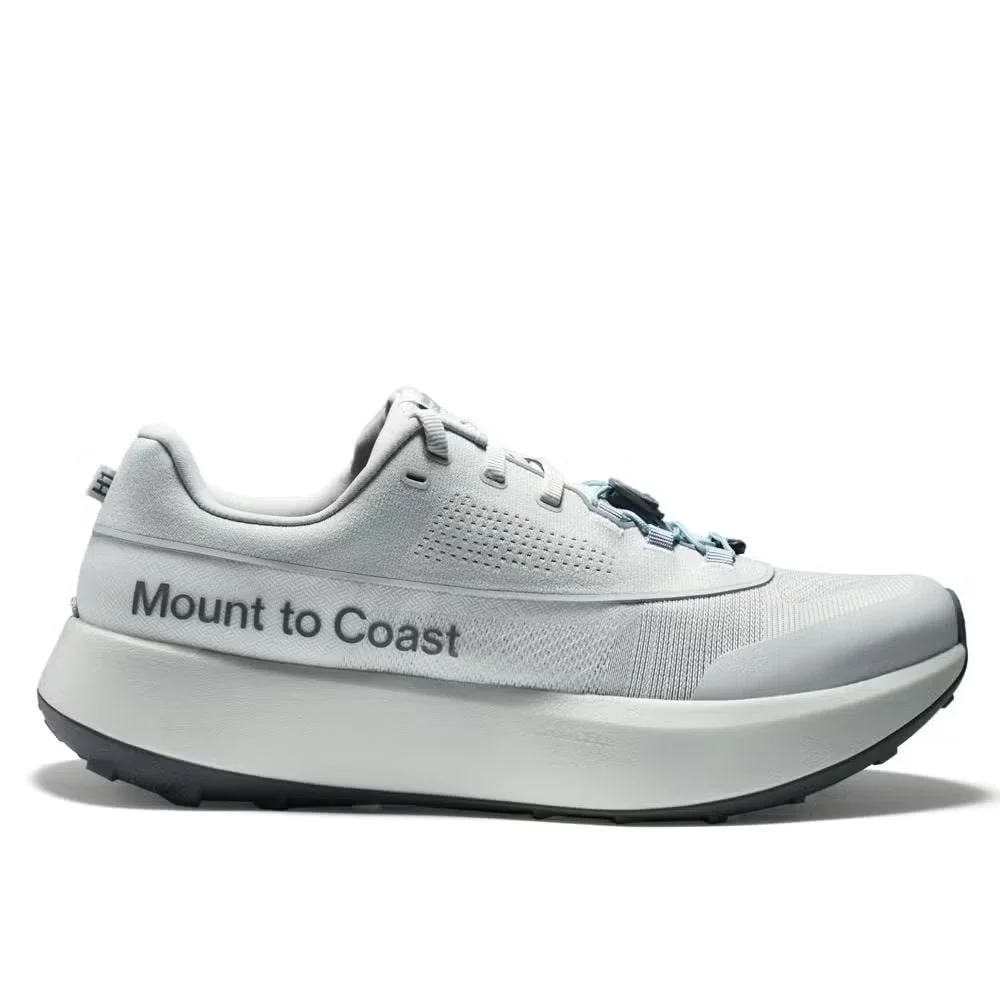
The Mount To Coast H1 absolutely shreds as a gravel specialist, engineered for lightning-fast fire roads and packed paths where loose stones and chatter try to throw you off your game. Its 6mm drop and minimalist build turn rugged gravel into a smooth, efficient run zone that’s ditching the bulk of tech-trail shoes.
Stack height measures 28mm heel, 22mm forefoot, and has a firm, responsive CircleCell foam midsole that delivers sharp ground feel and peppy energy return on washboard gravel. And a wide toebox is a big bonus for folks who love brands like Altra and Topo.
The featherweight mesh upper with minimal overlays breathes easy and fends off dust kicks. Custom sticky rubber outsole rocks 2mm-shallow, tightly patterned lugs that bite small gravel relentlessly while spacing sheds rocks and dirt fast—no clogging on dry, fast-packed surfaces.
The shoe weighs a scant 7.5 ounces for endless miles.
Testers love its razor-sharp handling on gravel—lugs lock in loose stones for zero slip, moderate drop eases calf strain on long efforts, low stack eats vibrations from rutted fire roads, and wide base shrugs off camber without wobble.
“The fit and comfort of the Mount To Coast is superb,” says tester Liz Fones. “The length felt true-to-size, and the width was generally well-balanced, offering plenty of room without feeling sloppy.”
The H1 is a quintessential gravel shoe: light, grippy, and built for speed on packed dirt and crunchy paths.
On
Cloudultra Pro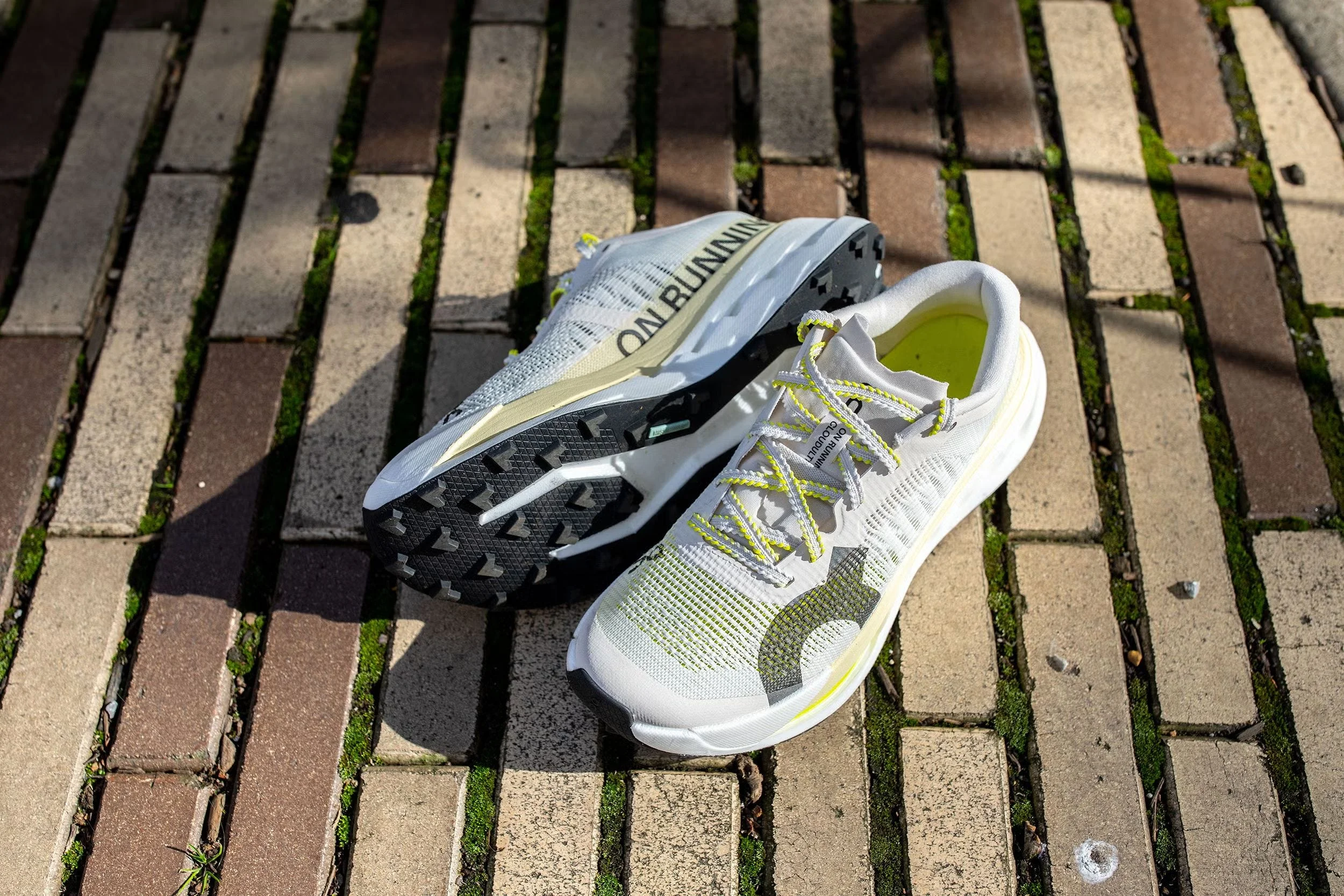
Pros
- Comfy even on the longest runs
- Grips multiple surfaces
- Ultra breathable
Cons
- Not good with super dusty or sandy trails
Key Specs
| Weight | 9.2 oz (M) 7.8 oz (W) |
| Lug Depth | 3.5 mm |
| Drop | 6 mm |
| Stack Height | 39 mm |
| Trail Surface | Technical, mixed surface |
I am one of those sick, sick puppies who thinks that strapping on a pack and running 100 miles through the woods is a good time, and the On Cloudultra Pros are my new favorite shoe to do that in. The On Cloudultra Pro dominates trail ultramarathons, built for 50K to 100-mile suffer-fests where relentless cushioning and durability outlast crumbling legs on technical singletrack and endless climbs.
Its beastly but comfy upper and upgraded foams turn multiday epics into (slightly) less painful slogs. Unfortunately, you do pay for the privilege as this is by far the priciest shoe on the list.
Stack height soars to 39mm heel, 35mm forefoot (4mm drop) powered by CloudTec Phase midsole pods—hollow chambers that compress for plush landings then rebound explosively for forward drive—paired with Helion HF Hyperfoam that stays springy across 200+ miles of abuse without packing out.
The Swiss-engineered upper fuses a thermo-mapped, one-piece Speedboard chassis for rigidity and energy return, with reinforced Speed-Lacing and gaiter integration blocking debris on rooty, dusty ultras. Missiongrip outsole deploys 2.5mm lugs with cleat-like clusters that grip wet slabs, mud, and talus, while self-cleaning aggressively. The shoe is tank-like yet responsive.
I am crushing my 100-miler training, and I will be praising nonstop the joy of CloudTec comfort. I have no hot spots after my eight-hour run last week, thanks to the HF Hyperfoam’s fatigue-free bounce on rocky tech. I was stable through the most miles I’ve run this calendar year, and the foundation feels protective for heavy runners hauling packs. It’s built for comfort and brutality, and I plan on maxing both out.
What to Consider
Trail Shoe Components
Trail shoes consist of four main parts: uppers, midsoles, outsoles, and rock plates. These components work together for protection, cushioning, traction, and durability on everything from gravel to gnarly singletrack.
Uppers form the breathable shell around your foot. They feature tough mesh with rubber overlays at the toes and heels to fend off rocks, roots, and trail debris while staying ventilated.
Midsoles provide the cushioning core, typically using EVA foam or advanced compounds like TPU or supercritical foams. They absorb shock from uneven ground and return energy to keep your legs fresh over long miles.
Outsoles are the grippy foundation with lugs made from sticky rubber compounds such as Vibram Megagrip. Lug depth and pattern vary by terrain: Multidirectional for mud, clustered for rocks, all designed to shed debris and last through abrasion.
Rock plates sit between midsole and outsole as thin shields of plastic, aluminum, or carbon fiber. They protect against sharp stones and roots without adding much weight or stifling flexibility. With max cushioned trail shoes, they’re not necessarily a must-have anymore, though many runners still prefer them. They don’t exist in every trail shoe, and in the case where a trail shoe may have a carbon plate, it can add protection and stability.
Trail Shoe Types
Trail shoes specialize by terrain to optimize weight, grip, and protection. Choosing the right type means less slip, less fatigue, and more fun no matter the surface.
Type | Key Features | Best Terrain |
Gravel | Shallow lugs under 3 mm, lightweight uppers, road-like stability | Packed gravel paths, fire roads, smooth dirt |
Road-to-Trail | Small center lugs with aggressive perimeter, firm midsoles | Pavement blending into moderate gravel or dirt |
Technical Trail | Deep 4mm+ lugs, thick protective uppers, rock plates standard | Rocky, root-filled trails and steep technical descents |
Singletrack/Rail Trail | Balanced 3-4mm lugs, moderate toe/heel bumpers | Flowy singletrack or groomed rail trails |
Sandy Trail | Wide-spaced lugs for self-cleaning, extra drainage ports, closer sealed upper to prevent sand intrusion. | Beaches, sand dunes, loose coastal runs, marsh trails |
Mixed Surface | Versatile 3-4mm lugs, all-around protection | Roads mixed with gravel and light singletrack |
Drop and Stack Height
Drop refers to the heel-to-toe height difference, ranging from 0mm (zero drop for natural foot positioning) to 15mm (higher for calf relief on roads or long efforts). Low drops (0 to 4mm) build foot strength but demand adaptation; 8 to 12mm suits most runners.
Stack height measures total midsole thickness underfoot, outsole, and footbed—usually 20 to 35mm at the heel and slightly less at the forefoot. Max stack (30mm+) offers plush protection for heavy runners or rocky miles; low stack (under 25mm) delivers precise ground feel for agile, technical runs.
Weather Reinforcements
Gore-Tex and similar membranes laminate into uppers to block liquid water and wind while venting sweat vapor for a little bit of breathability. They shine in rain, snow, or mud, often paired with mesh drainage ports and quick-lace systems to handle stream crossings without sogginess.
Cleaning Trail Shoes
I’ve scrubbed enough mud from lugs to write a whole damn article on it, because nothing tanks your trail high like dried clumps firing off mid-stride. Hit them with the hose right after runs to loosen crud and clean them off. Use an old natural bristle brush and mild soap to excavate lug crevices, then stuff with newspaper or paper towels to speed drying. Never toss in the washer; it wrecks glue and mesh. Insider hack: let the muddiest shoes that you can’t get to right away dry out and then bang off the mud. It works, I promise.
Trail Running Shoe Q&A

Become a Stronger Runner With These Exclusive Training Programs









Cat Bowen, senior editor of commerce; reviews, is a seasoned runner with more than 20 years of distance running experience, including dozens of marathons, half marathons, and even a few ultra marathons. For over a decade, she has tested parenting, fitness, home, and running gear and written in-depth guides to help readers with their next purchase. Holding multiple advanced degrees and currently studying kinesiology, Cat Bowen brings research-backed insight to all of her guides. Passionate about women’s health and neurodivergent inclusion, she advocates for closing research gaps and helping others—especially AudHD people—find joy in running and fitness.

Amanda Furrer, Editor, Running Reviews, studied journalism at NYU and writing at Emerson College. She has reviewed gear and covered other topics in the running space for almost 10 years. Since 2013, she has consecutively run the Boston Marathon. She also has a master’s degree in gastronomy from Boston University and was formerly a professional baker for two years before hanging up her apron.