The 11 Most Cushioned Running Shoes You Can Buy Right Now
In 1975, Brooks introduced an EVA (ethylene vinyl acetate) midsole in its Villanova shoe. Pre-EVA, comfort was second to practicality and performance. Rigid, tacky rubber was the norm in running shoes. EVA became the industry standard for its lightweight and shock absorption capabilities. Fast forward to today, and we’ve gone through a super foam renaissance where midsole foams are lighter, higher, and bouncier.
In the past 10 years, EVA has phased out in favor of supercritical foams, nitrogen-infused EVA, and PEBA foam. Stack heights have also gone above and beyond the World Athletics 40mm guideline, making some super trainers “illegal” for competition—but darn fun to train in.
We’ve gone from lightweight, daily trainers, stability shoes, and cushioned styles, to all kinds of cushioned running shoes which are specific to racing, everyday training, or recovery miles. Knowing foams only reveals a partial picture in finding your perfect cushioned pair. Thanks to our staff and team of run testers of various running levels, paces, and weekly mileage, we developed a list to help you find the best cushioned shoe that works for you and the types of workouts for your training plan.
The Best Cushioned Running Shoes Preview
- Best Overall: Brooks Glycerin 23 (Men’s/Women’s)
- Best Value: New Balance Ellipse v1(Men’s/Women’s)
- Most Responsive: Asics Superblast 3 (unisex)
- Best for Stability: Nike Structure Plus (Men’s/Women’s)
- Best Low Drop: Altra Fwd Via 2 (Men’s/Women’s)
- Best for Long Runs: Nike Vomero 18 (Men’s/Women’s)
How We Selected
For 60 years, Runner’s World has been one of the premier publications for runners, including walkers, joggers, sprinters, trail runners, marathoners, and more. Recommending high-performance running gear has long been a core part of our mission. Our gear team tests the latest and greatest running equipment, from running shoes and clothes to treadmills and fitness trackers.
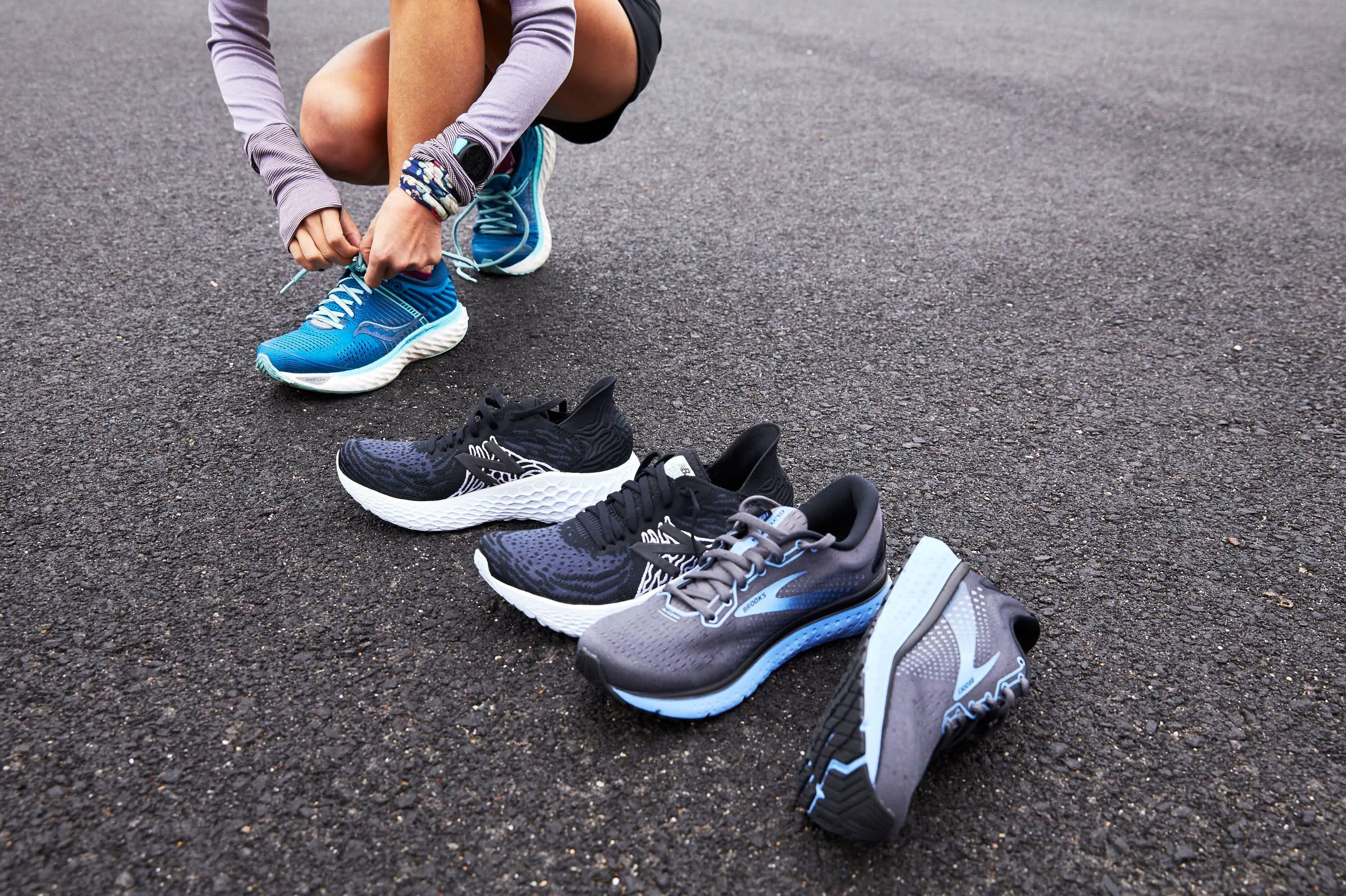
As the running reviews editor and a lifelong runner, I selected these shoes based on my personal expertise and feedback from our editors and wear-test team. We solicit feedback from our shoe testing program, which curates impressions from more than 300 local runners from all different backgrounds to make sure we get a wide variety of perspectives.
These shoes earned high praise for their excellent padding and strong running performance wherever we wore them, be it road or trail, workouts or races, marathons or short tempo runs.
Full Reviews
Brooks Glycerin 23
Pros
- Added cushioning in the forefoot provides balanced, supportive ride
- DNA Tuned foam is responsive and durable

Cons
- A touch heavy compared to standard daily trainers

Key Specs
| Weight | 10.6 oz (M), 8.7 oz (W) |
| Drop | 8 mm |
| Heel Stack | 38 mm |
| Forefoot Stack | 30 mm |
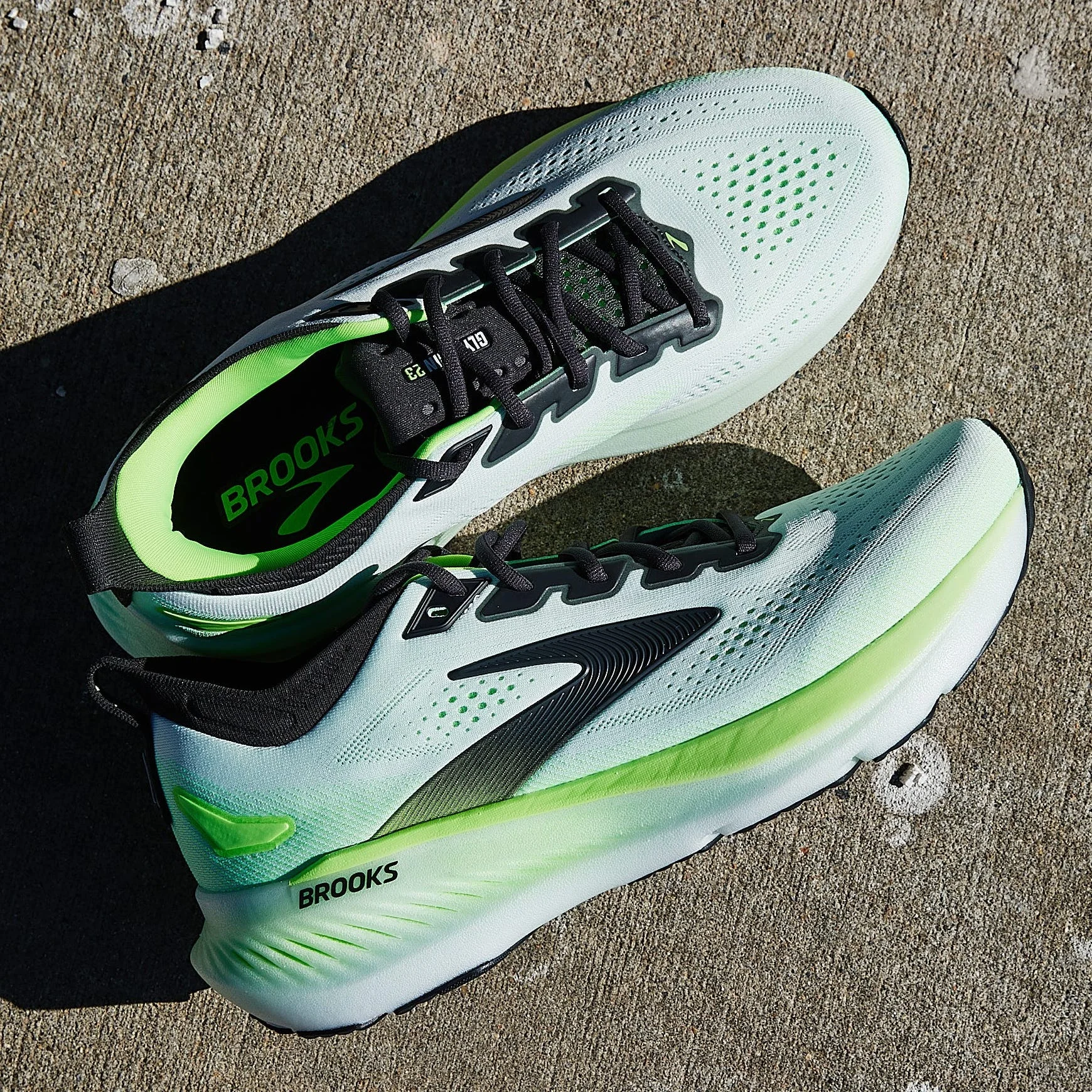
Formerly Brooks’s most cushioned trainer (that mantle now belongs to the Glycerin Max) the Glycerin 23 is one of our favorite daily trainers. It’s just a smidge heavier than the Ghost 17 and is upgraded with light and responsive DNA Tuned foam. The shoe is a personal favorite of mine for long runs on our valley’s hilly back roads.
DNA Tuned has dual-cell technology, which means small foam cells in the forefoot and larger cells in the heel. This technology softens landings and promotes a responsive ride. The Glycerin 23 has 2mm more nitrogen-infused DNA Tuned cushioning in the forefoot for a more balanced platform. Compared to the Ghost, the shoe also has a wider base to provide a stable ride.
For even more stability, you can try the Glycerin GTS 23, which has Brooks’s guide rails system to help with overpronation.
Buy Men’s at brooksrunning.com | Buy Women’s at brooksrunning.com
Pros
- Bouncy ride
- Plush feel
- Available in wider widths
Cons
- Bulky and heavy
- Not intended for speedwork
| Weight | 9.6 oz (M), 7.7 oz (W) |
| Drop | 8 mm |
| Heel Height | 38 mm |
| Forefoot Height | 30 mm |
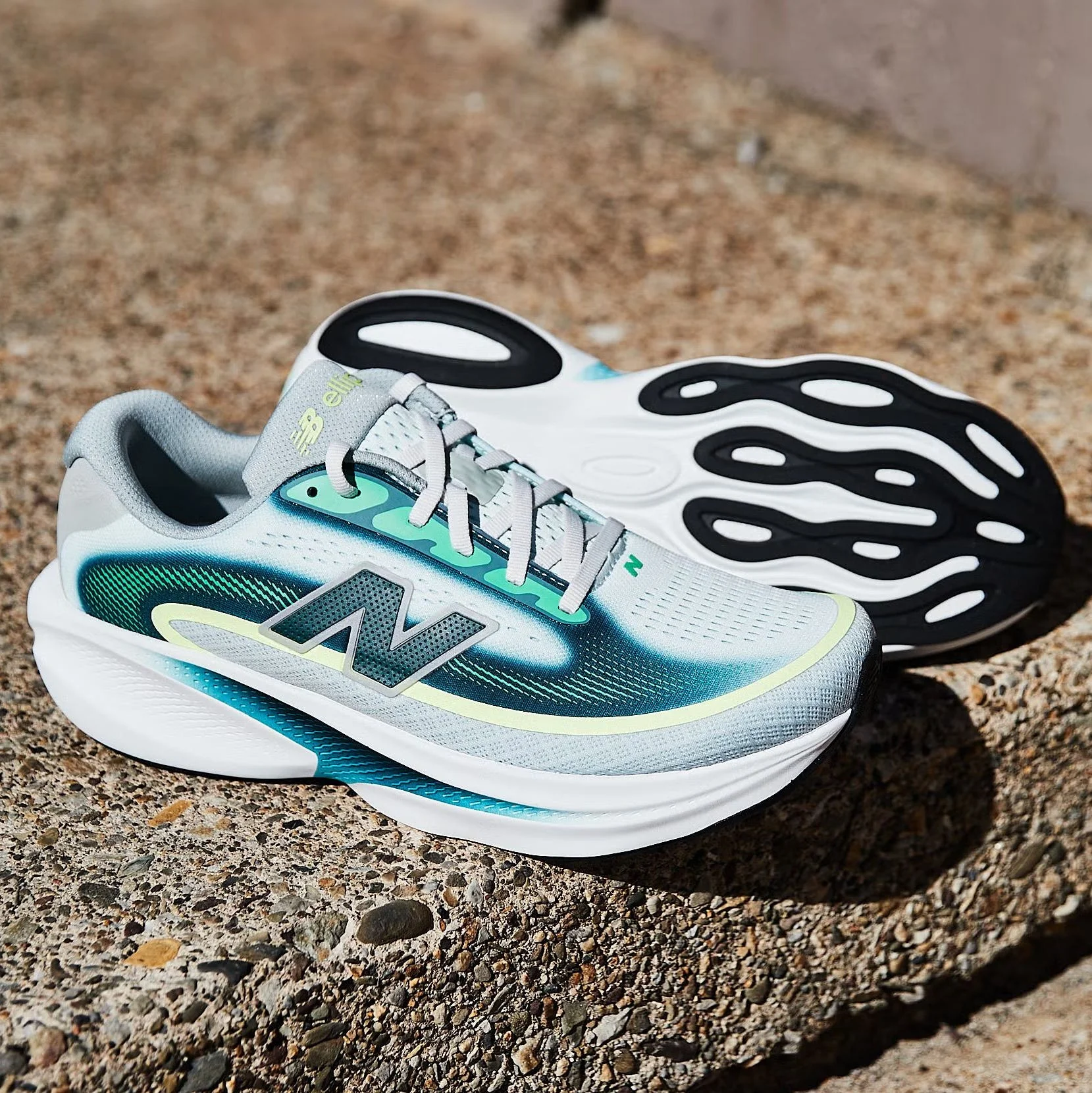
The Ellipse v1 gets its plush ride from Fresh Foam X, a midsole foam found in several of New Balance’s most popular shoes, including the 880 and 1080. But the new Ellipse features a retooled version of the foam; it’s softer, bouncier, and has new geometry.
“Where [the retooled Fresh Foam X] starts to come into play is when you really start to flip the shoe over, wherein the foam bounces back in the negative space behind the outsole,” said New Balance Senior Global Project Manager Paul Zielinski.
The springy foam provides a trampoline-like bounce and embodies that feeling you get running with friends; the whole point of the Ellipse v1 is to make your runs easier.
“Because I mostly run on hard roads and sidewalks, I want a shoe that feels like a firm pillow,” said RW News Director Andrew Daniels. “This gets me there without feeling clunky or like I was stuck in the mud. It felt adequate for medium-length runs; the foam didn’t seem to pack down or get hard midway through.”
Buy Men’s at newbalance.comBuy Women’s at newbalance.com
Pros
- Cushioning absorbs shock
- Very bouncy
Cons
- Loud
- Not snappy for faster paces
Key Specs
| Weight | 8.2 oz (M), unisex |
| Drop | 8 mm |
| Heel Height | 46.5 mm |
| Forefoot Height | 38.5 mm |
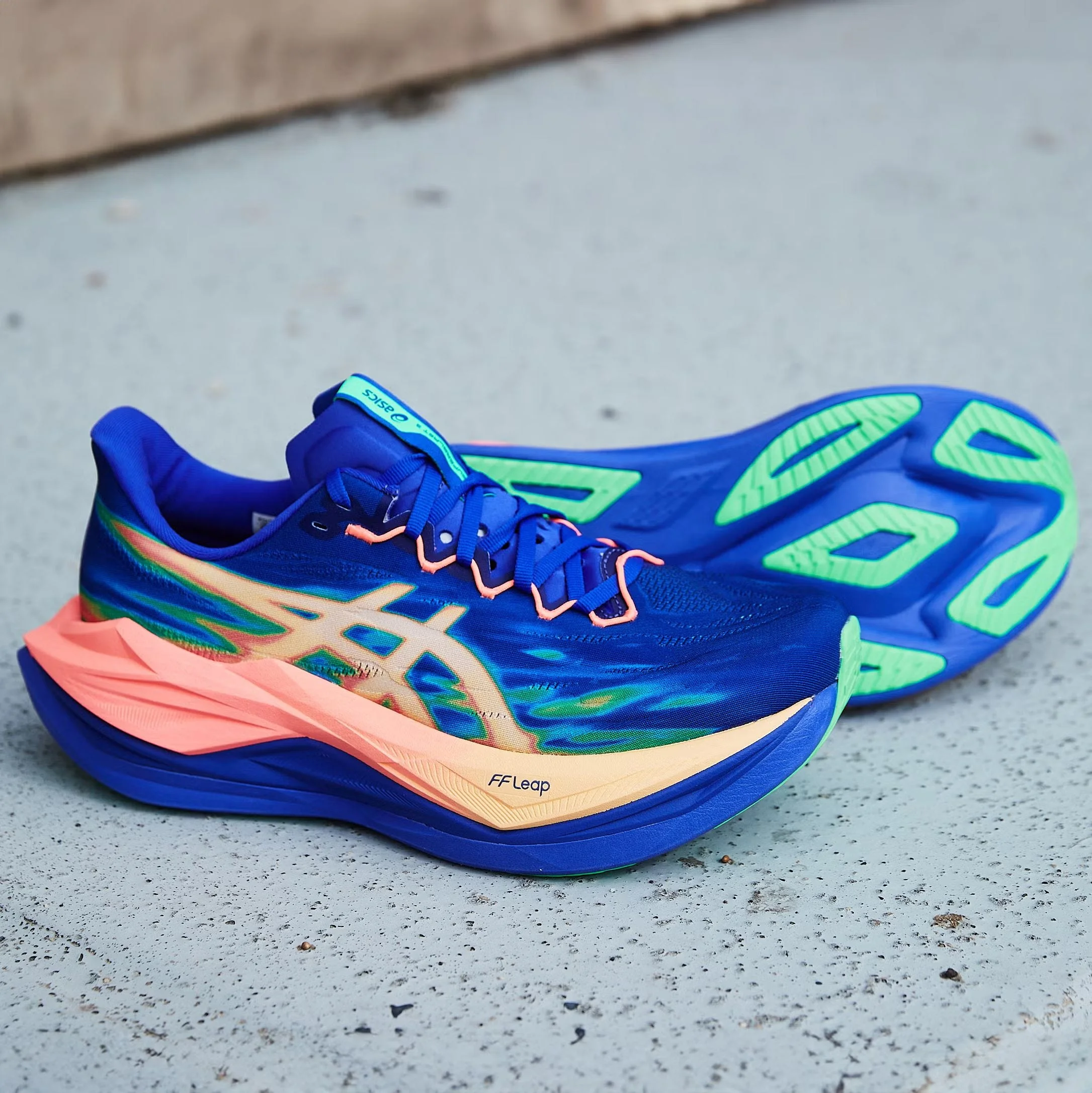
The Superblast 3 feels especially bouncy compared to other shoes we’ve tested on this list. Asics’s bounce pod, a protruding component under the forefoot, acts as a springboard during push-off. Another ingredient is the FF Leap foam, which promotes high rebound and soft landings.
“The cushioning was extremely soft,” said sub-4 miler Colin Abert. “It helped to cushion impact significantly so I felt like I could run really long distances in this shoe without feeling too beat up.”
During my testing, the shoe provided lots of pop, just like the brand’s Megablast, which is also included on this list. A minor complaint is the shoe’s stiffness, especially in the forefoot area. Testers also found that despite the Superblast 3’s high energy return, it’s not a shoe meant for speedwork.
“I didn’t love it at faster paces,” said tester Jill Brader-Meyers. “The foam rebounds well, but not with that snappy, race-flat feel my legs are used to.”
Despite the lack of snap, testers marveled at the shoe’s bounce during long runs when they were marathon training.
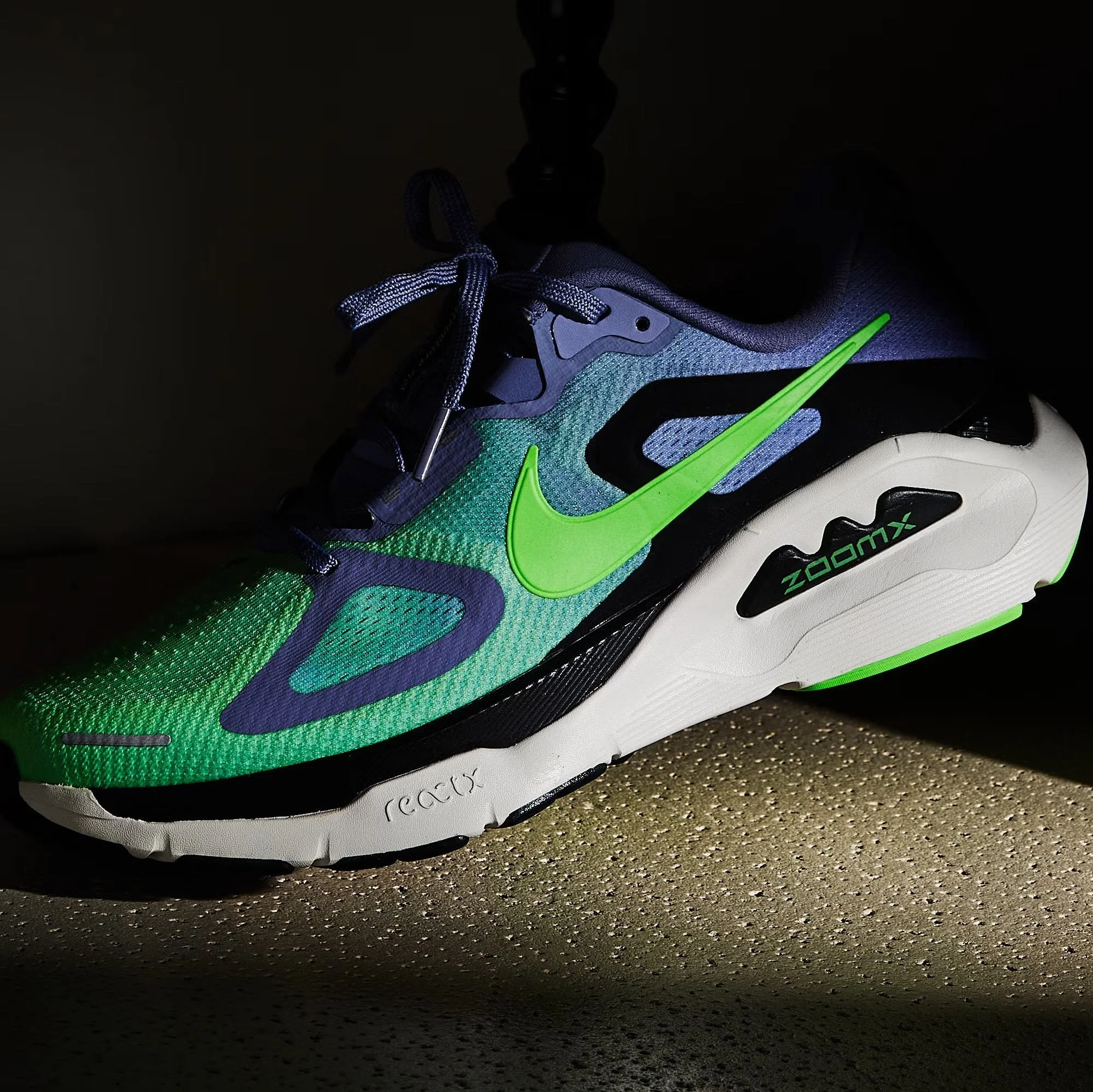
Nike Structure Plus
Pros
- Maximum cushioning throughout midsole
- Support system for overpronators
Cons
- Some testers found the shoe too heavy and cumbersome

Features at a Glance
| Weight | 10.8 oz (M10), 8.2 oz (W7) |
| Drop | 10 mm |
| Heel Stack | 42 mm |
| Forefoot Stack | 32 mm |
When I was on a call with Nike getting the rundown on the Structure Plus, I couldn’t get over this thought: Why would I ever choose the Structure 26 now that there’s the Structure Plus?
The latter is lighter than the Structure 26 despite 4mm more cushioning in the midsole. Unlike the Structure 26, which only has ReactX, the Structure Plus has a top foam of ZoomX—the PEBA foam in Nike’s racing shoes. The geometry of the midsole is also wider to promote stability. The convex flat shape of the sidewall and denseness underneath the arch help with overpronation. And this stability feature isn’t intrusive. Neutral runners can also reap the benefits of a little more support and experience a high rebound ride with a layer of super foam.
One tester who suffers from plantar fasciitis appreciated the balanced cushioning of the Structure Plus, saying the shoe provided excellent support for her arch. Another tester, who overpronates and has a flat arch, was “pleasantly surprised” by the midfoot cushioning and stability of the shoe.
All this isn’t to say you shouldn’t consider the Structure 26. The trainer is a more accessible price at $140, and testers loved the shoe for its comfort, stability, and do-it-all workhorse ride.
Buy Men’s at nike.com | Buy Women’s at nike.com
Pros
- Plush, cushioned ride perfect for long runs and those who need more support
- Soft upper with padded heel collar and tongue
- Lightweight despite max-cushioned midsole
Cons
- Midsole not as responsive, not a super trainer—but still delivers a nice bounce
Features at a Glance
| Weight | 10.6 oz (M), 8.7 oz (W) |
| Drop | 4 mm |
| Heel Stack | 37 mm |
| Forefoot Stack | 33 mm |
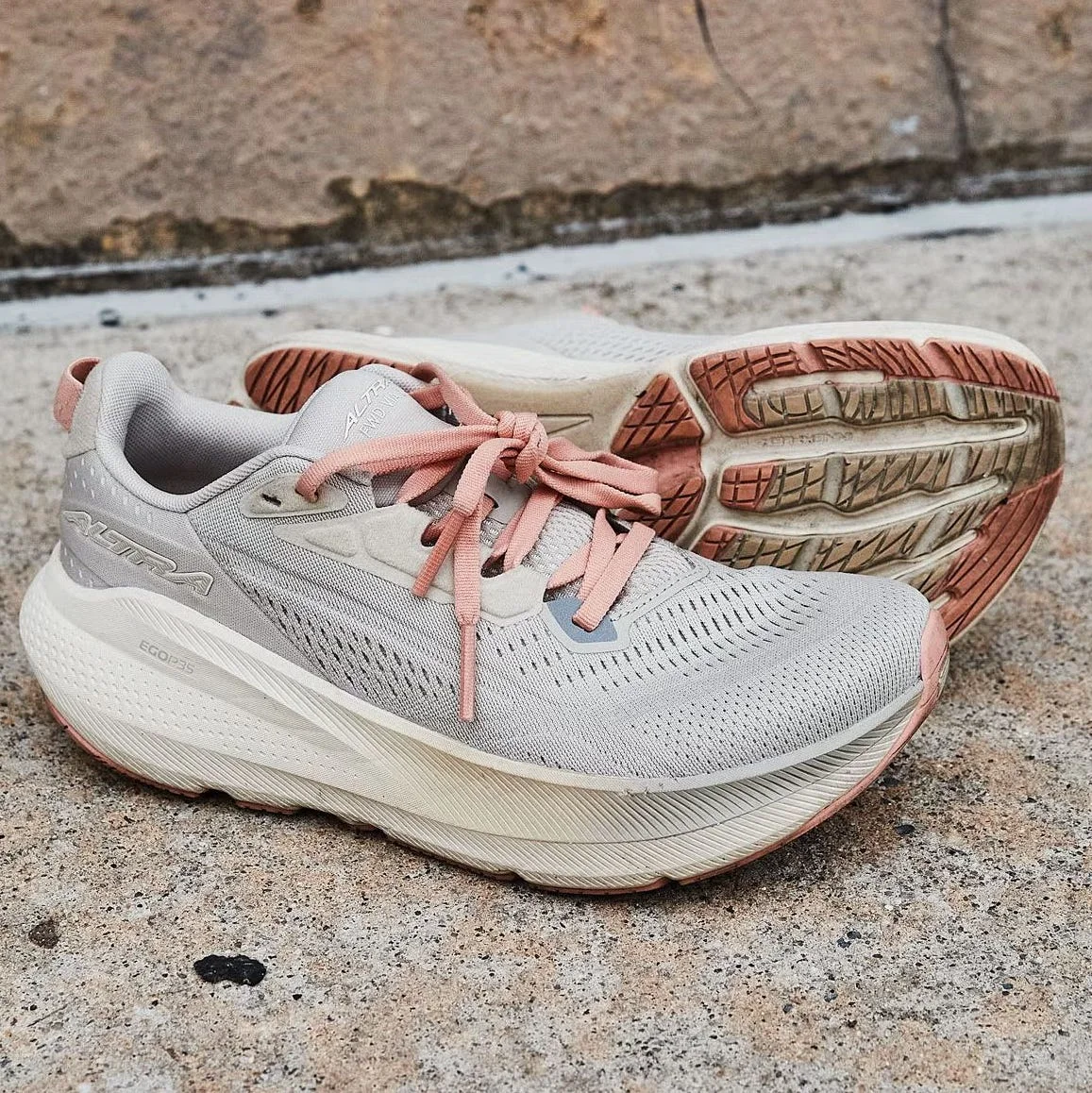
The Altra Fwd Via 2 provides a generous bed of foam underfoot without being too marshmallowy or too high stacked. At 37mm, low for this day-and-age, the shoe provides a supportive ride with rocker geometry for smooth toe-off.
It’s a great intro shoe if you’re new to zero-drop. The 4mm offset—approximately the height of two nickels stacked on top of each other—helps provide some heel lift so the sensation isn’t totally flat while running on the road.
The Fwd Via 2 is made with Altra’s original last (foot mold), which translates to a wider width. Runners who suffer from bunions or who are prone to friction in the toe area will appreciate the wide toebox.
Buy Men’s at altrarunning.com | Buy Women’s at altrarunning.com
Brooks Glycerin Flex
Pros
- Lightweight yet plush cushioning
- Responsive ride for all kinds of workouts
Cons
- Some testers wanted a gusseted tongue for a more secure fit
Key Specs
| Weight | 9.4 oz (M), 7.3 oz (W) |
| Drop | 6 mm |
| Heel Stack | 36 mm |
| Forefoot Stack | 30 mm |
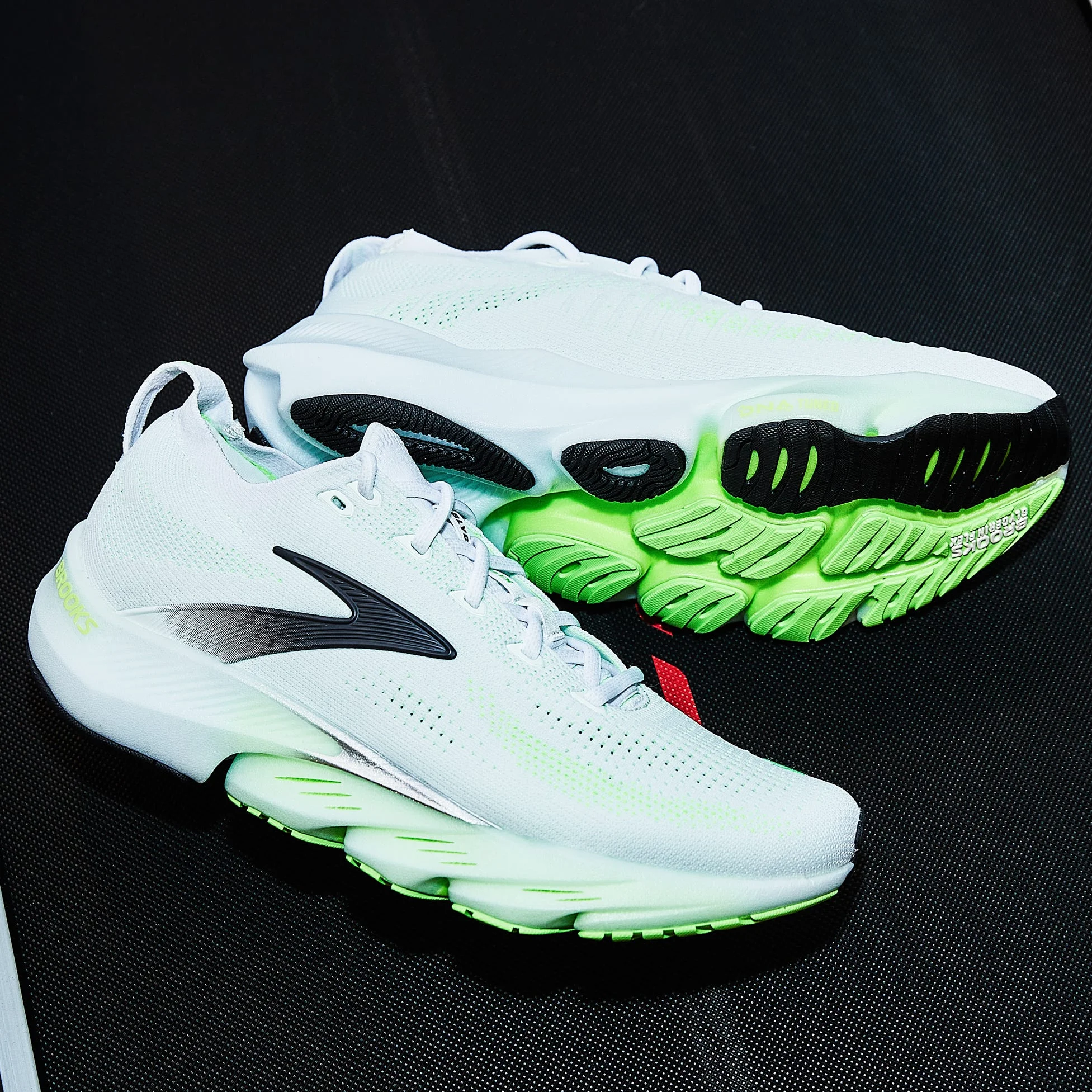
The Glycerin Flex pulls a magic trick by providing a cushioned ride in a lightweight, streamlined package. If the Glycerin Max is Brooks’s most cushioned shoe, the Glycerin Flex is the brand’s most flexible max cushioned trainer.
The heel and forefoot are slightly decoupled, allowing your feet to flex as you run, which was inspired by the natural decoupling of the joint between the ankle and heel bones. The effect: more control to the wearer instead of working against a stiff shoe.
“Overall, I rated the Brooks Glycerin Flex as above average,” said tester Lindsay Vuong. “It is a very comfortable, highly cushioned shoe that delivers a plush feel right out of the box. It includes soft interior padding and an adaptive knit upper that provides a personalized fit.
“The shoe utilizes a flex groove to provide more natural foot movement throughout the stride. The shoe can be nearly folded in half, but this flexibility also requires more attention to form for less experienced runners. The wide platform, generous heel cushioning, and secure upper help add some much-needed stability. I tested the shoe both on the treadmill and outdoors in cold winter conditions, running at a moderate pace.”
Buy Men’s at brooksrunning.com | Buy Women’s at brooksrunning.com
Pros
- Soft, cushioned responsive ride for daily training, long runs, and recovery
- Stable despite height due to broader base and locked-in fit
Cons
- Hefty profile, but feels lightweight and responsive
Key Specs
| Weight | 10.5 oz (M), 8.5 oz (W) |
| Drop | 10 mm |
| Heel Stack | 46 mm |
| Forefoot Stack | 36 mm |
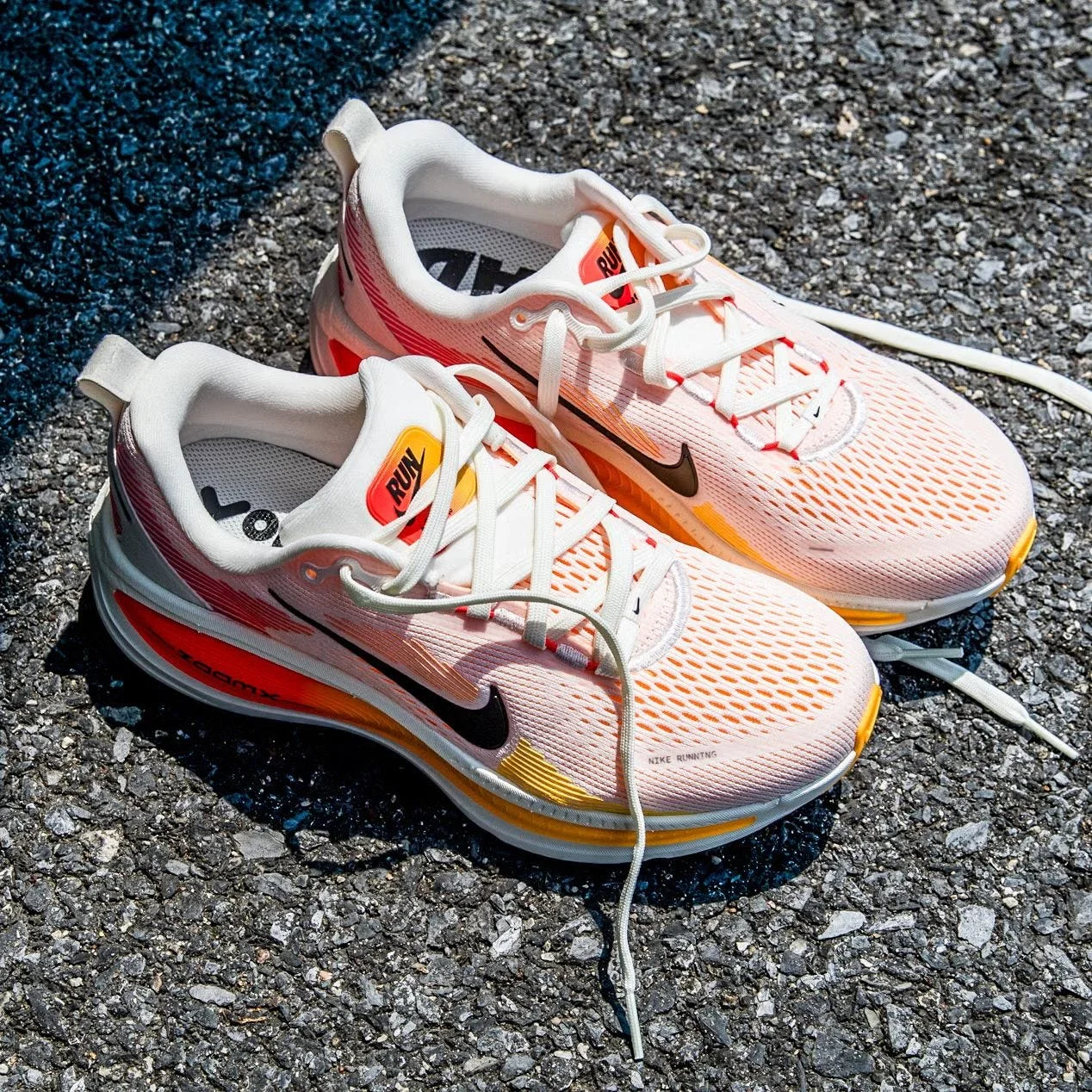
Nike’s Vomero line has always been the thicker, plusher cousin of the brand’s do-it-all Pegasus, but the latest version’s gigantic 46mm heel stack height puts the shoe on the bleeding edge of maximalist cushioning.
And yet, considering that not all runners dig the huge midsoles of the current moment, the Vomero 18 is less polarizing than it arguably should be. We weighed the shoes at 10.5 oz for men and 8.5 oz for women. It’s certainly no featherweight, but the heft isn’t so bad relative to the cushioning afoot. Nike put a thick, soft layer of its high-rebound ZoomX foam directly underfoot and stabilized it with a denser, less reactive layer of ReactX foam (EVA mixed with thermoplastic elastomer) on the bottom.
Similar to Nike’s race-focused Vaporfly lineup, the Swoosh once again pulled off a remarkably thick and soft shoe that doesn’t feel sketchy underfoot. “I wasn’t sure if I would like them when I first put them on because of how much heel cushion there is, and how it kind of elevates me forward in that way,” said one tester. “But it turns out it provides so much stability, even on the sides, so I don’t feel that way when I’m running in them, I feel like I can propel forward.”
Testers consistently said the Vomero 18 had become their go-to long run shoe thanks to its extreme softness and surprisingly smooth heel-toe transition.
Feedback was also positive in the upper, where Nike added room to the toebox and provided a well-padded tongue and collar to wrangle all that midsole. And despite reducing the amount of outsole rubber (presumably for weight savings), Nike still delivered solid, predictable grip.
“The shoe has less rubber than the Vomero 17, yet has plenty of traction in et, slush, and snow,” another tester said. “I often run in a wet cul-de-sac and shoes with marginal traction make themselves known on the three 180-degree turns in my circuit.”
Buy Men’s at nike.com | Buy Women’s at nike.com
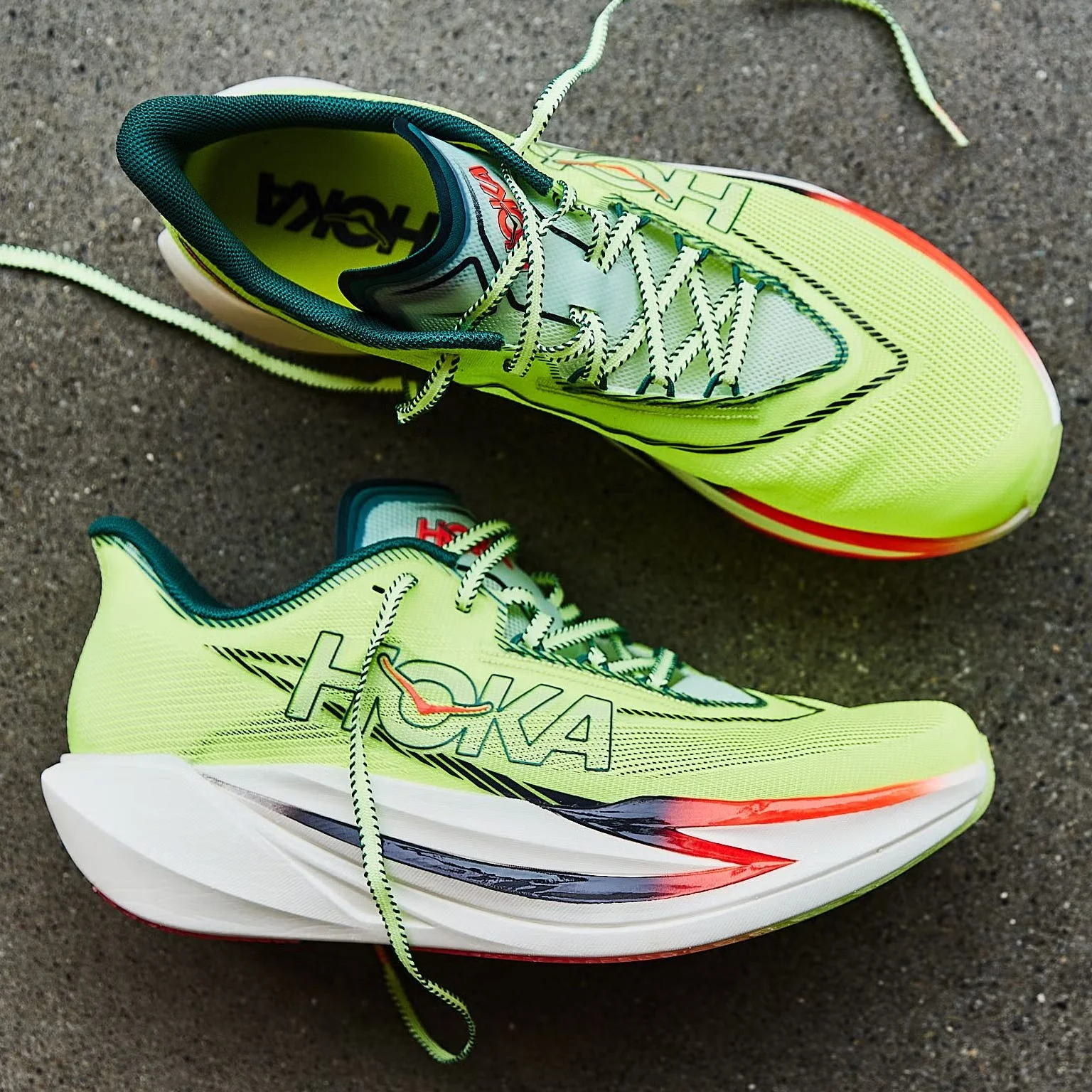
Pros
- Hoka's lightest super shoe
- Redesigned midsole helps smooth transitions
Cons
- Too thick and bouncy for some runners
- Floppy tongue bunches up when you put the shoe on
Key Specs
| Weight | 7.5 oz (M10), 6.2 oz (W8) |
| Drop | 7 mm |
| Heel Stack | 37 mm |
| Forefoot Stack | 30 mm |
The Cielo X1 3.0 is a super shoe that is giving Hoka athletes an edge against competitors. Just check out Alex Masai, who had a breakthrough performance at last year’s Chicago Marathon wearing the shoe, podiuming third with a time of 2:04:37.
Hoka made a couple of upgrades to the Cielo X1 3.0; the shoe is approximately a half ounce lighter and the midsole geometry is flattened out to make transitions smoother.
“A little bit less banana shape,” said Senior Director of Product Bekah Broe in an interview with RW. “Think a little bit more canoe.”
Compared to the Rocket X 3, the Cielo X1 3.0 has a more aggressive ride. If you need a firmer, stabler racer, you’ll want to try the Rocket X 3. But no matter which shoe you pick, rest assured your legs and feet will be protected from hours of foot pounding, thanks to Hoka’s generous cushioning.
Asics Megablast
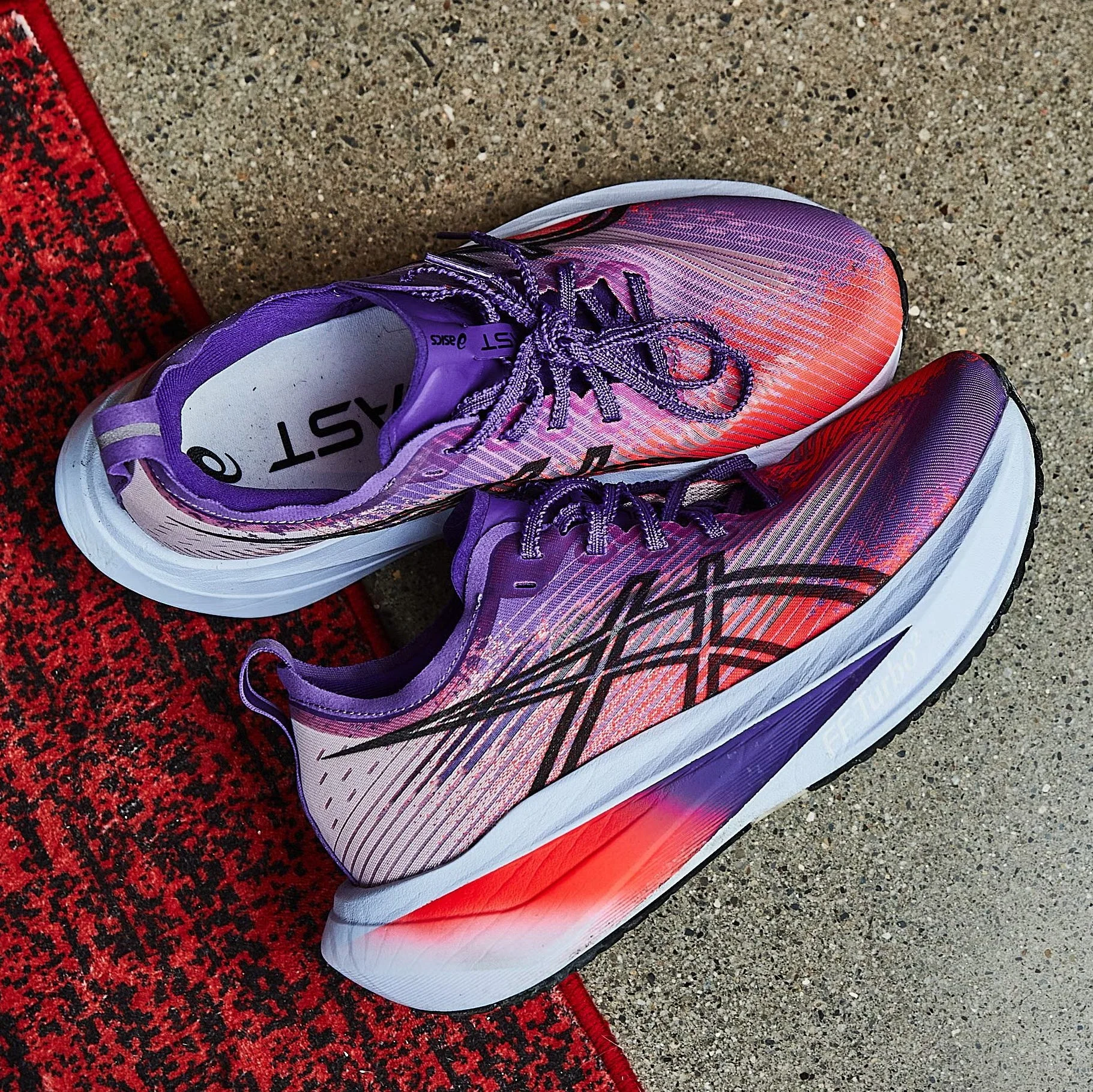
Pros
- Supportive cushioning for tough workouts
- Bounciest foam
Cons
- Bulky
- Cushioning too soft and spongy for some
Key Specs
| Weight | 7.6 oz (M), 6.6 oz (W) |
| Drop | 8 mm |
| Heel Stack | 46 mm |
| Forefoot Stack | 38 mm |
“Mega” is the right word in describing this shoe—along with “blast.” The shoe is a titan at 46 mm in the heel and 38 mm in the forefoot. The initial feel is bulky, but the bounciness of the ride almost negates its beefiness. Our testers did cite some exhaustion, however, when their runs went long.
“I loved that I knew 100 percent if I wore this shoe the day after pushing a hard workout, I wasn’t going to get beat up more on my recovery run. The fit was also perfect,” said tester Josh Davis, who averages 30 miles a week at a seven-minute pace. “[However,] sometimes at the end of double digit mile runs, I feel like I could feel the bulk of the shoe.”
Despite the Megablast’s heftiness, testers loved its responsive ride and how its cushioning absorbed impact.
“This shoe has the most cushioning of any shoe I’ve ever run in before and I really enjoyed it,” said tester Krista Hohenshilt. “I think it would’ve been adequate for longer runs, if the toebox was wider. Despite being soft, the shoes still feel very responsive and springy. These shoes are also great and comfortable just for walking around town on hard surfaces.”
Buy Men’s at asics.com | Buy Women’s at asics.com
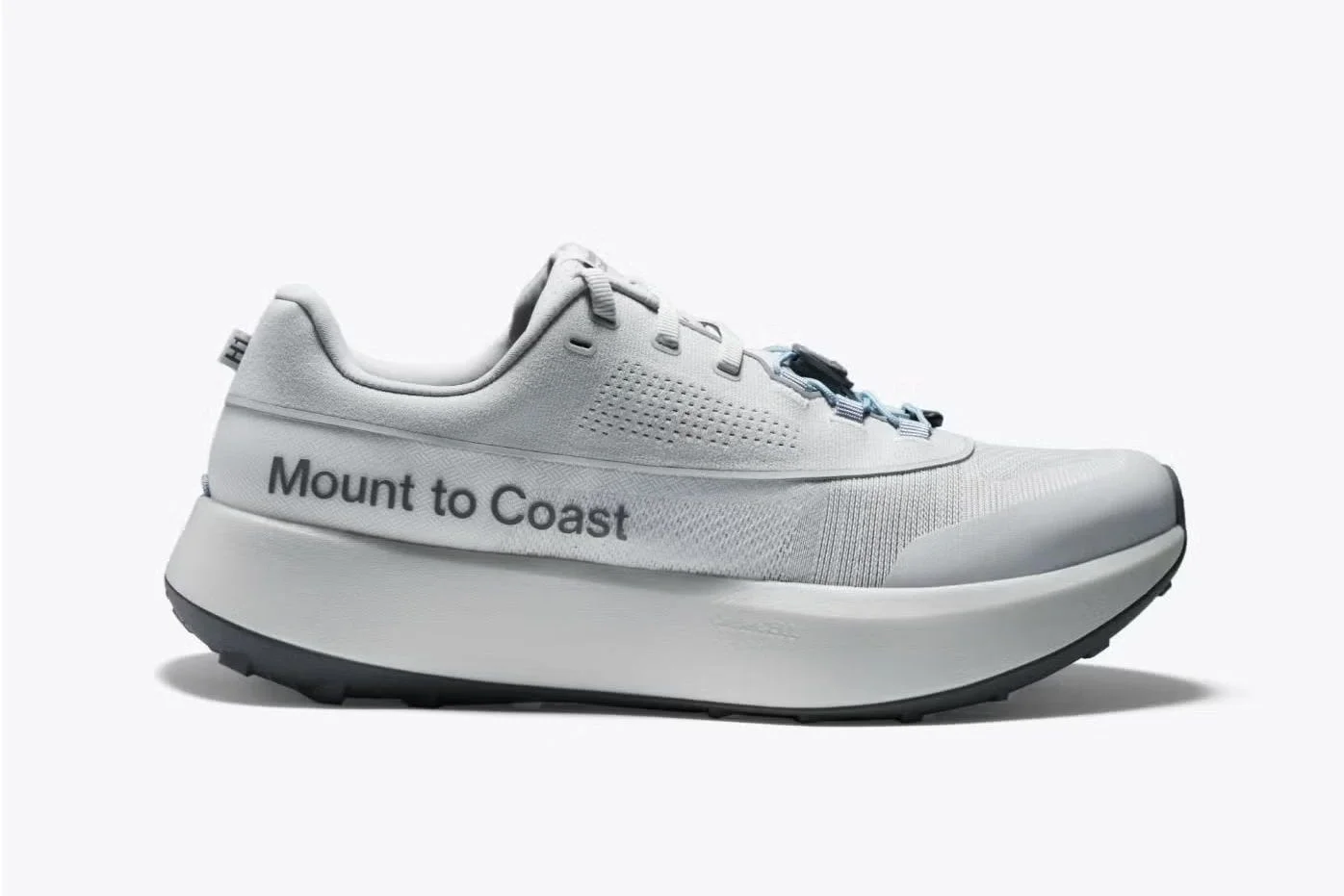
Pros
- Supportive cushioning
- Reliable traction on wet surfaces, snow
Cons
- Testers were not fans of the dual-lacing system
Key Specs
| Weight | 8.5 oz (M) |
| Drop | 6 mm |
| Heel Stack | 35 mm |
| Forefoot Stack | 29 mm |
Mount To Coast built its brand on producing ultrarunning shoes—for the road. It’s no surprise, then, that the brand’s shoes are plush, supportive, and made for running long. The H1 is a hybrid for both running on the road and trail.
Tester Leslie Billowitch had the opportunity to see how the shoe would perform on different surfaces and in different weather conditions.
“Mother nature gave me the best testing weather,” she said. “I ran through rain, snow, ice and mud. It was amazing! For obvious reasons the shoe was not good on ice, but in all the other conditions, I felt safe and secure. Some of my other shoes have made the ball of my foot hurt and this shoe had no pressure points that bothered me.”
But the CircleCell midsole was also a major win, its softness rivaling other shoe brands’ cushioning.
“The cushioning in the Mount To Coast felt noticeably softer than the Hoka Speedgoat or even the Brooks Ghost,” said tester Liz Fones. “That softness was actually a major plus—it never compromised the level of support. Even on longer runs, the cushioning felt just right, and I especially appreciated that the heel wasn’t overly thick, which can sometimes feel awkward or bulky.”

Pros
- Wide, roomy toebox great for toe-splaying
- Soft, supportive ride over long stretches of technical trail
Cons
- Chunky; heavy for some testers
| Weight | 12.1 oz (M10), 8.3 oz (W8) |
| Drop | 7 mm (M) |
| Heel Stack | 49 mm |
| Forefoot Stack | 42 mm |
The Hoka Mafate X is a macho trail fiend with an almost-50mm stack height and midsole powered by PEBA. You’ll get a firm hold blazing the trails thanks to the pizza- and taco-shaped lugs on the outsole. The food shapes are an homage to Hoka’s ultrarunning roots.
Testers loved the ride and protection the Mafate X provided. One such tester also praised the accommodating fit in the toe area. Her first run testing the shoe was at a 5K.
“These were literally from box to 5K within a few hours with absolutely zero break-in,” said tester Jen Long. “I was pleasantly surprised. After completing the run I had no complaints really, no traction issues, and everything was really good. This specific 5K that I did was mostly flat on loose gravel.”
Though the Mafate X felt too heavy for long runs for, uh, Long, other testers said the shoe served well for hours on the trail, with one saying the shoe was ideal for running ultras.
“If someone told me tomorrow I needed to run 100 miles on rocky terrain I would run in this shoe hands-down without question,” said Sean O’Connor.
Buy Men’s at hoka.com | Buy Women’s at hoka.com
What to Consider
Become a Stronger Runner With These Exclusive Training Programs







Amanda Furrer, Editor, Running Reviews, studied journalism at NYU and writing at Emerson College. She has reviewed gear and covered other topics in the running space for almost 10 years. Since 2013, she has consecutively run the Boston Marathon. She also has a master’s degree in gastronomy from Boston University and was formerly a professional baker for two years before hanging up her apron.

Cat Bowen, senior editor of commerce; reviews, is a seasoned runner with more than 20 years of distance running experience, including dozens of marathons, half marathons, and even a few ultra marathons. For over a decade, she has tested parenting, fitness, home, and running gear and written in-depth guides to help readers with their next purchase. Holding multiple advanced degrees and currently studying kinesiology, Cat Bowen brings research-backed insight to all of her guides. Passionate about women’s health and neurodivergent inclusion, she advocates for closing research gaps and helping others—especially AudHD people—find joy in running and fitness.