Garmin Forerunner 170 Music Review: Advanced Training Metrics Go Mainstream
- The Forerunner 170 Music packs Garmin’s full training stack.
- It’s essentially the spiritual successor to the Forerunner 165/265.
- It’s a lot of watch for $350
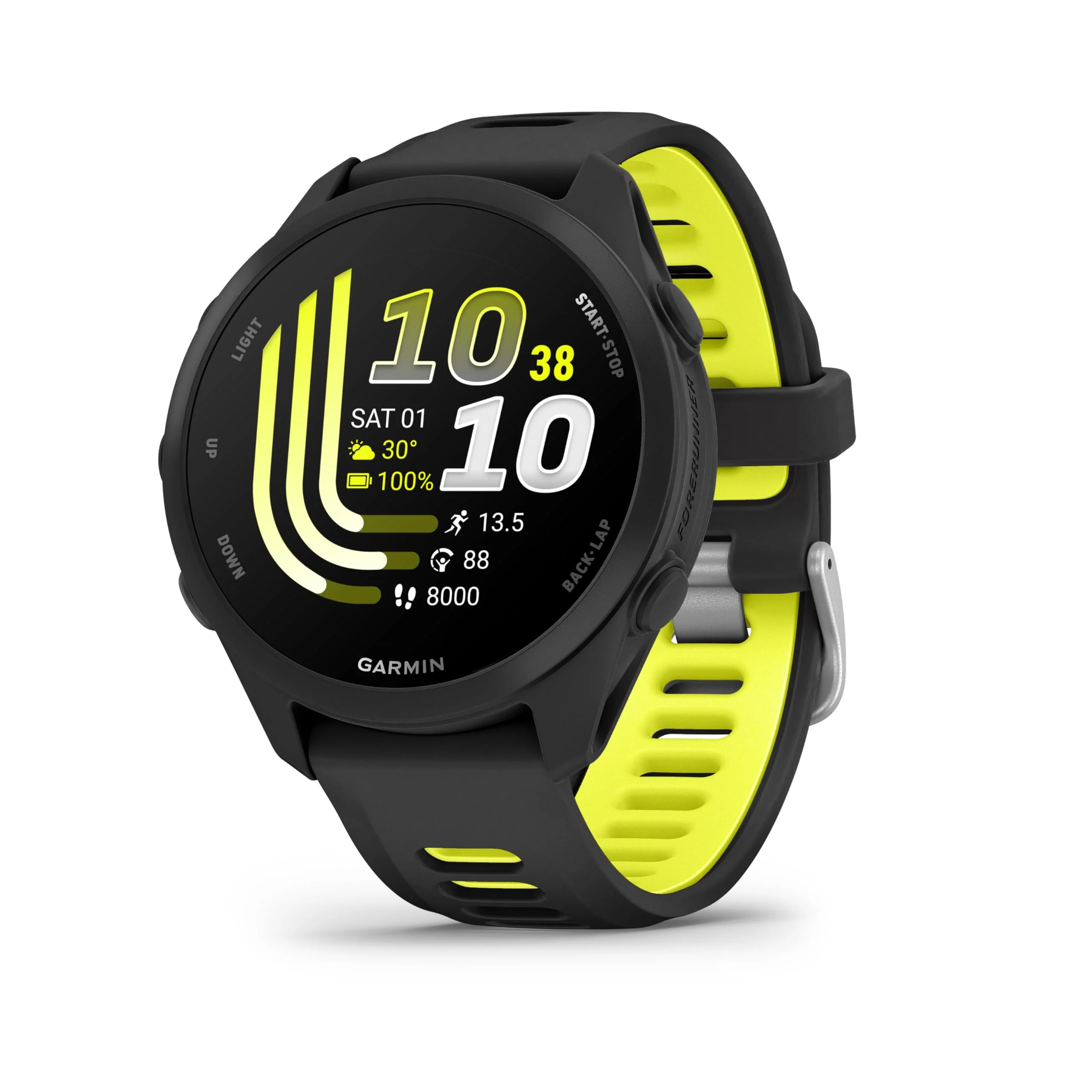
Garmin released the Forerunner 170 Music in May 2026 as the mid-tier successor to the beloved Forerunner 165, and it is a lot. We’re talking a big, bright 1.2-inch AMOLED touchscreen, a five-button configuration (yes, both touch and physical buttons, bless the heavens), up to 10 days of battery life in smartwatch mode, Garmin Pay contactless payments, and phone-free music streaming. It retails at $349 for the Music edition, which supports offline audio from most major streaming platforms including Amazon and Spotify. The non-music Forerunner 170 comes in at $299 if you’re an Apple Music listener or you just like the ol’ phone scroll.
I’ve been running with this watch for two weeks now, and I’ve liked it a lot so far. It’s a lot of watch for most runners, but the hardware wears light, and the UX on the watch is simple. (Though the app could still very much benefit from a redesign.)
Pros
- Easy to operate
- Light and bright
- Multiple color options
- Quick GPS
- Music storage

Cons
- No multiband GPS
- No offline mapping

| GPS | GNSS not multiband |
| Garmin Pay | Yes |
| Display | AMOLED |
The Specs
The Forerunner 170 Music has more metrics than you can shake a stick at. It brings Training Readiness, Training Status, HRV Status, Training Load, Training Load Focus, Trail VO2 Max, Anaerobic Training Effect, Physio TrueUp, Unified Training Status, improved Recovery Time, and the adaptive Garmin Running Coach to the watch. That’s the full Garmin physio menu. This used to live exclusively in the mid-to-high tier watches, and now it’s here to tell you you’re unproductive on a new watch. Same Garmin bullying, different font.
Storage is hefty at 4GB, and the AMOLED touchscreen is eye-catching. But, if you’re like me and tactical buttons are your jam, the five-button setup mirrors higher-end models like the Fenix 8—you can actually work the dang thing mid-run with sweaty hands or while wearing gloves, which is deeply underrated as a feature. GPS lock is near-instant in real-world testing, and Strava sync is quick and easy so you won’t miss any kudos.
One major option that I wish this watch had is offline mapping. It’s available on their higher-end watches, but not in this model. I was honestly surprised that it wasn’t, and while you can link it to your phone to show you the way, offline maps are incredibly convenient.
We also gave the watch to associate editor Kristine Kearns for review. She came to it from a 2019 Forerunner 35, and the connectivity difference was stark: “Anytime I wanted to upload a run with the Forerunner 35, I’d have to manually go into both apps and it would take forever to sync, but with this watch, it’s pretty much instant.” And having run with Garmins since they were essentially blocks on your wrist, I agree. This is quite the upgrade from the 35 and 55.
The Music Situation
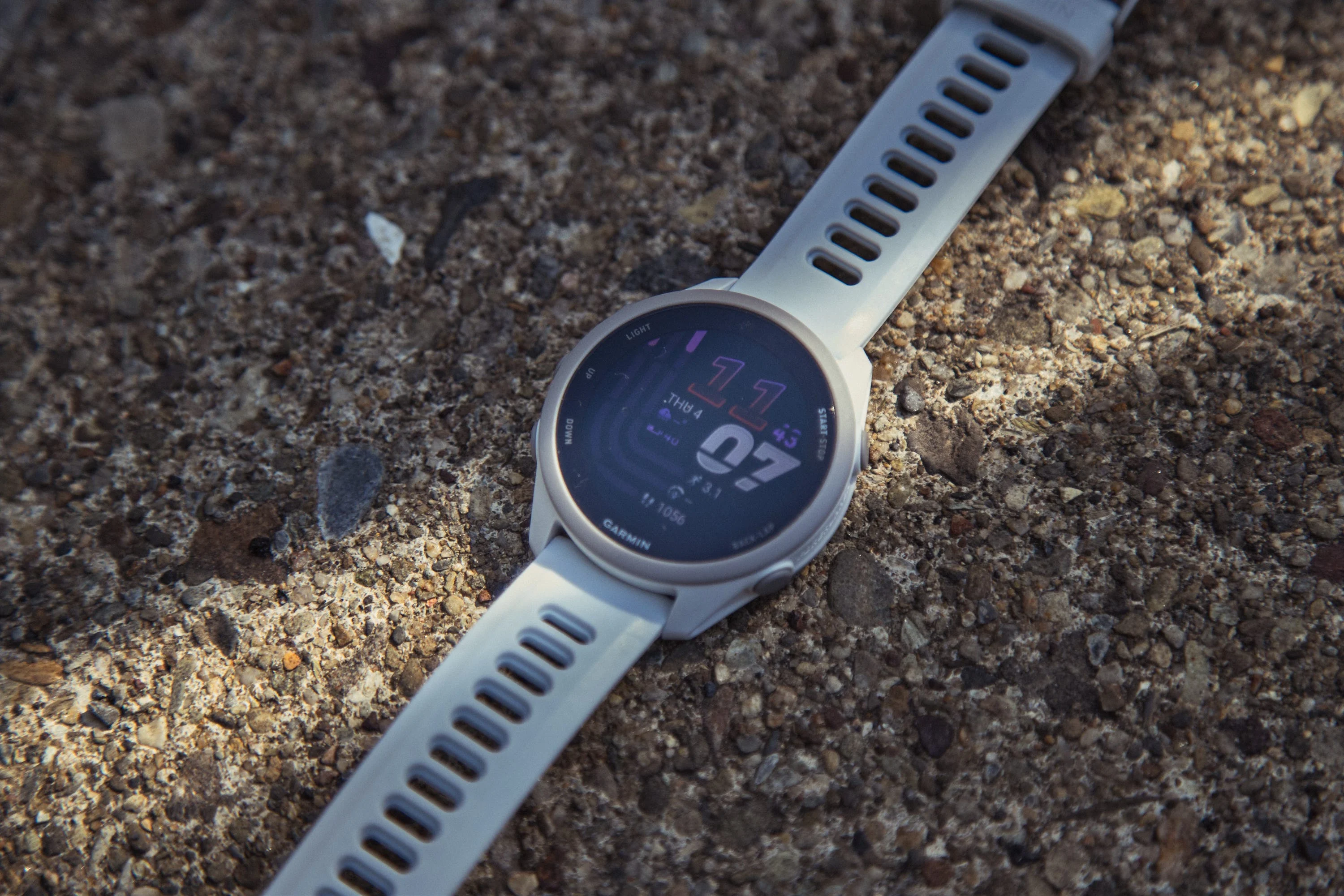
The Forerunner 170 Music can stream and store audio from Spotify, Amazon Music, Deezer, and a handful of other services, allowing you to leave your phone at home on long runs. Garmin Pay is also on board, so you can stop for a mid-run froyo or water and pay directly from your wrist.
There’s one notable gap, though, and Kristine flagged it immediately, saying “Apple Music connectivity. I would LOVE to utilize the music feature of this music-themed watch, but I’m unfortunately an Apple Music girlie through and through.” It’s a fair point—Apple Music’s continued absence from Garmin’s streaming roster is a real friction point for a significant chunk of the market. If you’re entrenched in the Apple ecosystem for music, know that going in, and maybe save yourself $50.
The Elephant in the Room: Is This the New Forerunner 265?
Here’s where things gets spicy. The Forerunner 170 Music’s $349 price undercuts the Forerunner 265 by $100—now that the 265 is retired and sold at a discount, the price is actually the same. For most recreational runners, the feature list is nearly identical. The Forerunner 170 matches the Forerunner 265 on most software features in the modern Garmin stack and uses the same HR sensor generation (Elevate Gen 4). So what does the 265 actually still have going for it?
Two things, and they matter depending on who you are. The Forerunner 265 offers a larger 46mm size, dual-frequency multi-band GNSS (the Forerunner 170 is single-frequency only), and a brighter AMOLED panel. Multi-band GPS is a real differentiator for urban runners, because it pulls satellite data from multiple frequencies simultaneously, which means better accuracy in areas with tall buildings, tree cover, or tricky terrain.
The Verdict
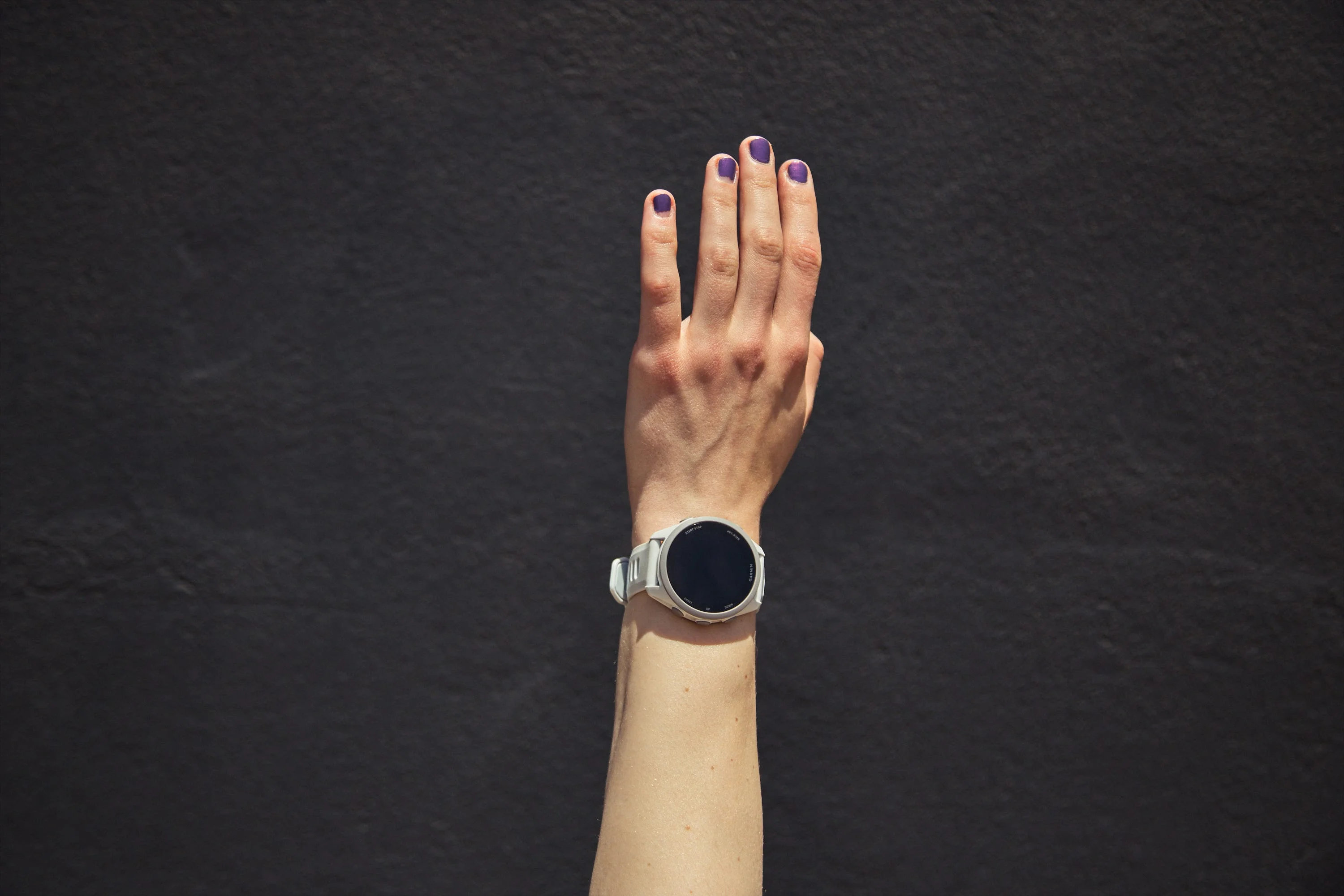
Two weeks in, the Forerunner 170 Music is, in my opinion, a helluva running watch. The activity tracking is expansive, perhaps more than you think you need. The battery holds up to days of training, and the GPS has been reliable. There are small friction points, like the fact that the start button UX is a little ambiguous, and Apple Music users will need to either convert or make peace with the gap. But the fundamentals are all there and excellent.
Kristine put it well when we asked her who this watch is really for: “The runner who can’t run without music would definitely benefit, as long as they have a Spotify or Prime Music subscription. More generally, runners who have been consistent and run a few races and feel they’re ready for an upgrade would love this.”
That’s a lot of people. And for $349, it’s a lot of watch.
Buy Forerunner 170 Music | Buy Forerunner 170

Cat Bowen, senior editor of commerce; reviews, is a seasoned runner with more than 20 years of distance running experience, including dozens of marathons, half marathons, and even a few ultra marathons. For over a decade, she has tested parenting, fitness, home, and running gear and written in-depth guides to help readers with their next purchase. Holding multiple advanced degrees and currently studying kinesiology, Cat Bowen brings research-backed insight to all of her guides. Passionate about women’s health and neurodivergent inclusion, she advocates for closing research gaps and helping others—especially AudHD people—find joy in running and fitness.