5 Essential Form Drills to Do Before Your Next Workout
Here’s a one-question quiz: Is there a difference between a warmup and form drill?
Yes! A warmup slowly gets your aerobic machine and muscles ready for the demands of a workout so your body won’t be shocked if you suddenly start running. Form drills “replicate the requirements of running and challenge the body beyond those requirements,” says Kevin Levi-Goerlich, PT, DPT, board-certified clinical specialist in orthopaedic physical therapy with the Johns Hopkins Rehabilitation Network and USA Triathlon Level II coach.
Warming up before a run can make the run more comfortable and possibly prevent injury, while form drills can improve performance, especially in terms of speed and endurance gains.
🏃🏻♀️ Run stronger, smarter, and more efficiently with the Runner’s World Guide to Running Form.
A walk or slow run can help you warm up, but they aren’t form drills. Form drills are specific moves that both activate and challenge your muscles.
“Optimal running form allows the runner to maximize speed while minimizing the effort required to sustain that speed,” says Levi-Goerlich. “Most runners, no matter if training for their first event, returning to running after injury, or chasing a new PR, could benefit from performing drills.”
The Benefits of Form Drills for Runners
Coaches created running drills to simulate the phases of running in order to improve technique and form. The best form drills should fire up the muscles of the hips, glutes, and hamstrings so they’re ready to perform, says Marcus Chambers, a speed coach and founder of Triple G Speed in Atlanta, who coaches national senior games athletes in speed training.
Levi-Goerlich recommends runners prioritize drills for at least five to 10 minutes after a warmup run or walk, but before starting the main part of a run, “and definitely before any intervals with increased intensity,” Levi-Goerlich says.
“The better a runner is with these movements, the more likely a meaningful change in running form will occur,” he says.
Along with strength training, form drills that incorporate plyometrics may help slow age-related performance loss. Also, after time away from running due to injury, it’s important to restore full function in your body. That’s why form drills can also be integral in the rehabilitation process for injured runners, Levi-Goerlich adds.
However, you should only do these drills once you have walked or warmed up. If you neglect the warmup, it’s going to put you at increased risk of injury, Chambers says, and can also lead to decreased performance in your workout.
One more note: “While practicing these drills is good, runners often stop thinking about mechanics or the quality of their movement once they have completed their drills and have started their workout,” Levi-Goerlich says.
Instead, while you run, stay mentally engaged with the components that the drills focus on, like foot positioning, being light and fast off the ground, and coordinating the upper body in a smooth manner. Bringing your awareness to these movements has a higher likelihood of creating a meaningful adaptation and optimizing running form.
Below Chambers and Levi-Goerlich share five form drills to do prior to your next speed session.
5 Form Drills to Add to Your Warmup
1. Wall Drill
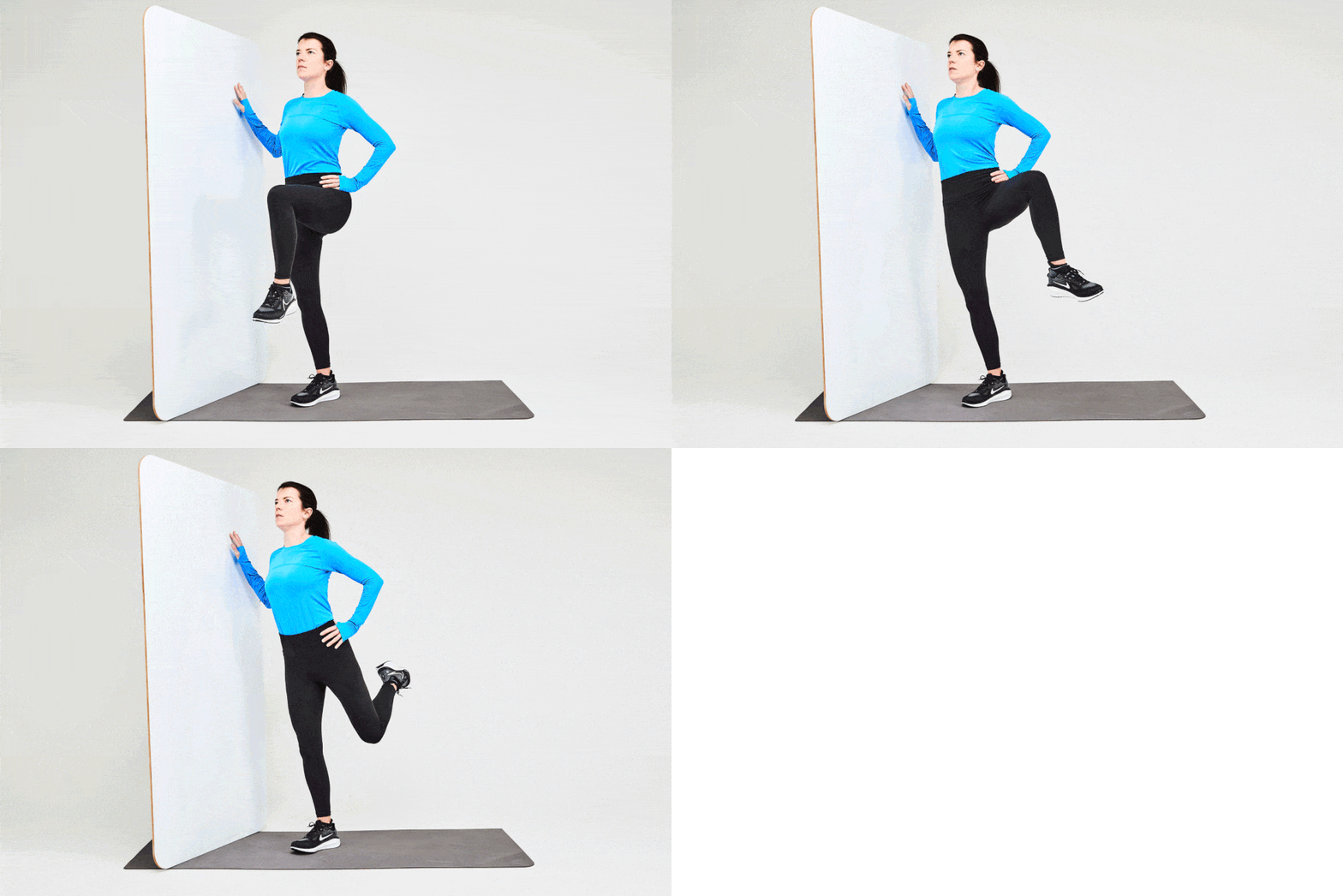
Why it works: Hip strength is important for runners as the power for explosive movements comes from the hips. With limited strength in that area, it will prevent runners from reaching potential max speed, Chambers says. “Range of motion is important for runners to create smooth efficient strides, which will help runners cover more ground,” he adds.
How to do it:
- Stand next to a wall, about arm’s length away from it, right side facing it. Place inside hand on the wall to balance yourself.
- Lift the outside (left knee) to at least 90 degrees.
- Make a circular motion by bringing knee out to the side, then back toward glute, and forward again.
- Repeat. Do 3 sets of 10 reps.
- Then switch sides.
2. A Skip
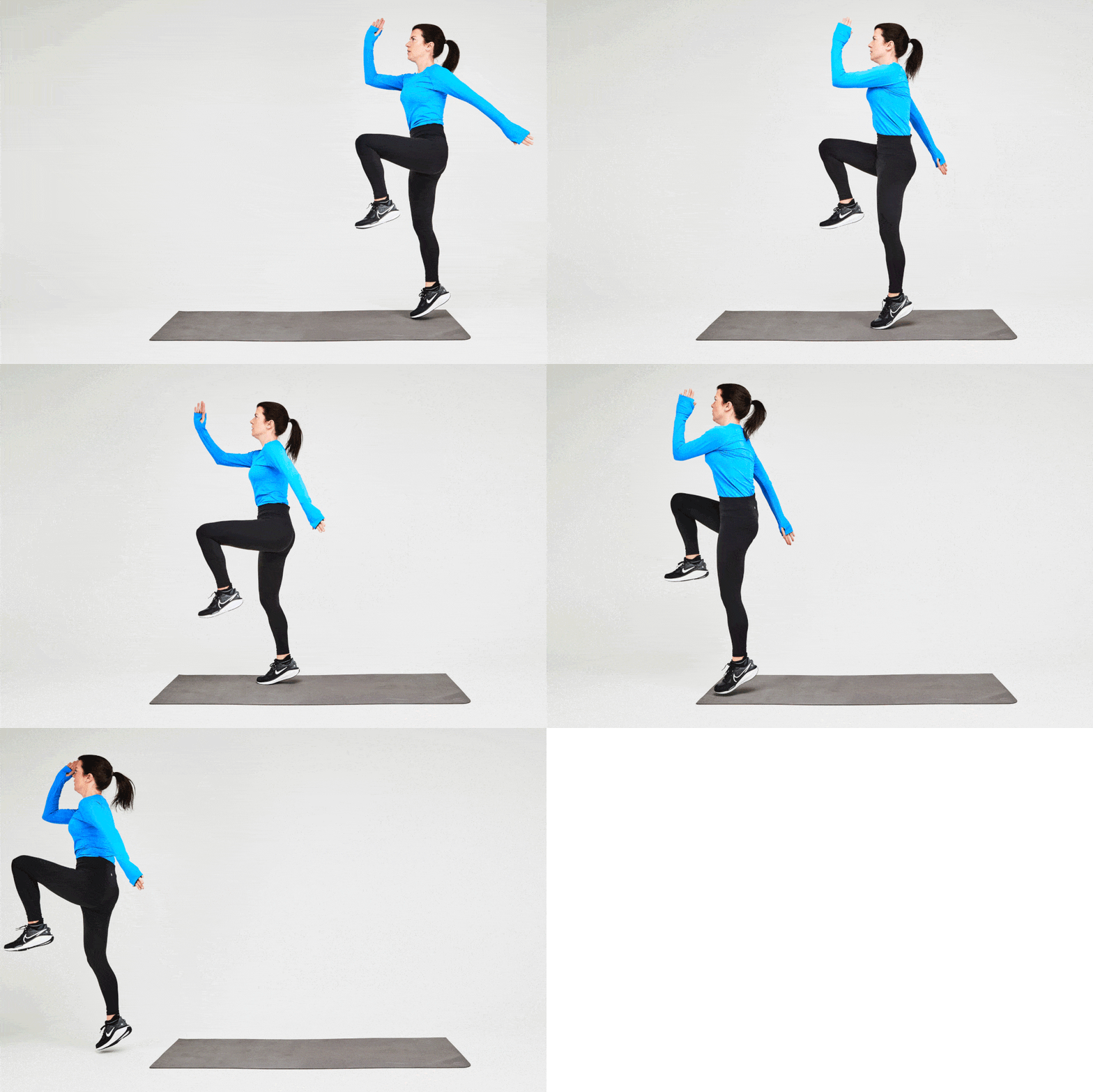
Why it works: “This is a low-level plyometric [exercise] that trains the runner to coordinate upper body motion in conjunction with the lower body. It also encourages landing with the foot underneath the knee, preventing overstriding,” Levi-Goerlich says. “Coordinating arm movement with leg movement helps enhance timing and efficient use of the arms,” he adds.
How to do it:
- Stand with feet shoulder-width apart.
- Drive right knee up to hip height, as you drive left arm forward and right arm back, skipping forward.
- Drive right knee back down and immediately drive left knee up with right arm driving forward and left arm driving backward. Keep body upright and don’t lean back.
- Continue alternating. Start slowly to get the form, then pick up the pace.
- Repeat 4-6 times back and forth for about 30 meters.
3. B Skip
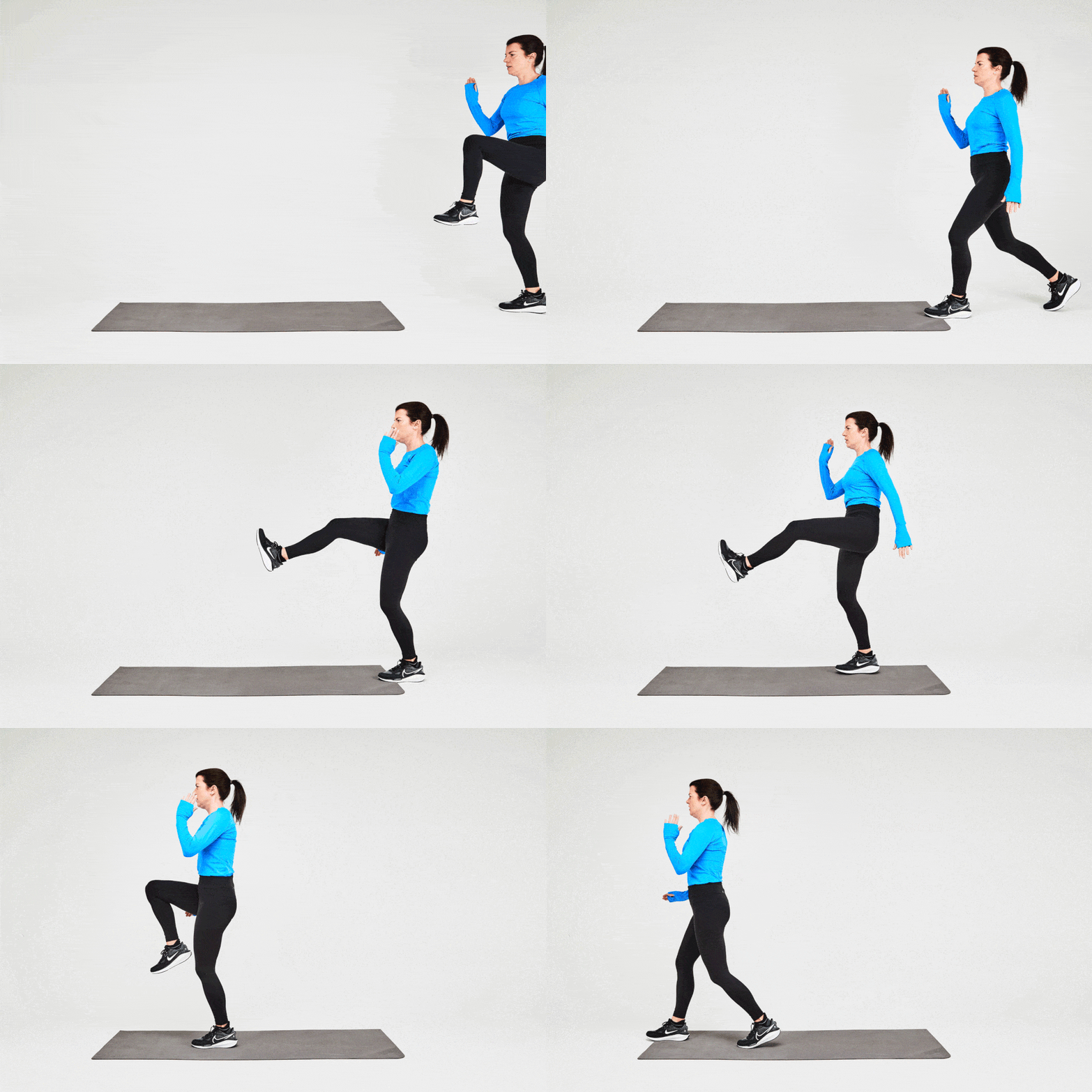
Why it works: “This slightly more complicated pattern [compared to the A skip] challenges the upper body to maintain stability while making forward progress,” Levi-Goerlich says.
How to do it:
- Stand with feet shoulder-width apart.
- Drive right knee up to hip height, as you drive left arm forward and right arm back, skipping forward. When knee reaches hip height, kick foot forward, straightening knee.
- Then re-bend knee and drive foot back down.
- Immediately repeat on other side, left knee driving up and kicking out, while right arm drives forward. Keep body upright and don’t lean back.
- Continue alternating. Start slowly to get the form, then pick up the pace.
- Repeat 4-6 times back and forth for about 30 meters.
4. High Knees
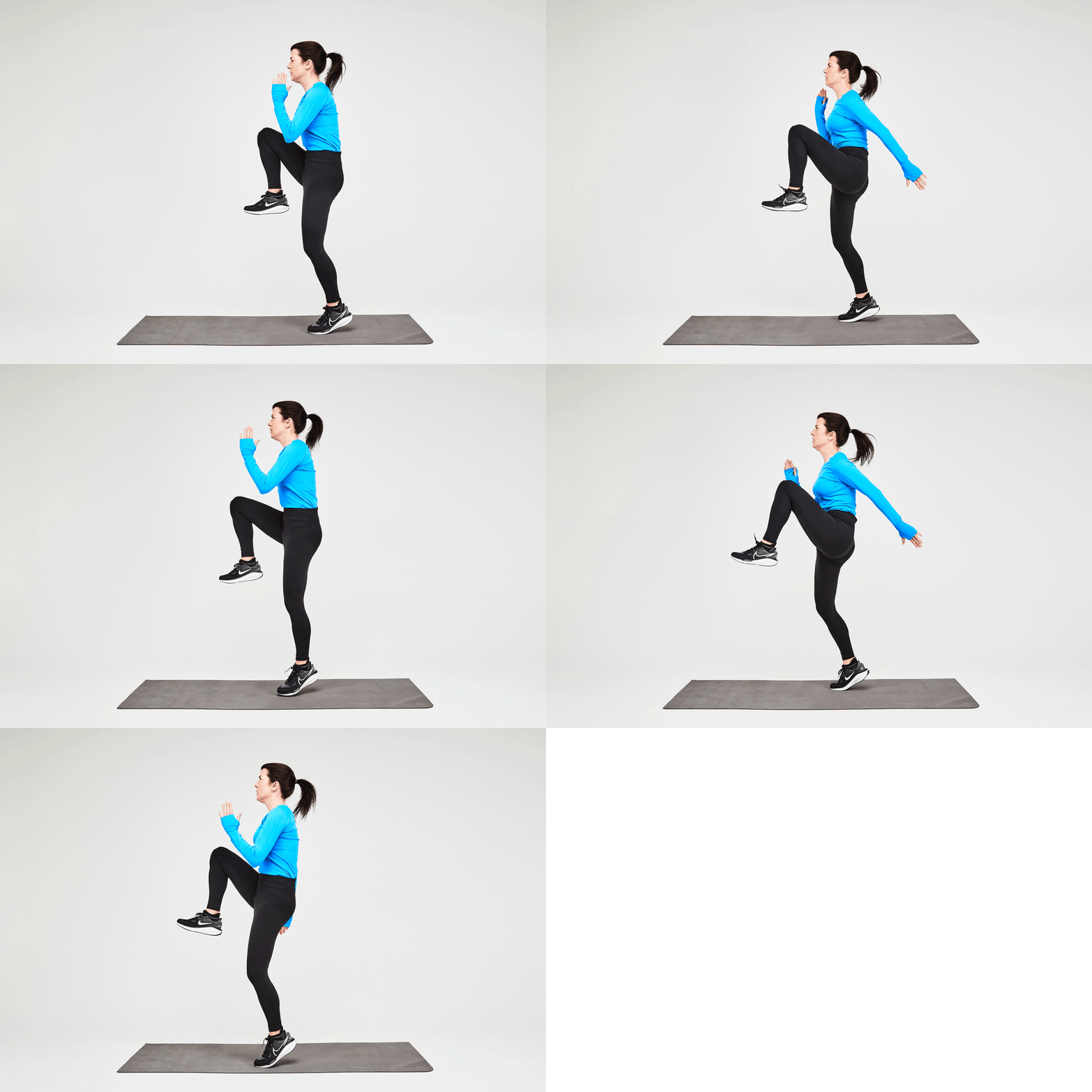
Why it works: This movement activates your glutes, hamstrings, hip flexors, calf muscles, and ankles, Chambers says.
How to do it:
- Stand with feet shoulder-width apart.
- Drive right knee up toward chest, as high as you can, left arm driving forward. Lean slightly forward.
- Immediately drive right foot down, then drive left knee up, as high as you can, and right arm forward.
- Continue alternating as you move forward.
- Repeat 4-6 times for about 30 meters.
5. Straight Leg Run
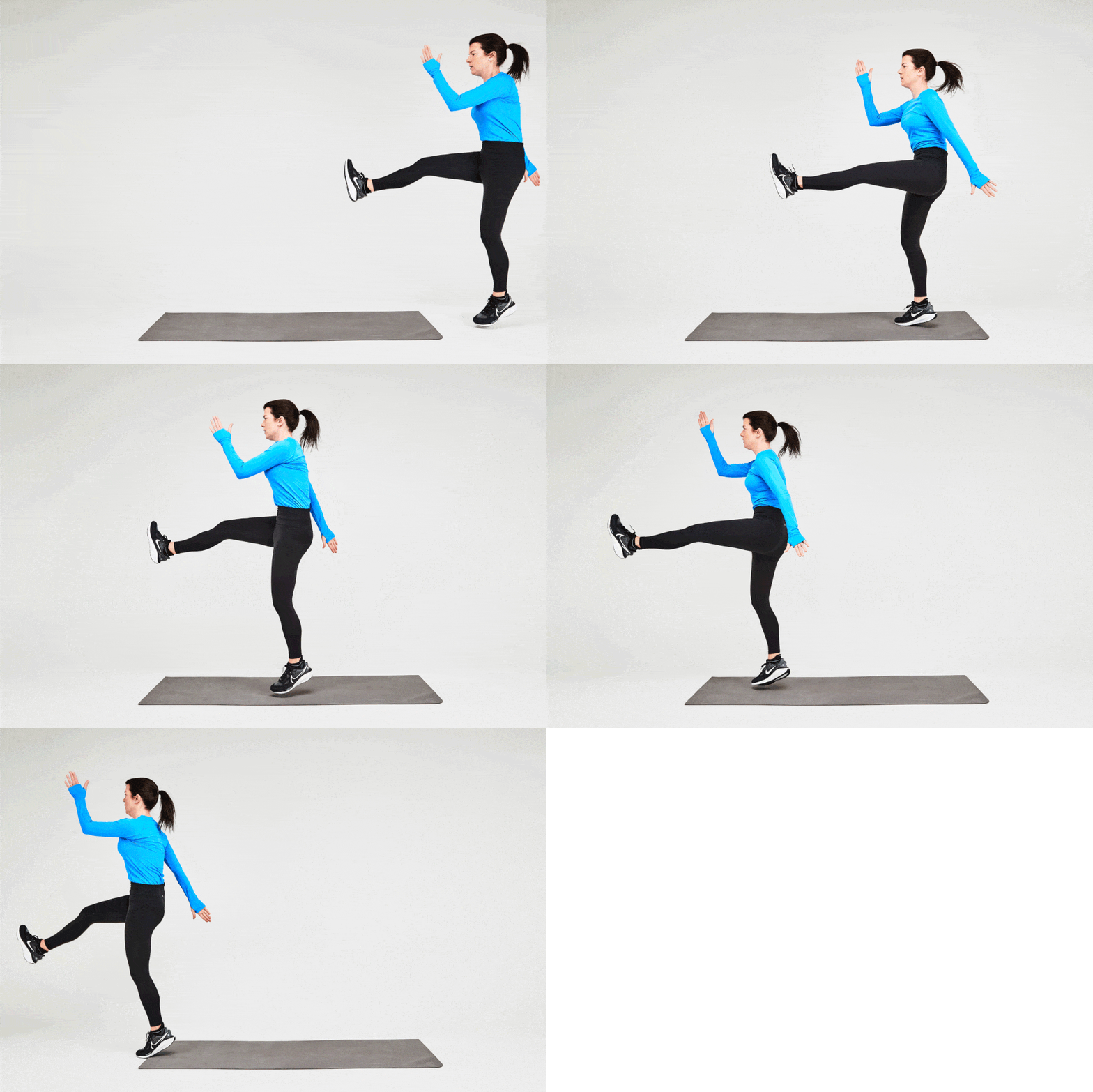
Why it works: This drill focuses on glutes and hamstrings activation, as well as ankle stability, which is important because ideally these areas of the body connect fluidly when you run, Chambers says.
How to do it:
- Start in a staggered stance with right foot forward and left foot back.
- Push forward off your front right foot and swing back left foot forward with a straight leg.
- Repeat on other side. Each time, land on midfoot and swing arms to generate more force on the ground to push yourself forward. Stay upright and don’t lean back.
- Continue alternating, starting slowly to learn form, then picking up the pace.
- Repeat four times for about 50 meters.

Jennifer Acker reports on a wide range of health and wellness topics for Runner’s World and Bicycling. She’s passionate about delivering journalism that enriches the lives of readers. Jennifer is a lifelong runner—with several half marathons, and a few marathons under her belt, certified yoga instructor, and having grown up in the Pocono Mountains, always has a mountain bike and pair of skis ready for the perfect fall or winter day.