The 17 Best Running Sunglasses for Comfort and Protection
While sunglasses technically fall into the “accessory” category of running gear, they’re pretty much a non-negotiable for me—even on overcast days, I want to protect my eyes (and the skin around them) from squinting and harsh UV light. Reflections off the water this time of year can be brutal, and can make running more dangerous than it needs to be. Moreover, on trail runs, the right pair of lenses can help with depth perception and balance in both high- and low-contrast conditions.
When you’re doing your own shopping for running glasses, look for picks with 100-percent UV protection, a rubberized nose bridge and temple arm tips for grip, and be sure to know whether you want polarization. Polarized lenses are great for glare protection and clarity in bright light, but non-polarized lenses can be better for trail running depth perception.
The sunglasses we tested and recommend fall into two pretty distinct categories: technical wraparound running models, and more lifestyle-oriented pairs that still stay put when running but don’t look goofy to wear around town after. Taking those two categories and factors like comfort, prescription options, fog-resistance, and more into account, I researched and tested multiple picks to find a variety of solid running sunglasses across a range of price points.
The Best Running Sunglasses
- Best Overall:Ombraz Refugio
- Best Value: Goodr OG
- Best for Trails:Bolle Trailchaser
- Most Durable:Vallon Watchtowers
- Great Full Coverage:SunGod Ultras Air
- Best Affordable Rx:Tifosi Swank
How We Tested
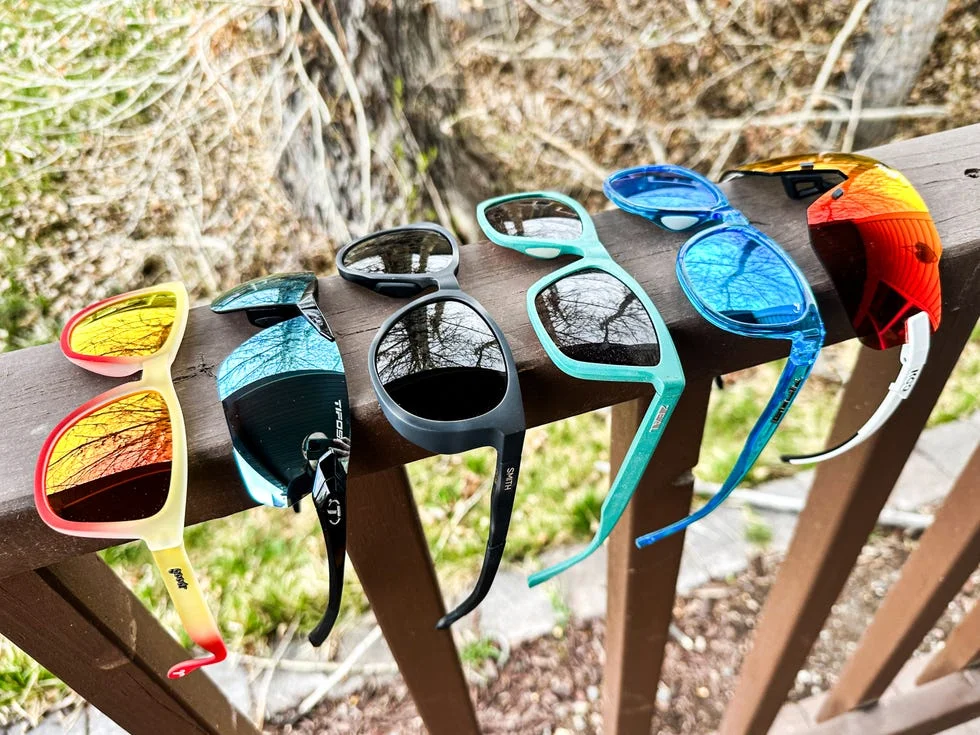
To finalize this list of the best sunglasses for running, our team tested each pair. This list is a combination of go-to faves worn during four-season runs, and new-to-me pairs that we tested to make sure they still belonged on the list. For our testing, we made sure the fit was comfortable and our eyes didn’t feel any strain after extended wear. Between myself and our editorial team, we had all shapes of faces and needs represented to keep our list inclusive.
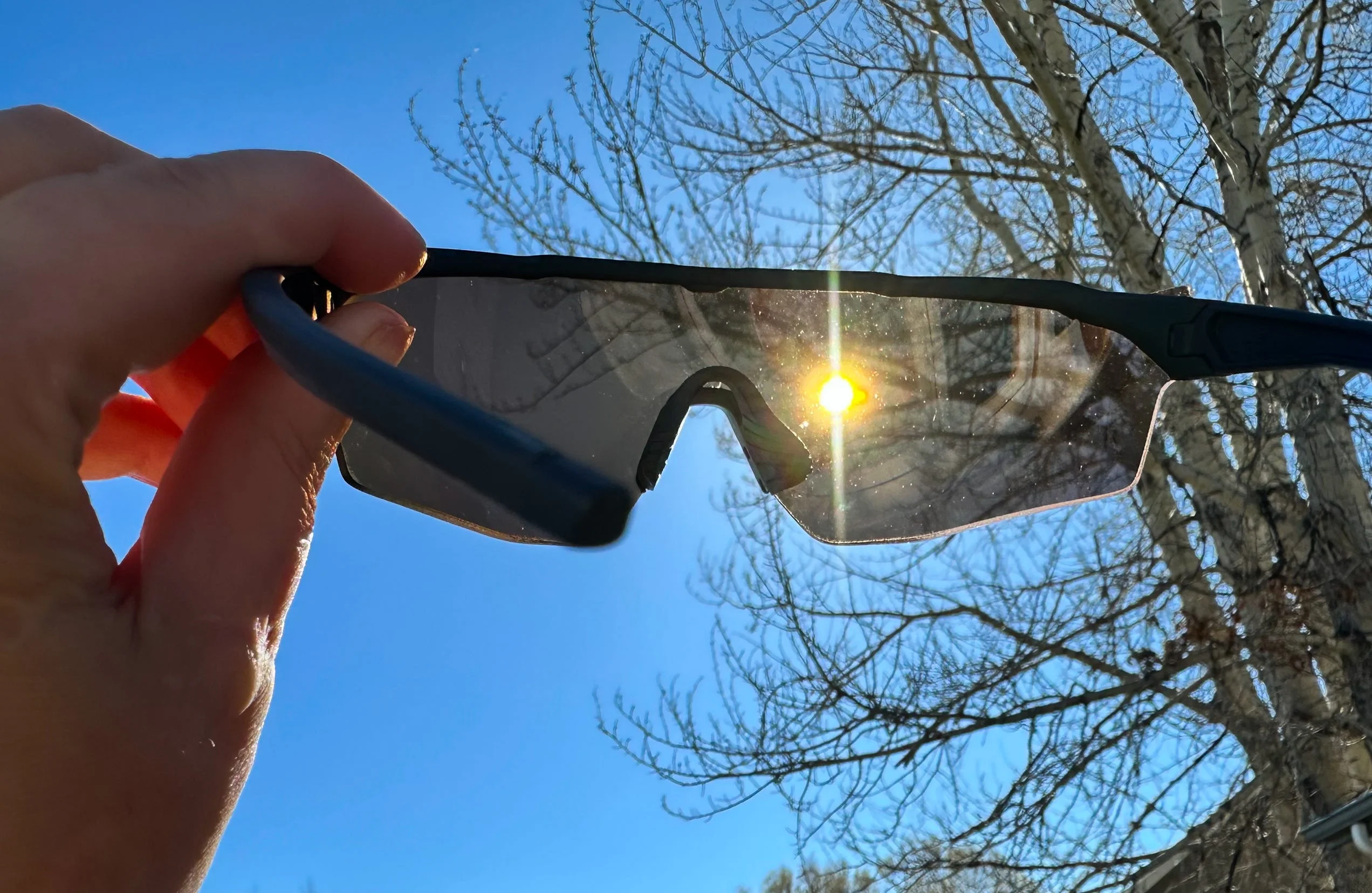
We put the sunglasses through the paces in areas like bright, snowy sidewalks, summertime beach runs, and shadowy forests to get a solid understanding of how well they worked in such conditions. Personally, I spent a lot of time on trails above tree line as well, where the UV index is searing to test each pick’s UV protection. Generally, though, we made sure that every pair of sunglasses in this roundup all had full UV protection. We also tested a variety of tints, including darker lenses for harsh sunlight, as well as low-light and photochromatic options for overcast days where you still want UV protection.
Protection aside, we made sure to find options that covered a variety of styles so you can choose between a more technical wrap-around pair, or ones that will stay on your head while running (but don’t look dorky in town after your workout). Finally, we wanted to offer options for prescription lenses, which more than half of the options below have.
Full Reviews

Pros
- We found no gaps for sunlight in these
- The cord is comfortable and fit multiple heads in our testing
- They deflect sun reflected off the ocean

Cons
- This shape isn't for everyone, as it was a bit too wide for some faces
- We wish you could use it as a hairband like other glasses

Key Specs
| Weight | 27g |
| Rx Option | No |
| Fit | Adjustable |
The Refugio Ombraz Armless Sunglasses are now my top pick—and it’s easy to see why. With an innovative armless design featuring a 100-percent recycled, anti-microbial cord, these shades never pinch, bounce, or slip, delivering a tailored fit for every adventure. The TR-90 aerospace-grade nylon frame keeps them ultralight yet rugged, while Carl Zeiss lenses provide crisp, 100-percent UVA/UVB protection and come in bold non-polarized tints. Integrated nose pads boost ventilation and prevent fogging, plus optional removable shields offer extra coverage.
They don’t slip, they don’t have any gaps for creeping sunlight, and even with my super sensitive eyes, they do a dang fine job keeping me comfortable as I run along the bay.
It’s important to note that we understand that these look weird, and you might be hesitant to shell out the cash for them, but trust us, these are some of the most comfortable that we’ve tested. According to the makers, they shouldn’t be worn too tightly, instead, they should have about a 3/4-inch give, so you can run without them batting your eyelashes or squeezing your head. They’re great for people with hearing devices, and for people with sensory issues like yours truly. They don’t squeeze your head. Also, the company is dedicated to managing their carbon footprint, and according to them, they’re the most carbon-negative product in the world.
Pros
- We found that even on rocky trails, these stay put
- Some of the widest color range of glasses on this list
Cons
- The lenses scratch really easily, even with lens wipes
Key Specs
| Weight | 22 grams |
| Rx Option | No |
| Fit | Small / Medium |
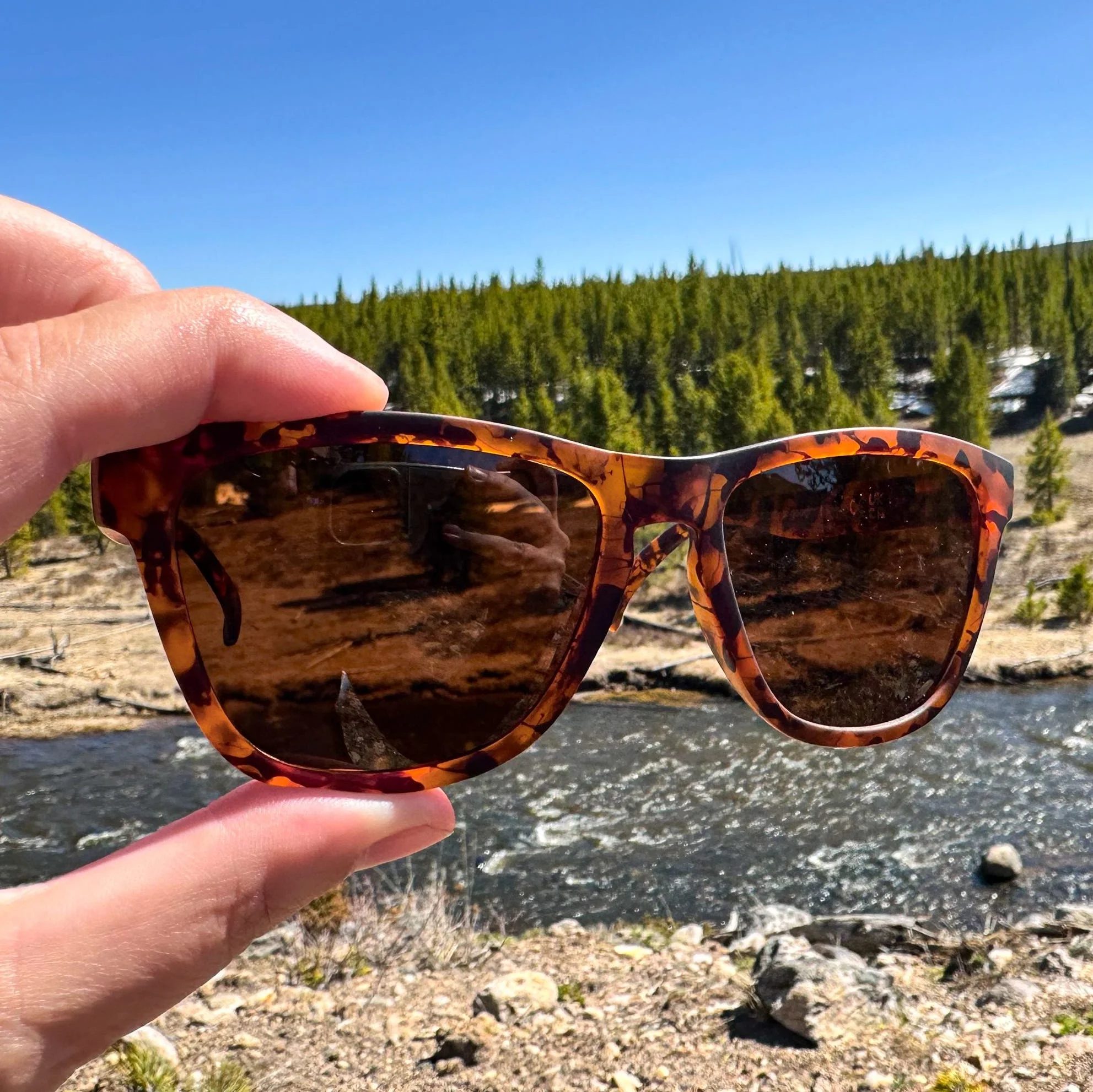
I have been a huge fan of Goodr since it launched its classically styled, affordable sunglasses back in 2015. The frame has a matte coating and stays in place during light rain or sweaty runs, and the lenses are more generously sized than the similarly styled Tifosi Swank. Not to mention, the range of colors is wildly fun.
This style looks flattering and fits a range of differently sized heads, but for the biggest noggins, Goodr also offers the BFG, which has a wider frame, larger lenses, and extended arms for a more secure fit. My main gripe with the Goodr OG is how easily the lenses scratch. I wore a pair of these on a 500-mile backpacking trip and was very careful to use the included soft case and to not let them get banged around, but they were still almost unusable by the end of the 23 days.
Pros
- Great, flexible sun protection
- Lightweight but durable
- Ultra clear trail vision
Cons
- Honestly look a little weird when lighter
| Weight | 33 grams |
| Rx Option | No |
| Fit | Standard |
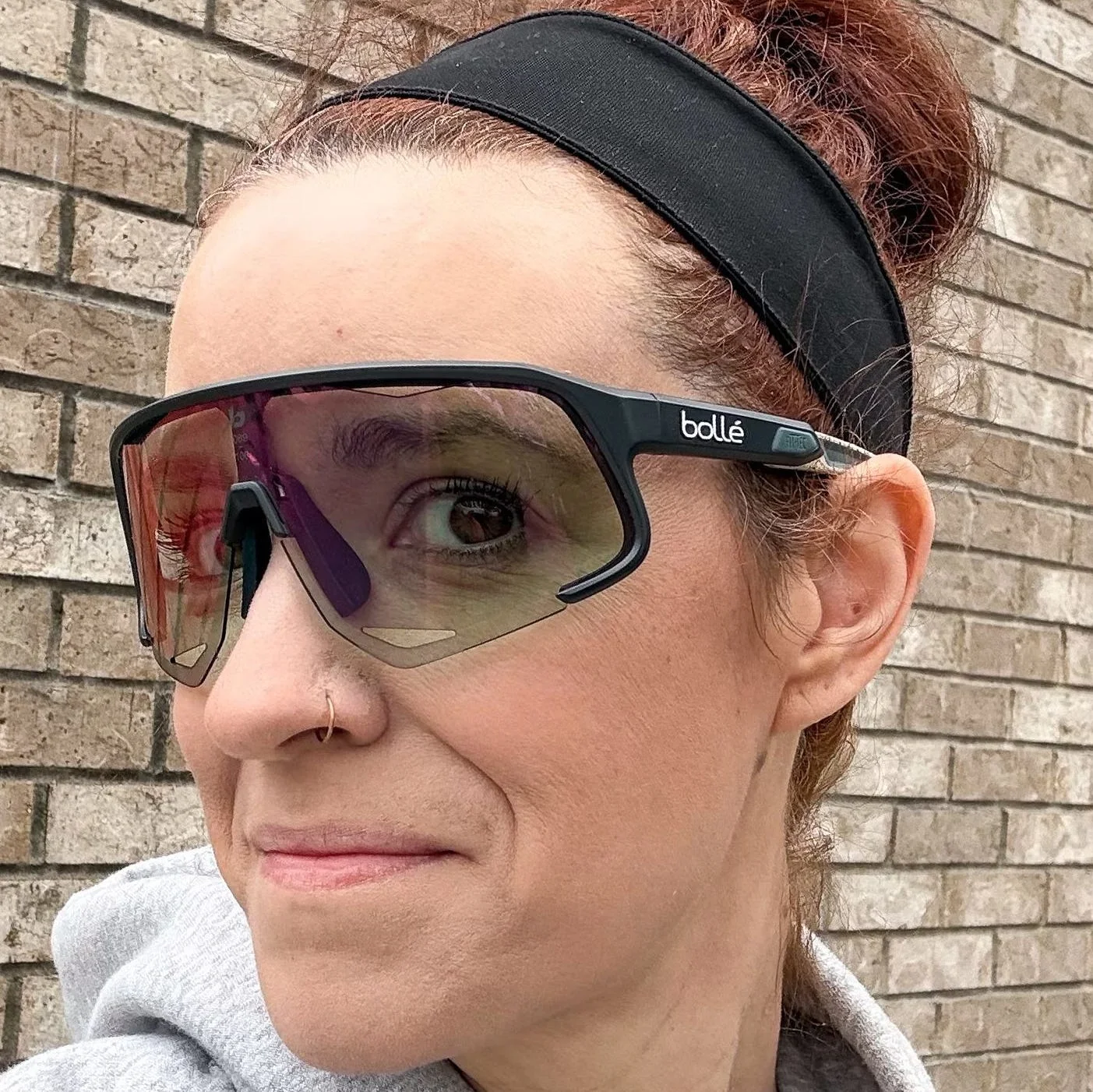
The Bollé Trailchaser has become my go-to on mixed sun-and-shade trails, and the specs are why. Start with the Phantom lens, which is Bollé’s most advanced photochromic lens that ranges from Category 0 to 3. That’s a full range, from near-clear in deep forest cover to solid UV protection on exposed ridge lines, and it adapts rapidly enough that the transition stops registering as a thing that’s happening on your face. The contrast enhancement and reduced visual fatigue helps you detect root or a rock edge on technical terrain much more easily.
The half-rim cylindrical shield gives you a huge field of view without the distortion you sometimes get with wrapped lenses (that wiggly look from the corner of your eye), and Bollé’s anti-fog mechanism keeps them clear even during high-output climbs when your face is basically a sauna.
The fit system is well done: Fit-Tec temples with 3-axis rotation, a Thermogrip nose piece, and adjustable temple inserts mean these conform to your face rather than you just making them work. And the vents on the sides are aces in the heat.
Pros
- Lightweight
- Extremely durable
- Look great
Cons
- Not for smaller faces
Key Specs
| Weight | 23 grams |
| Rx Option | No |
| Fit | Standard |
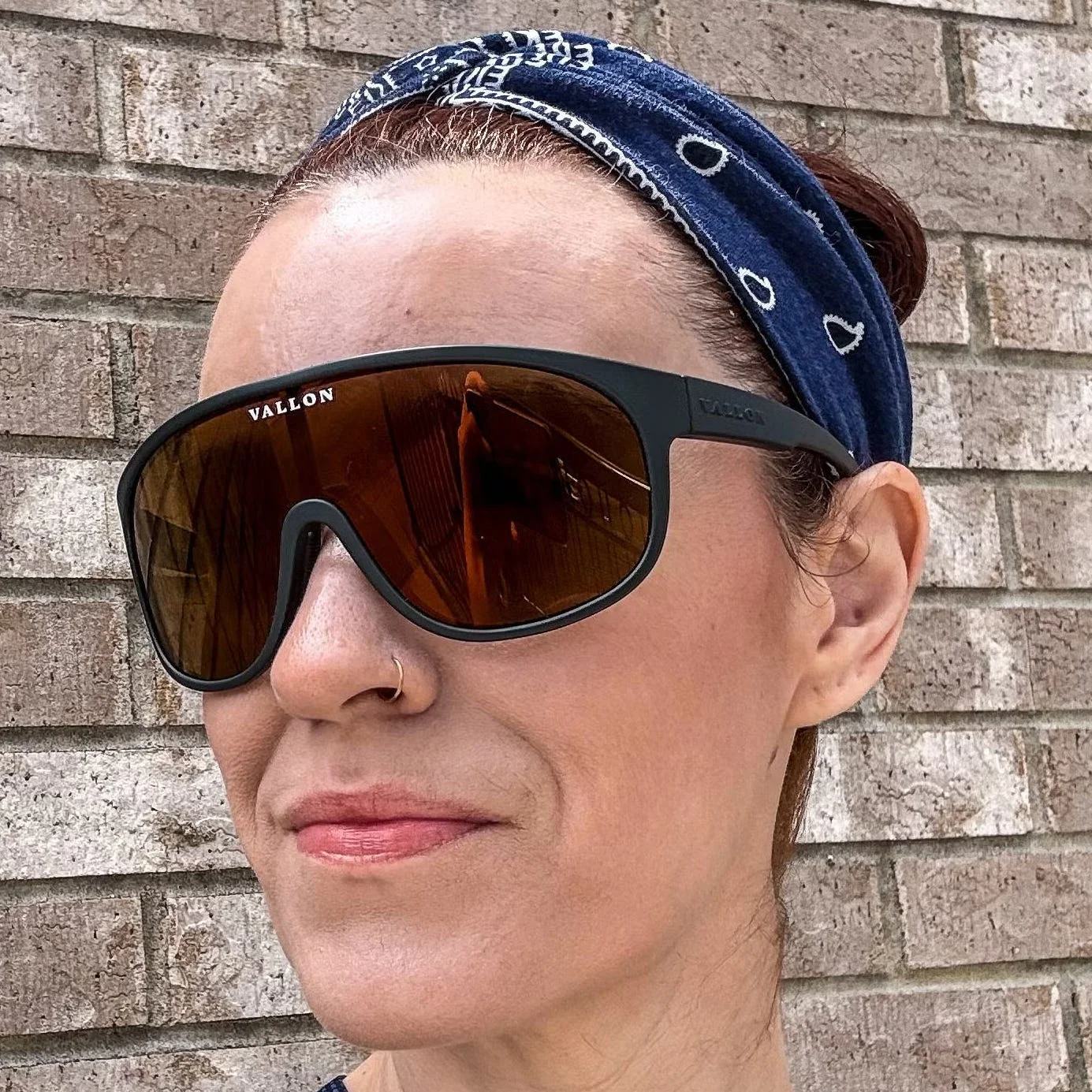
Full-sun track days have nothing on these glasses—nor do clumsy wearers. (Read: moi.) The Vallon Watchtowers run a single shatterproof polycarbonate lens developed with Zeiss—category 3 at 13- to 14-percent visible light transmission—which cuts nasty midday light and reflective glare without sacrificing optical clarity. Zeiss’s RiPel coating adds a hydro-oleophobic barrier that actively repels water and oil, so sweat and spray don't muck up your runs.
The durability story starts at the material level: frames are Nylon-6 built from 85 percent recycled fishing nets, which bends rather than cracks and absorbs impact rather than shattering. I stepped on these bad boys at full speed on a trail, and you could never tell. Plus? The fit is boss. They give you three interchangeable silicone nose pieces to dial in fit and ventilation, and the flexible temples conform to your head.
The weight—is the sleeper spec. They are basically unnoticeable on your face. I mean, 23 grams? Come on.
Pros
- Screwless, so no pinching
- Great coverage on top
- Light
Cons
- Not great for flatter bridges
Key Specs
| Weight | 24.5 grams |
| Rx Option | No |
| Fit | Standard |
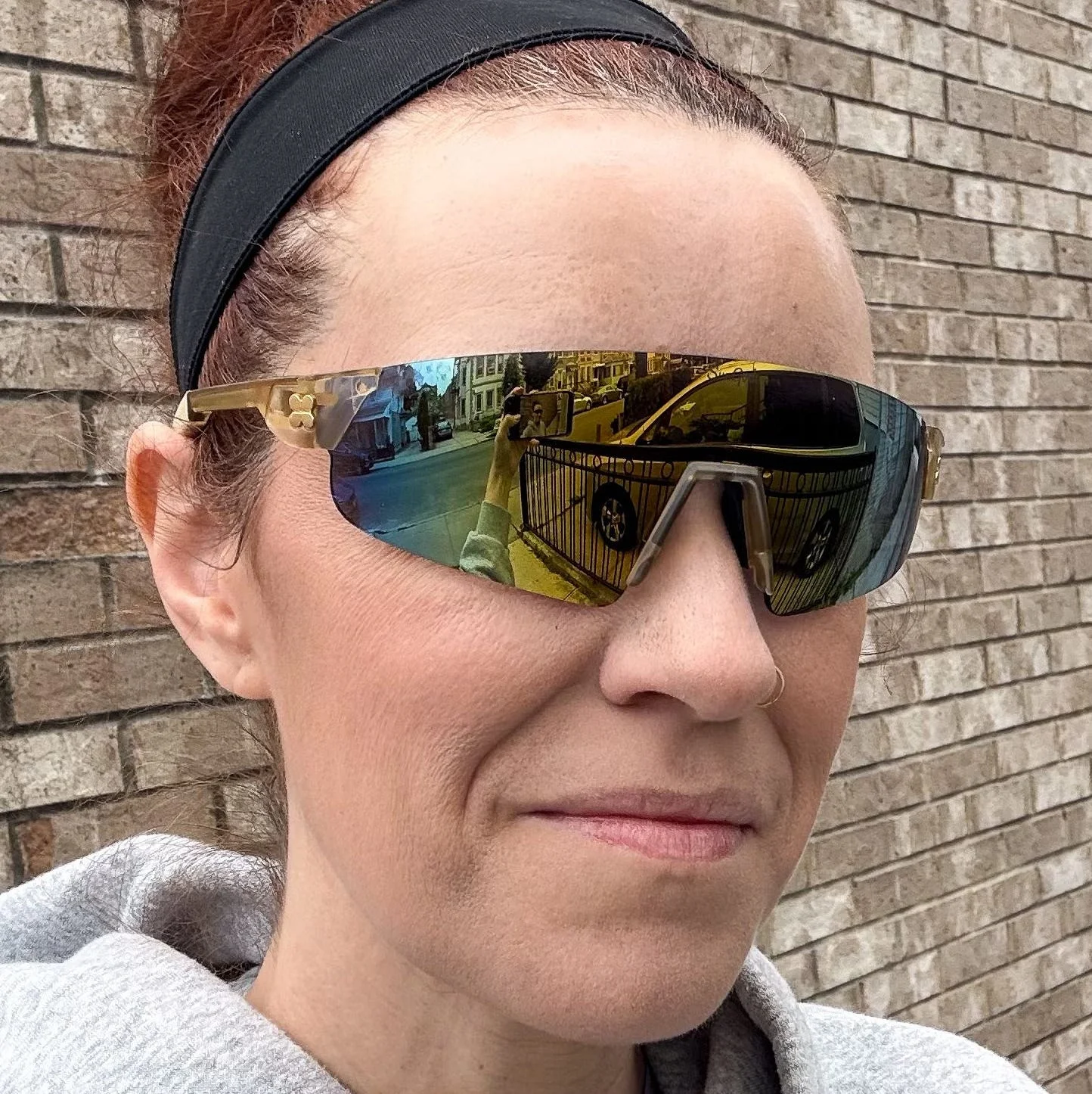
High-mileage days need glasses that disappear, and the SunGod Ultras Air—at 24.5g, their lightest frame yet—essentially does. The frameless, screwless construction is the detail that makes me sparkle heart love them: no hardware means no pressure points, no bits digging in on my temples, and there’s nothing to work loose mid-run. The spherical lens provides wide, uninterrupted coverage with 100 percent UV protection and genuine optical clarity, while Grip-Lock hydrophilic rubber on the nose pad and ear socks keep them on your face—for the most part. If you have a flatter bridge, these likely will not work for you. My husband has a wider, flatter bridge and they did not sit properly on his face.
The lenses are interchangeable and made from 100% recycled material. The whole thing is backed by a lifetime guarantee.
Pros
- Fun and sporty
- Great for low bridges
- Soft sides
Cons
- Not for narrower faces
Key Specs
| Rx Option | No |
| Fit | Standard |
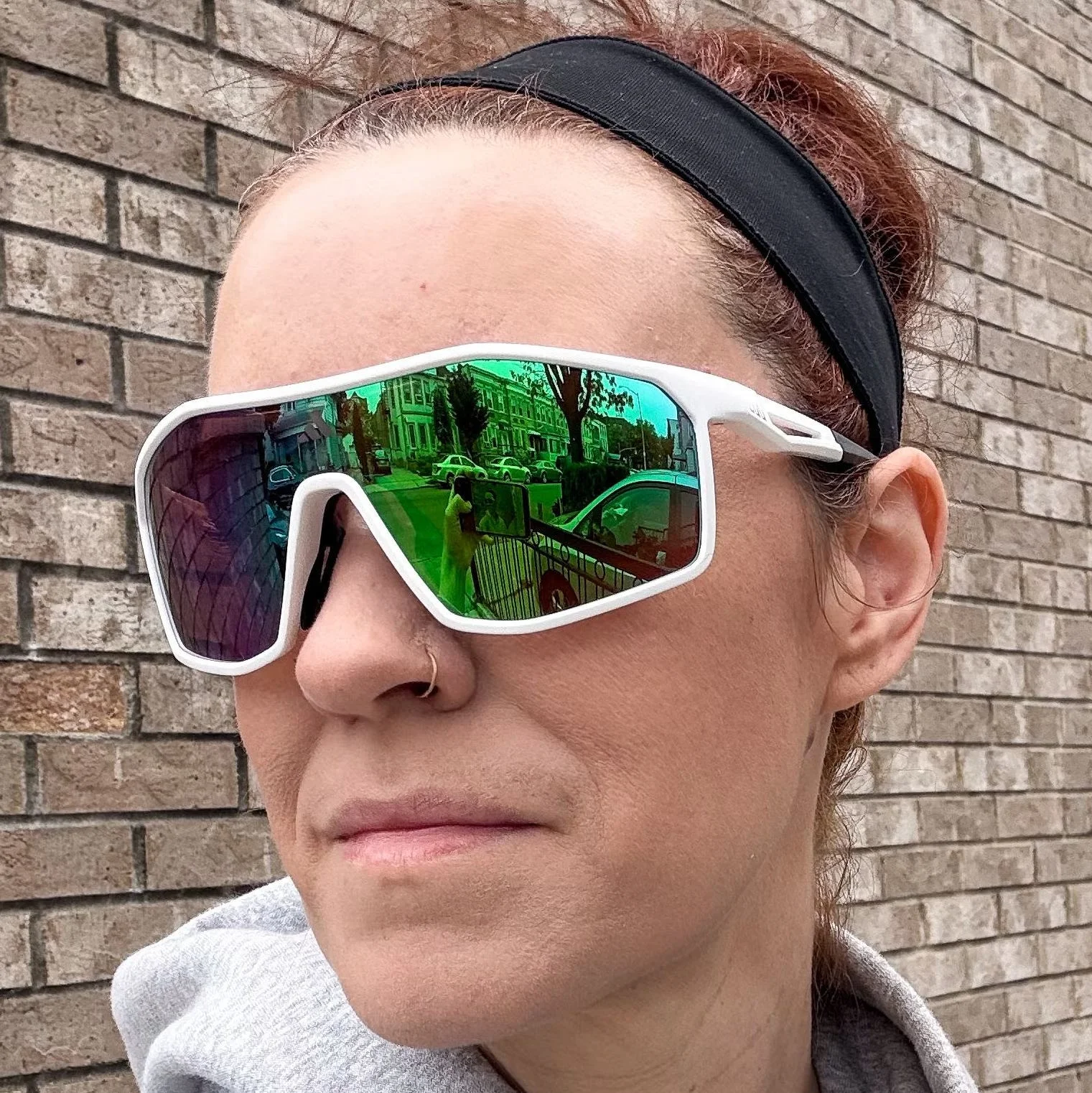
Finding sport sunglasses that actually sit right on a lower bridge is a whole thing—the Adidas SP0108 solves it quietly with a saddle bridge design and fully adjustable nose pads that let you dial in fit without the glasses riding too high or gapping at the sides. Cute frame, and great engineering that makes sense for more faces.
The wrap-around shield delivers a ton of coverage that protects against wind, debris, and peripheral sun, with lens treatments covering hydrophobic, oleophobic, anti-scratch, and anti-dust bases. The ventilation system keeps it from fogging when you’re sweaty and the molded rubber grip along the temples and those adjustable pads combine to fit well through technical terrain or hard full outs.
Pros
- Excellent polarization and lens coverage compared to similar styles we tested
- Lightweight with good grip for active use even on uneven trails we tested
- We have some wider heads that tested these and they were comfy
Cons
- On the flip side, smaller heads need not apply
- They can get pretty smudgy, especially if, like us, you touch your face a lot
Key Specs
| Weight | 41 grams |
| Rx Option | Yes |
| Fit | XL |
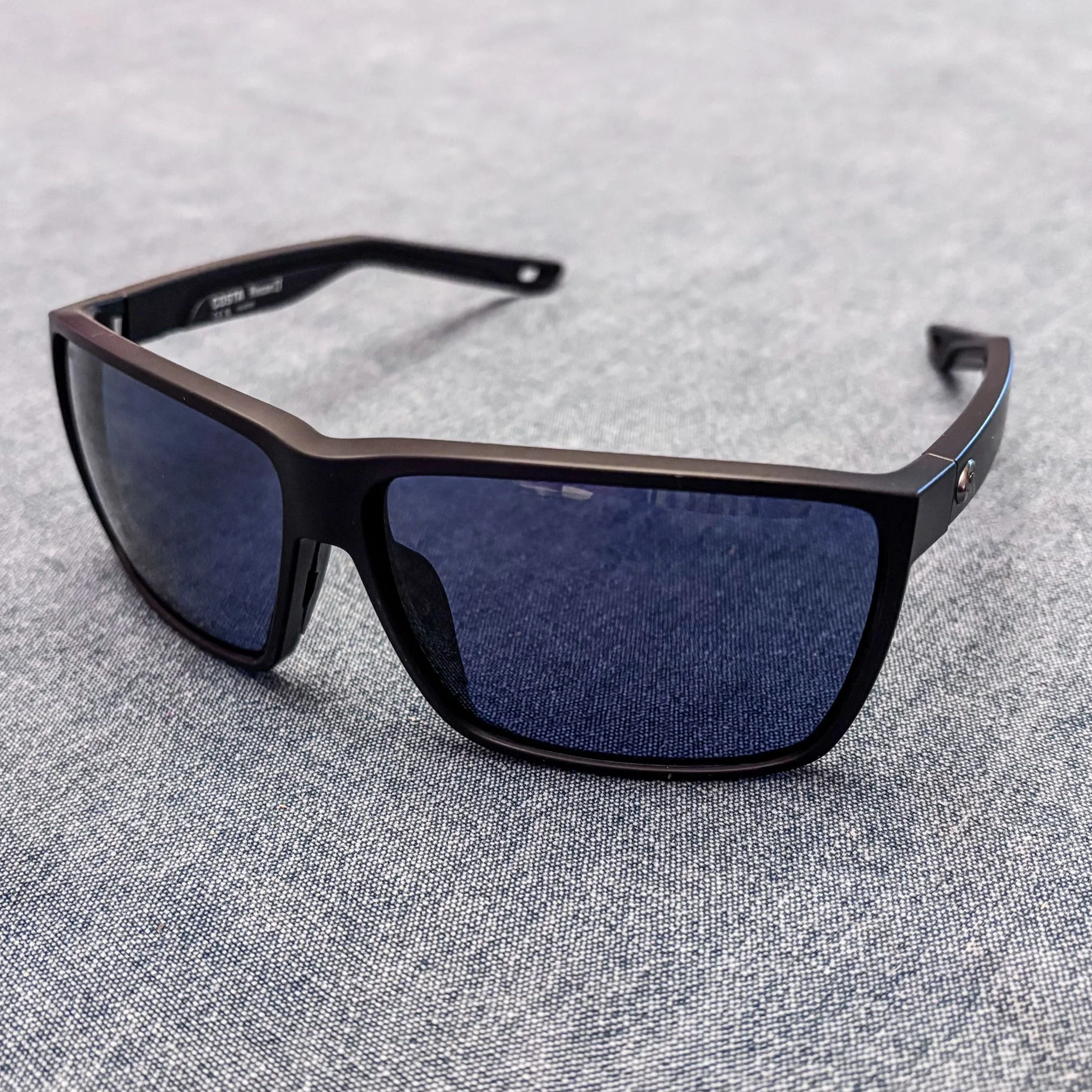
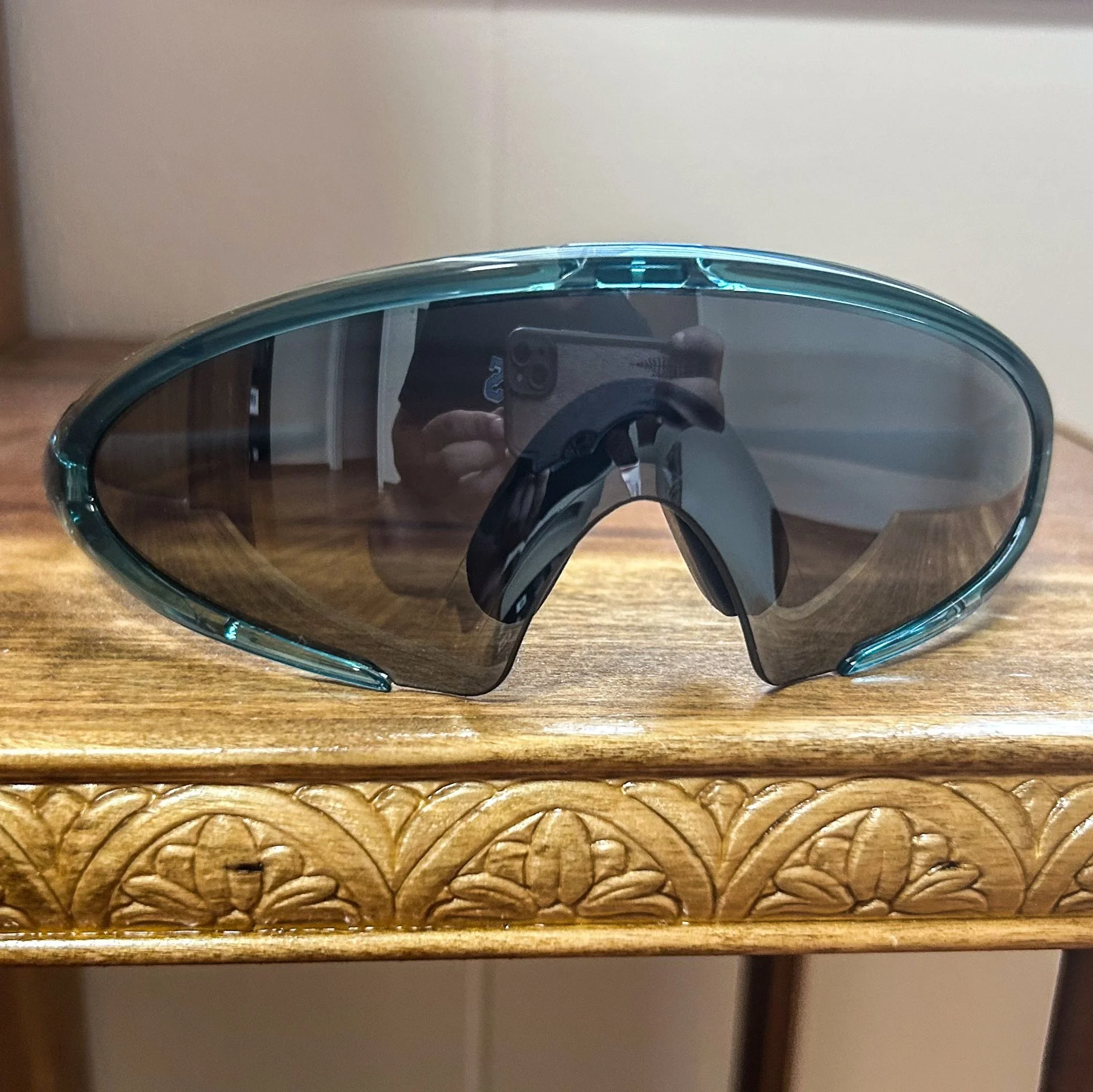
The Costa Del Mar Rincon II sunglasses were a big hit for Editorial Assistant Michael McDonough, who says they “far surpassed my expectations” with impressive performance and comfort on both road and trail runs. Their huge polarized lenses provide excellent glare reduction and near-complete coverage, while the rubber nose pads and temple arms ensured they “stayed put and refrained from slipping or bouncing,” even in intense heat and sweat. Although the simple design and large lenses may not suit every style preference, their lightweight fit and ventilation make them a top choice for runners seeking reliable, high-functioning sunglasses.
Pros
- We were impressed with the large peripheral coverage that prevents sunlight from seeping in
- Testers loved the grippy edges that hug the head wtihout causing migraines
- The shading on these is just right, even in areas with a lot of reflection
Cons
- We found a slight vertical bouncing due to front-heavy weight distribution
- What is up with the gap at the top if you have a high nose bridge?
Key Specs
| Rx Option | Yes |
| Fit | Standard |
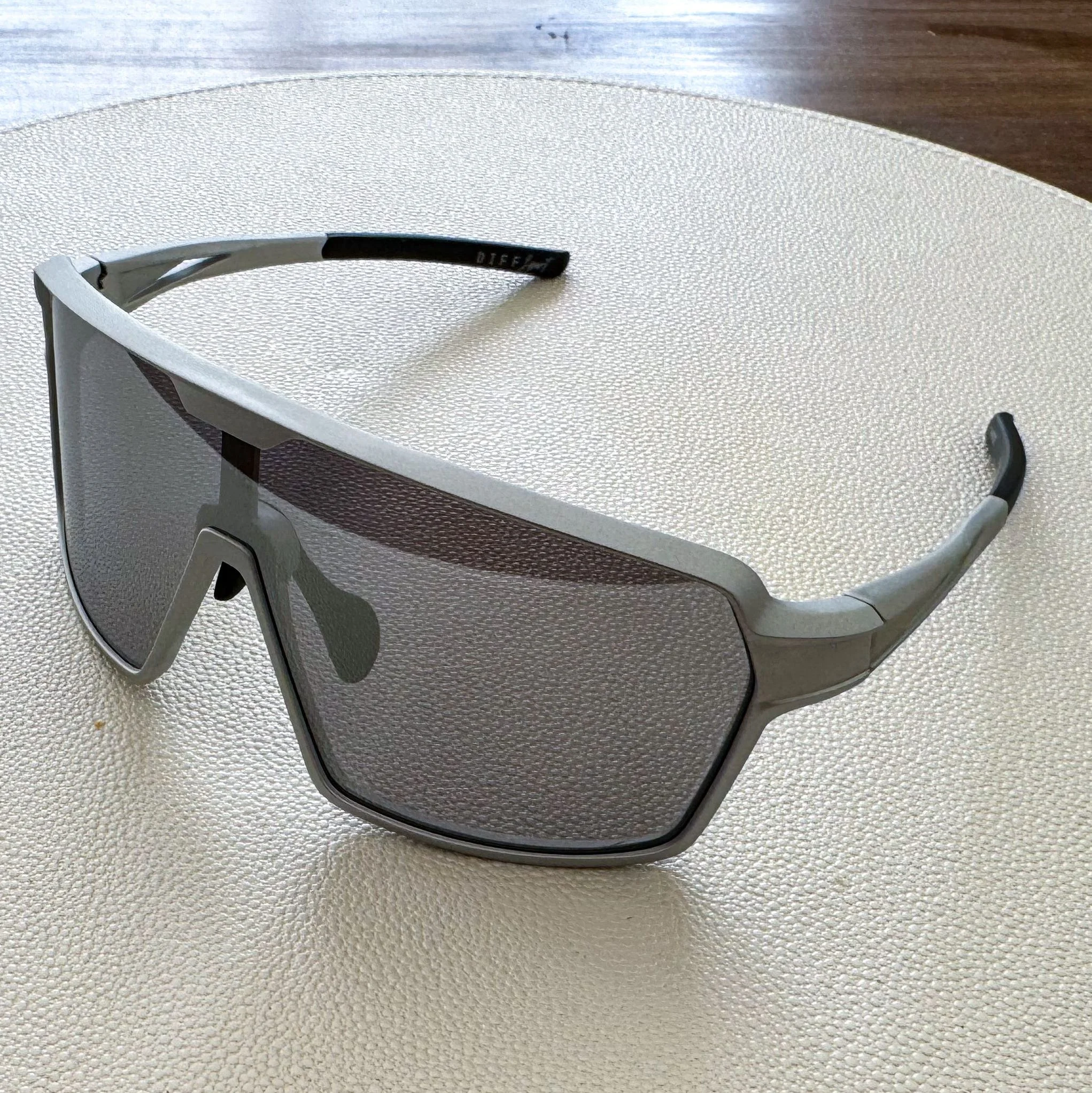
The Oakley Ellipse sunglasses deliver exceptional coverage with their extended peripheral protection, eliminating sunlight seepage. Tester James Prekopa praised the “zero squinting” experience on a 100+ degree run, highlighting the lightweight feel and secure, minimal bounce fit thanks to the “squishy & grippy nose bridge material.”
After a break-in period, the fit became more form-fitting, while the snug arms ensured zero movement. Minor cons include slight vertical bouncing due to weight distribution and excess space above the lenses. Overall, a great choice for runners wanting a balance between shield and everyday sunglasses.
Pros
- This pair has some of the widest field of polarized lenses we tested
- Lightweight frame keeps the sunglasses unobtrusive during athletic activity
- Our tester felt like a superhero wearing these because of the style
Cons
- Grip strength is lacking as per our trail running tester, leading to sliding and interference with ear-hook headphones
- The plastic frame feels “cheap” compared to higher-end brands, which may affect the perceived quality and durability.
Key Specs
| Fit | L to XL |
| Rx Option | No |
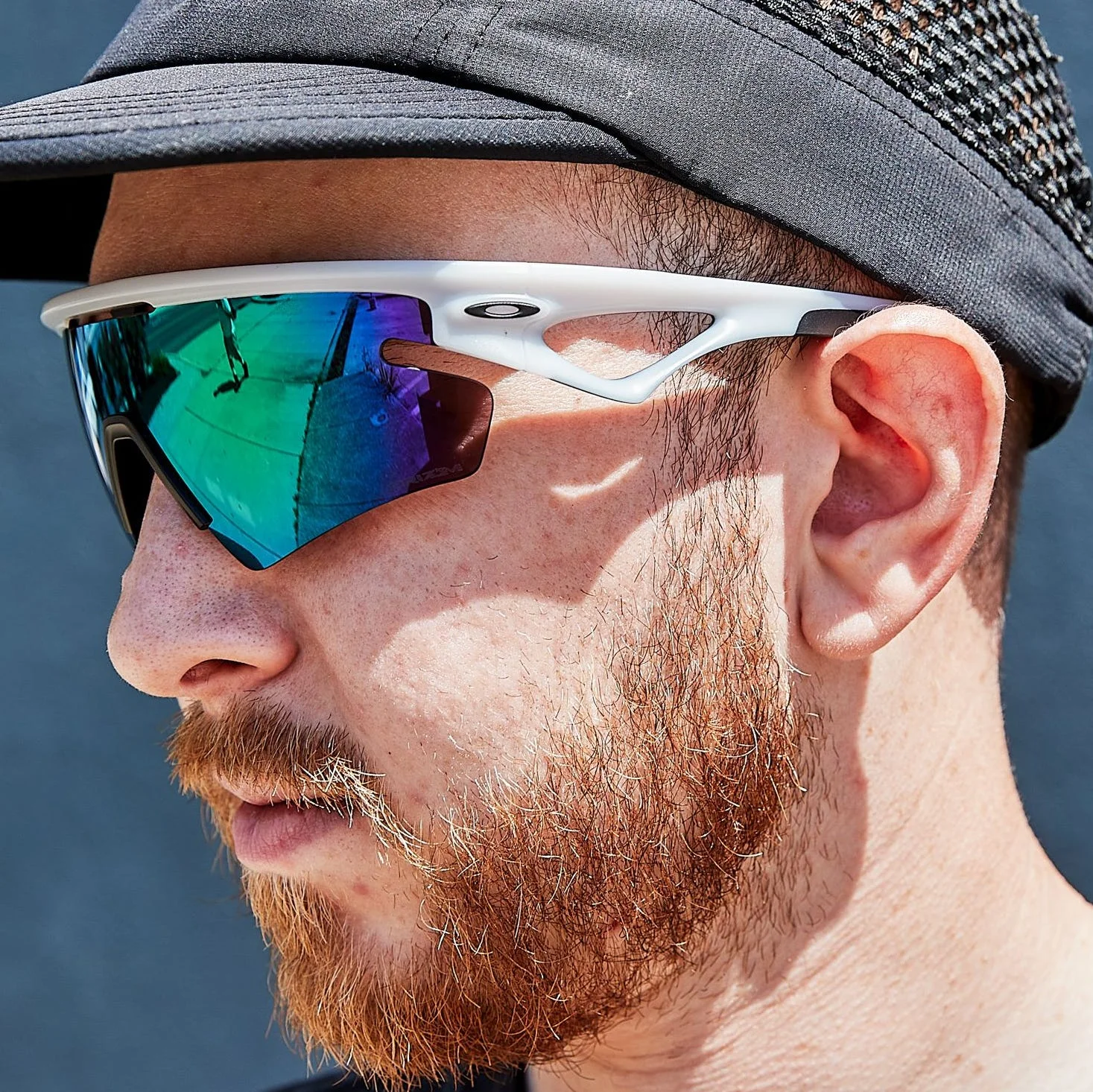
Matthew Rudisill, associate service editor at Runner’s World, raves about the Diff Charge sunglasses’ impressively “very large” polarized lenses that deliver an “excellent field of vision” while staying surprisingly lightweight and unobtrusive on your runs. They pack serious sun-blocking power and keep you looking bold out there.
While Rudisill mentions the grip could be a bit stronger—sometimes sliding when paired with PowerBeats Pro 2 headphones—and the plastic frame feels a bit “budget-friendly” compared to Oakley, these shades are a vibrant choice for runners who want style, comfort, and top-notch protection all in one. They’re perfect for those who aren’t afraid to make a statement.
Pros
- Our tester thought these felt so light he forgot he was wearing them
- Wide shield lens with vented browline offers excellent coverage and ventilation, helping reduce fog and sweat dripping on lenses
- Available with advanced Oakley Prizm™ lenses that enhance contrast and visual clarity; prescription-ready
Cons
- High-wrap design may feel snug or tight for users with very large heads
- All-plastic hinge construction raises some durability concerns for outdoor rugged use
Key Specs
| Fit | L to XL |
| Rx Option | Yes |
| Weight | 35 grams |
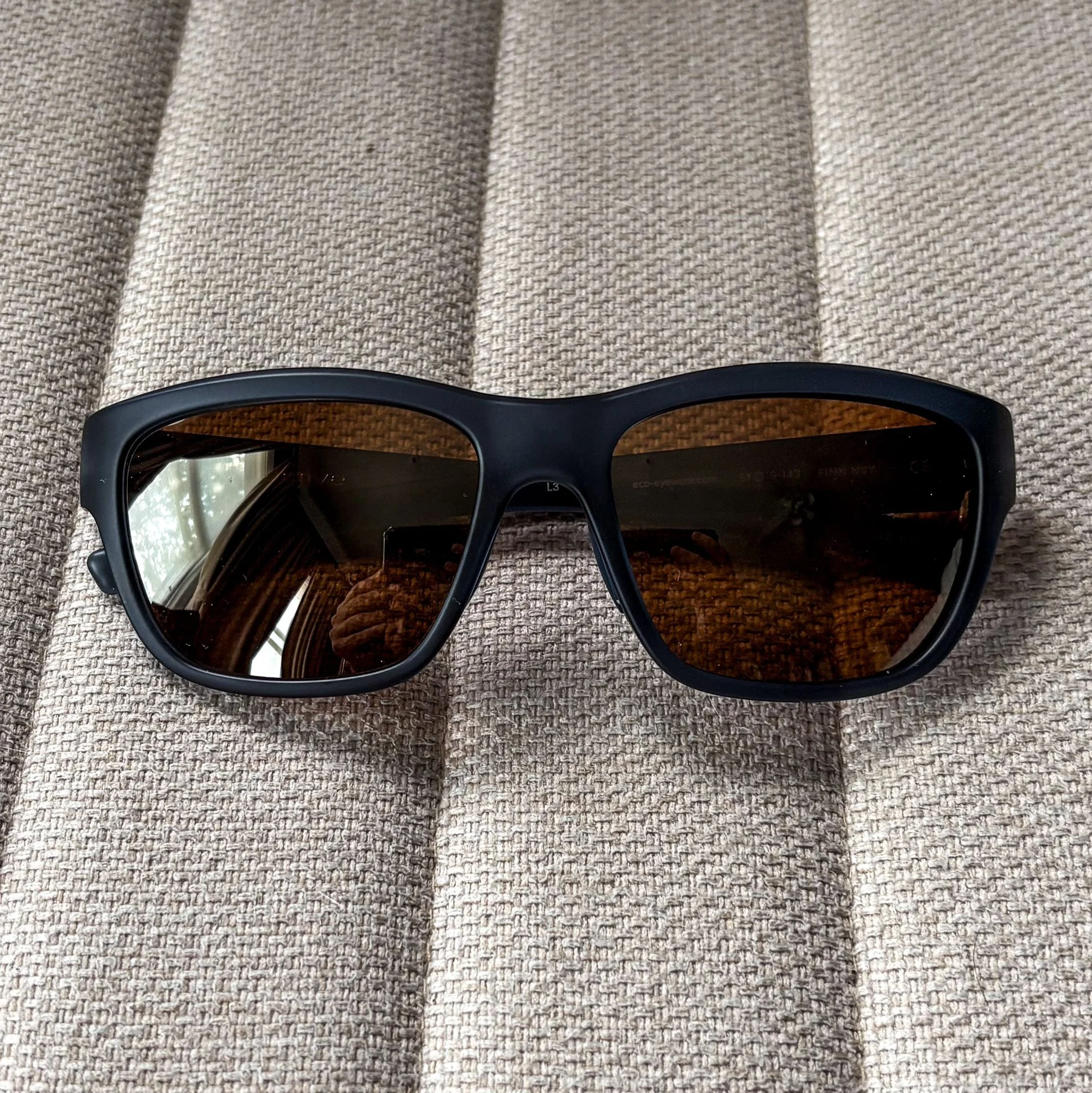
Digital Designer Tom Messina praises the Oakley Sphaera polarized for fitting “all-around without any adjusting” and delivering solid grip from the nosepads and temple tips, feeling light even on the hottest days. He notes their rising popularity in running communities and cross-functional appeal for cycling and running.
The unique “Slash” lens shape and front vent help reduce sweat dripping on lenses, a common annoyance. While comfortable and stylish with Prizm lens options, Messina expresses concern over the durability of the all-plastic hinges. Overall, a high-performance, lightweight choice for multisport athletes.
Pros
- Shape doesn’t collect sweat, keeping lenses clear and wearer comfortable
- Polarization is freaking amazing, as per our tester
- We like how these stood up to high intensity workouts without slipping
Cons
- Limited online data on exact weight and detailed technical specs may concern some buyers
- As an eco-friendly frame, durability under extreme conditions is less documented compared to sport-specific brands
Key Specs
| Fit | Standard |
| Rx Option | Yes, through opticians and EyeBuyDirect |
I tested over a dozen Eco sunglasses and I love the Eco Miller sunglasses for their instantly comfy, snug fit with no slippage, making them secure during any activity. I appreciate the smart design that doesn’t collect sweat thanks to the shape, keeping the lenses clear and comfortable. It’s the best polarization I’ve worn, and comes with the least glare. Combining sustainability with standout performance, the Eco Millers are a top pick for environmentally conscious athletes and everyday wearers alike.
Pros
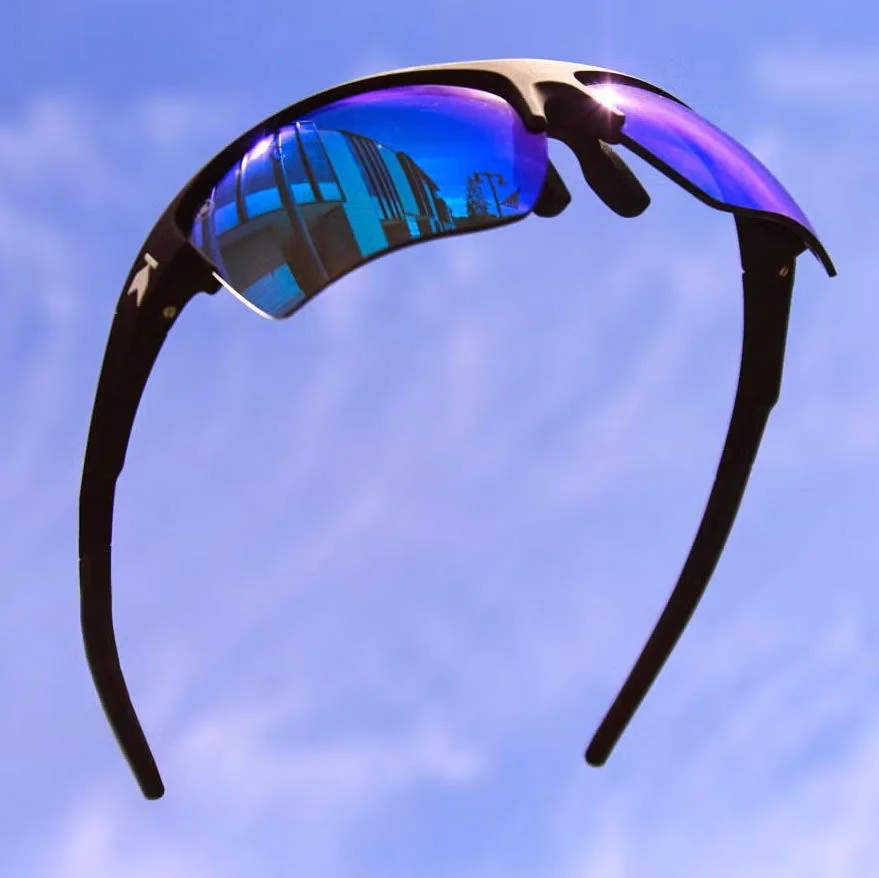
- Mirrored lens with UVA/UVB protection
- Nose gripper pads prevent slipping
- Lightweight frame
Cons
- Leaves indent on nose
Key Specs
| Rx Option | No |
| Fit | Medium, Large |
| Weight | 32 grams |
Editor Amanda Furrer loves the mirrored lens in her Knockaround Flight Paths. They have Knockterra+ Tech, which protects your eyes UVA and UVB rays, as well as enhances colors instead of dimming and dulling your world. The frame is remarkably lightweight at 32 grams (when you’re a runner, every gram counts). But the biggest win for Furrer was the nose gripper, which kept the shades from slipping during her runs.
Pros
- We were able to get these with an Rx for very little cash
- We tried them on different face shapes, and they were universally flattering if they fit properly
Cons
- Lens size is best for smaller faces like our tester
Key Specs
| Fit | Small |
| Rx Option | Yes |
| Weight | 22 grams |
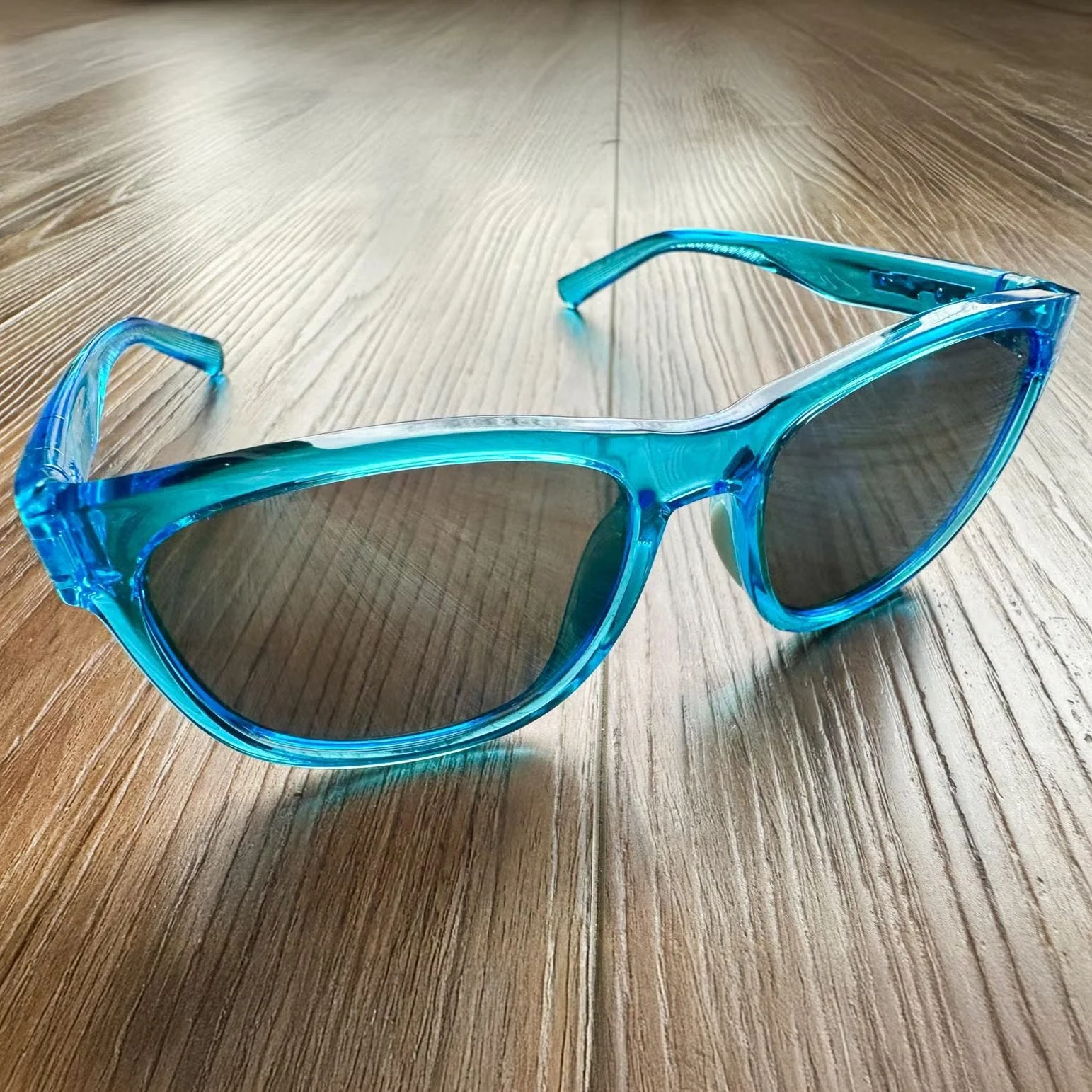
Tifosi has been making a strong name for itself in the outdoor lifestyle / performance market, and I love the blend of style and performance in their popular Swank line that includes affordable priced prescription options. The Swank is one of the brand’s best-selling models, with a classic wayfarer look and a wide range of lens and frame color options.
Tifosi offers this model in polarized and non-polarized, but I usually opt for the polarized version since it still comes in at a fraction of the cost of more expensive brands, all without sacrificing style or durability. Additionally, these sunglasses have hydrophilic rubber nose pieces for no-slip wear during sweaty runs, and it comes into play on hot days in bright sun.
The lenses are a durable polycarbonate with a high level of shatter-resistance and scratch-proofing, and I found them to be more durable than the Good’r OG. The only thing I noticed, though, was that they look best on smaller faces and are more narrow than the Good’r.
Pros
- Adjustable nose piece helps dial in fit
- Same features as original Dunamis, just sized down
Cons
- Extremely technical style isn’t versatile for non-running wear
Key Specs
| Fit | Small |
| Rx Option | No |
| Weight | 28 grams |
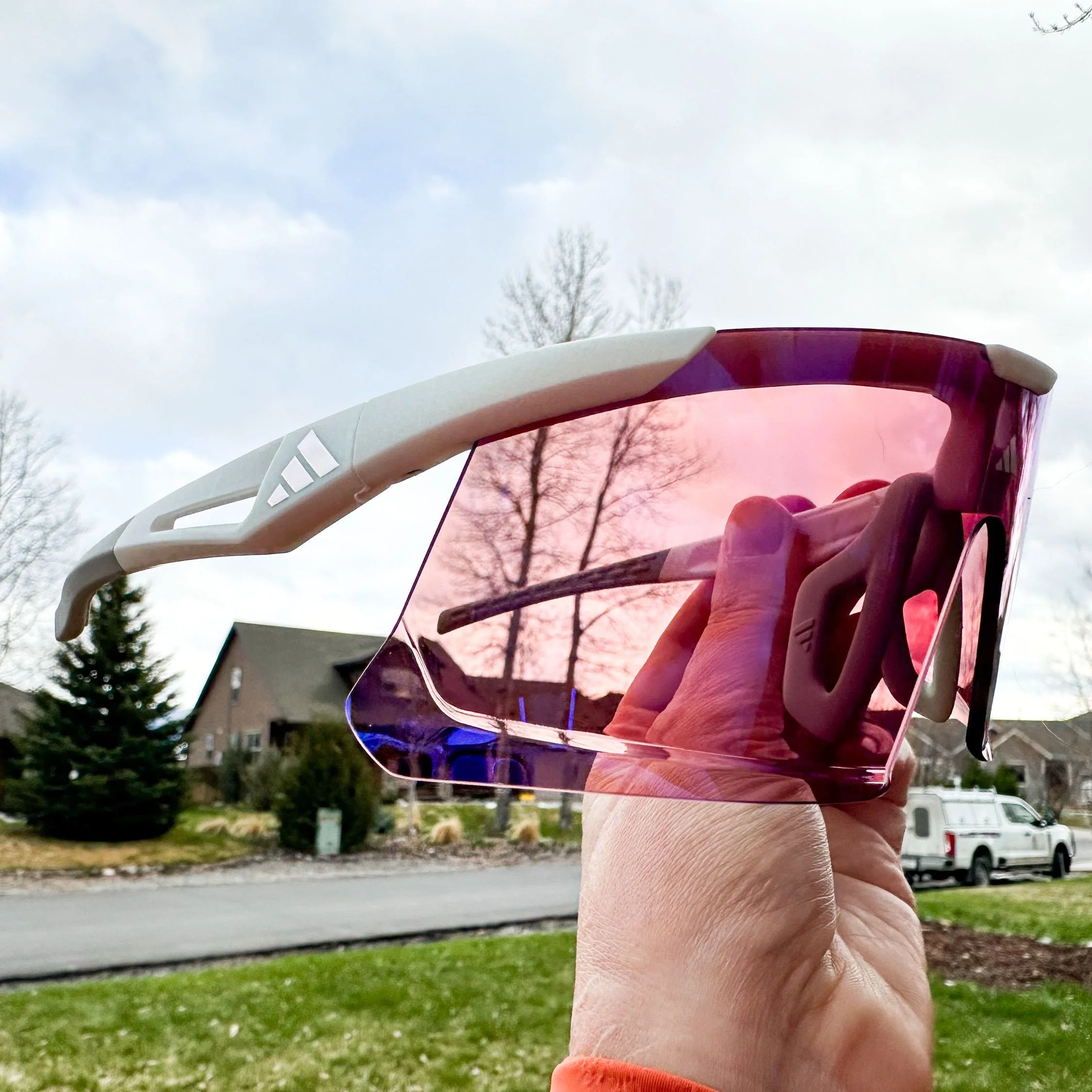
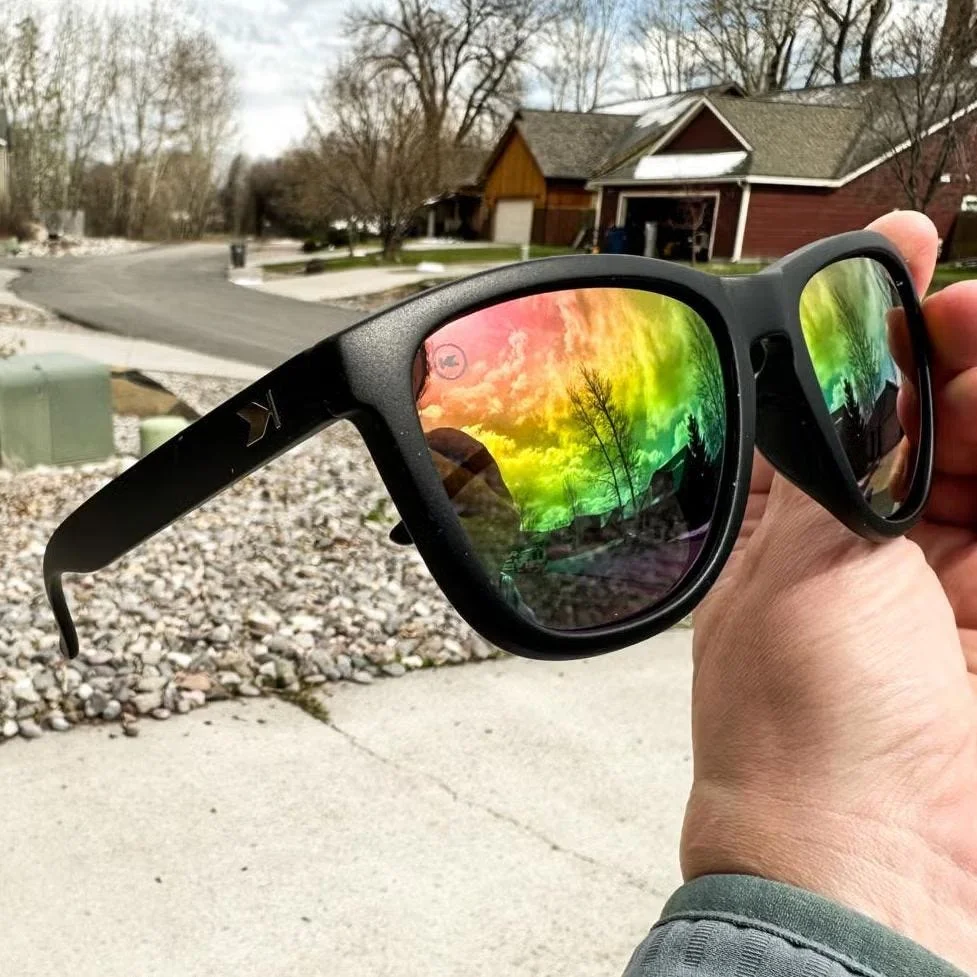
Adidas just released the “S” version of their popular Dunamis Evo, created to better fit smaller and more narrow faces. This is especially helpful for such a technical pair of sunglasses where a feature-conforming fit is even more important for speedwork or on bouncy trails. For this latest update, Adidas added a stability bar across the frame to help keep these in place, and a fully adjustable nose piece to dial in the fit.
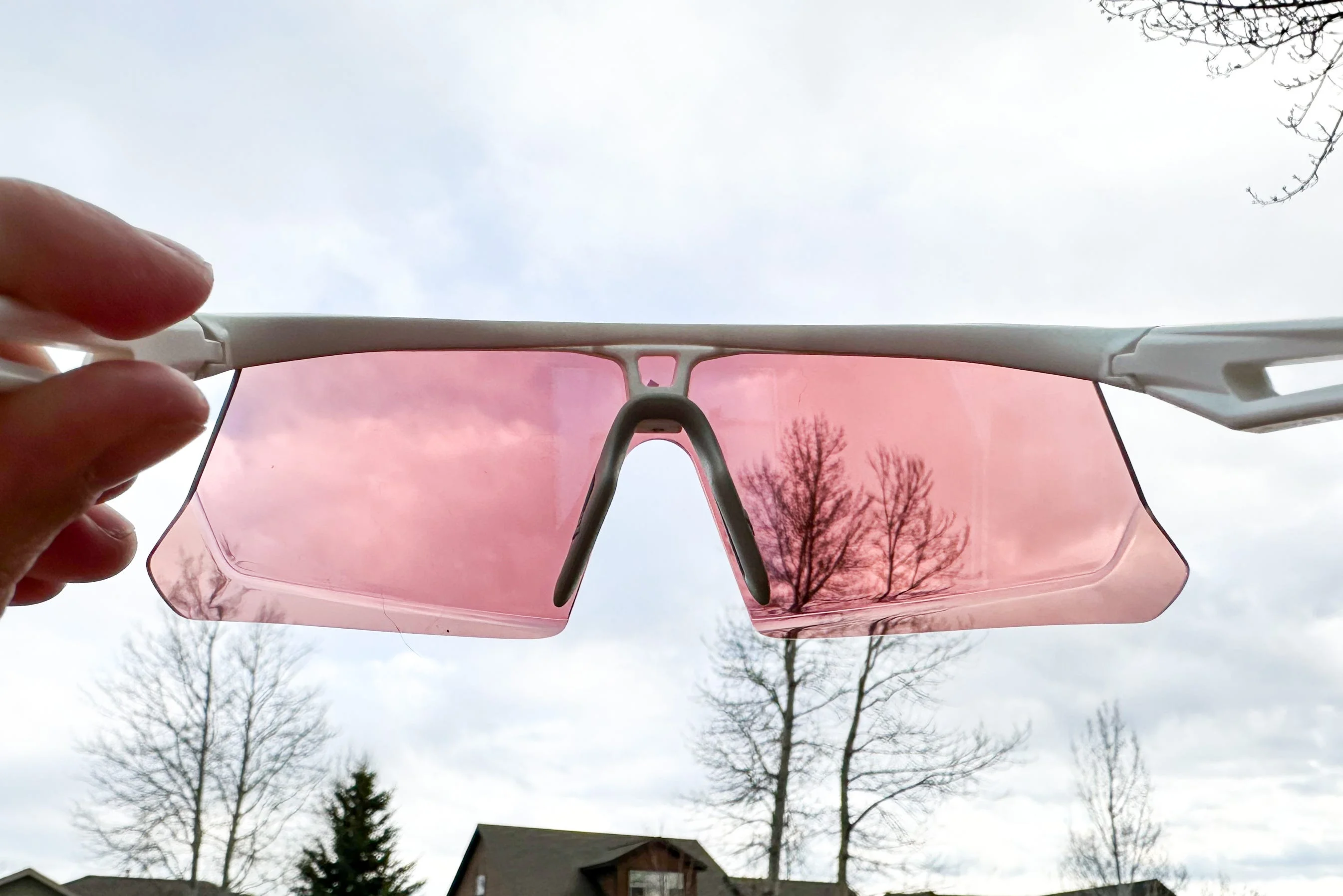
These have better airflow than other wraparound sunglasses due to dedicated venting at the top of the lenses, and the slots at the temples also help discourage fogging by increasing airflow. The anti-glare treatment helps these perform well in variable light and prevent warping, so they’re great for speed work and running downhill on trails with funky footing. Just note that its style is far more suited for running, so it isn’t the best pair of sunglasses for casual settings.
Pros
- Huge array of color selection, plus custom options
- Wayfarer style for smaller faces
Cons
- Polarized lenses aren’t the best for trail running
Key Specs
| Fit | Standard |
| Rx Option | Yes |
| Weight | 25 grams |
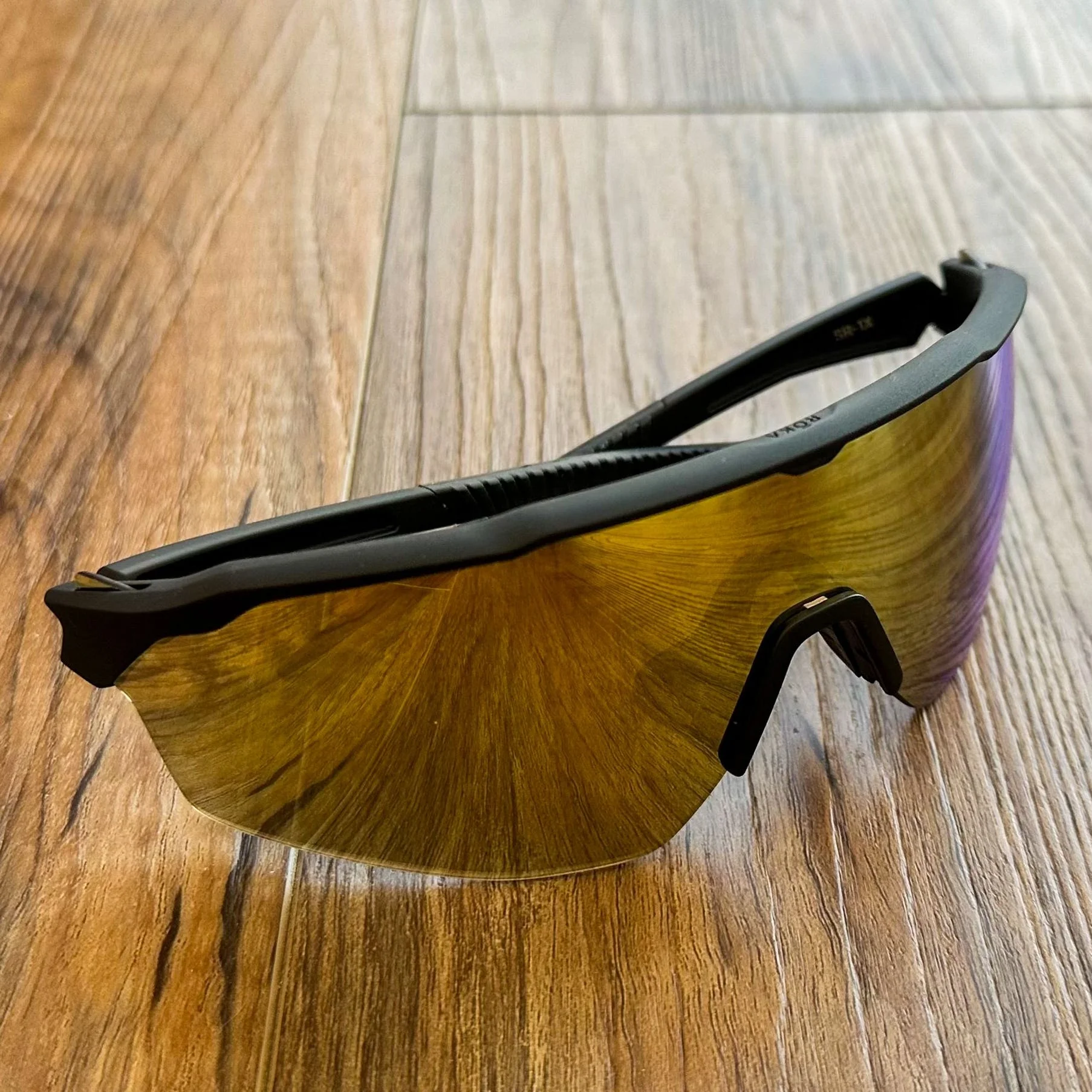
I really like how much variety you get with these sunglasses. Not only are they available in a variety of colors, you can also design your own combination to make a truly custom pair of shades. While less technical than the Roka and Adidas (but more durable than the Good’r), these strike a nice balance between fun and performance thanks to the polarization and slide-resistant rubber on the nose piece. And at under $40 for the pair, they’re kind of a steal.
We found that these fit better on smaller faces than similar Wayfarer styles, and I appreciate the impact-resistant lenses for biking around. The lenses hold up fairly well to scrapes and dings, though I still try to keep them in their cloth case whenever I’m not wearing them.
Since these are polarized, I wouldn’t necessarily wear them for trail running since the polarization can affect depth perception. Despite this, I love them for road running and they look great in town as well. If you want to skip the build-your-own, you can shop the brand’s wide array of ready-to-ship styles here.
Pros
- Customizable sizing for a range of head sizes
- The grip is excellent in rain, bumpy trails, and sweaty runs
Cons
- Expensive and fairly technical looking
Key Specs
| Fit | Small-large (customizable) |
| Rx Option | Yes |
| Weight | 25 grams |
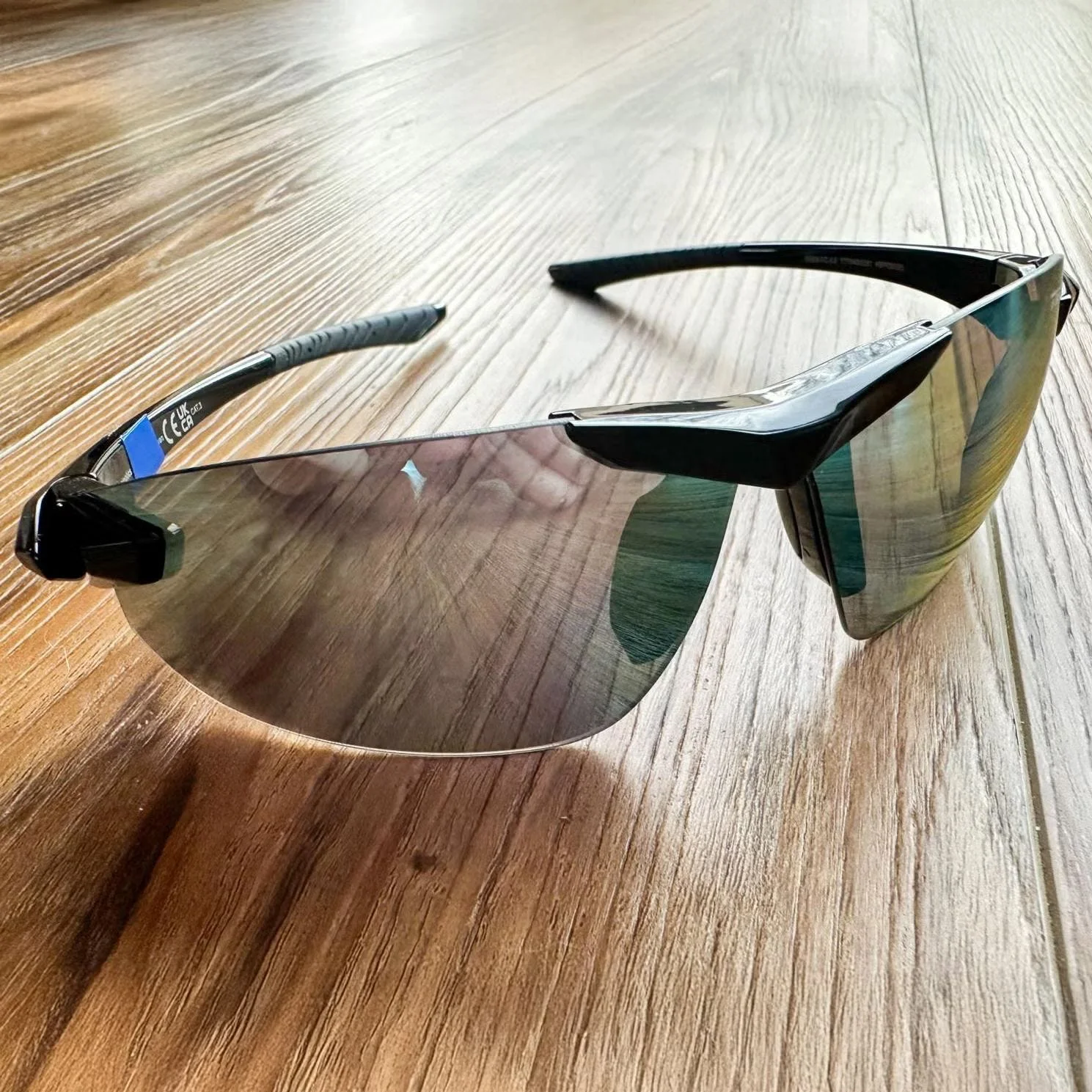
Though they run more expensive than others on this list, Roka has a reliably high-performing lineup of sunglasses that have made our top picks year after year. They offer styles in options like aviators and full wraparounds, and have a premium design and feel for serious runners. The SR-1X is also highly customizable, and fits both smaller and larger faces.
These are definitely some of the grippiest sunglasses our team tested. This pick uses the brand’s “Geko” elastomer compound that feels softer than some other nose and temple rubber. This rubber also gets even more sticky when faced with dripping sweat or high levels of humidity.
Roka is generous with this rubber, using it to line the ear pieces, temple arms, and nose pad. The yellow lens our team tested is excellent for contrast and is reminiscent of low-light lenses for skiing.
Pros
- Lightweight without feeling flimsy
- Great for multisport use like running, biking, and racquet sports
Cons
- The technical look isn’t versatile for non-sport use
Key Specs
| Fit | Small |
| Rx Option | Yes |
| Weight | 26 grams |
These are incredibly lightweight but sturdy, and the frames don’t feel flimsy like some other ultralight pairs. Plus, the polycarbonate lenses are shatterproof and provide excellent clarity and full UV protection. These fit well on smaller faces, but they look goofy on any male tester, and don't have the coverage of the larger lenses like the Koo Nova.
I’ve also tested the polarized option which helps ease eye strain on bright days, and I swap out which pair I’m using based on conditions and location (if I’m running near water or on snow, the polarized tend to work better). Lastly, I appreciate the functionality of the heftier frames. While they aren’t my first choice for town wear, they get the job done while running.
How To Choose Sunglasses
Why Trust Us
Runner’s World has been vetting and reviewing running gear and tech for nearly 50 years. Our gear and apparel recommendations range across categories like running shoes, headlamps, layering systems, and more, all of which are based on data, testing notes, insight, and input from our test team, editors, and expert contributing writers. For this roundup, I used recommendations and notes from the Runner’s World test team.
FAQs
Become a Stronger Runner With These Exclusive Training Programs




Cat Bowen, senior editor of commerce; reviews, is a seasoned runner with more than 20 years of distance running experience, including dozens of marathons, half marathons, and even a few ultra marathons. For over a decade, she has tested parenting, fitness, home, and running gear and written in-depth guides to help readers with their next purchase. Holding multiple advanced degrees and currently studying kinesiology, Cat Bowen brings research-backed insight to all of her guides. Passionate about women’s health and neurodivergent inclusion, she advocates for closing research gaps and helping others—especially AudHD people—find joy in running and fitness.

Amanda Furrer, Editor, Running Reviews, studied journalism at NYU and writing at Emerson College. She has reviewed gear and covered other topics in the running space for almost 10 years. Since 2013, she has consecutively run the Boston Marathon. She also has a master’s degree in gastronomy from Boston University and was formerly a professional baker for two years before hanging up her apron.