The Best Heart Rate Monitors Give You the Most Accurate Training Data
Tracking your heart rate with a heart rate monitor (HRM) during your runs is one of the most powerful ways to optimize your training, whether you’re a dedicated marathoner, power triathlete, or just aiming to move more intentionally. As a runner, I understand that my heart rate is important, but I don’t necessarily understand using it as a training device. That’s why I reached out to an expert to find out why it’s important and how to use that data.
As exercise physiologist and run coach Alyssa Lombardi tells Runner’s World, “Monitoring your heart rate while training can be a great tool to help you understand how hard your body is working. It’s important for a balanced training program to have lots of easy recovery days where your heart rate is low, balanced by some harder intensity workouts where your heart rate is high.” Understanding and utilizing heart rate zones—ranging from zone 1 (very light) to zone 5 (maximum effort)—can help you tailor your training for performance, endurance, and recovery.
While zone 2 running gets plenty of buzz as the golden ticket for endurance building and recovery, Lombardi emphasizes that “all zones have their place in a training program.” She also notes an important caveat: “As an exercise physiologist I can understand the benefits of heart rate training but when I am coaching my athletes I do not have them follow heart rate based training to a T because your heart rate can vary so much day to day.” Lombardi lists how factors like heat, hydration, location, and medications can change your heart rate. “It is a great tool to have but I never have my athletes follow that 100 percent.”
This nuanced approach is critical—HRMs are invaluable tools, but their data should be viewed in context. Each athlete responds differently, and some exceptionally fit runners may see higher heart rates at lower intensity simply because their bodies have adapted to efficiently sustain greater workloads.
As a side note, these are largely HSA/FSA eligible, so you might not be out-of-pocket for the cost. Just check your eligibility, and keep those receipts.
Best Heart Rate Monitors
- Best Overall: Polar H10
- Best Value: PowrLabs HRM
- Best Comprehensive Metrics: Whoop 5.0
- Best for Women: Garmin HRM Fit
- Best Ring: Oura Ring 5
- Best Watch: Apple Watch Series 10
🏃♀️ Meet the Expert: Alyssa Lombardi
Alyssa Lombardi is a certified personal trainer, run coach, and clinical exercise physiologist with more than six years of experience. A former collegiate runner with a master’s in exercise science, she coaches athletes of all levels through her business, Run Fit With Me. Lombardi emphasizes individualized training, injury prevention, and strength work, blending evidence-based science with real-world experience to help runners get faster, stay healthy, and achieve their goals.
Full Reviews

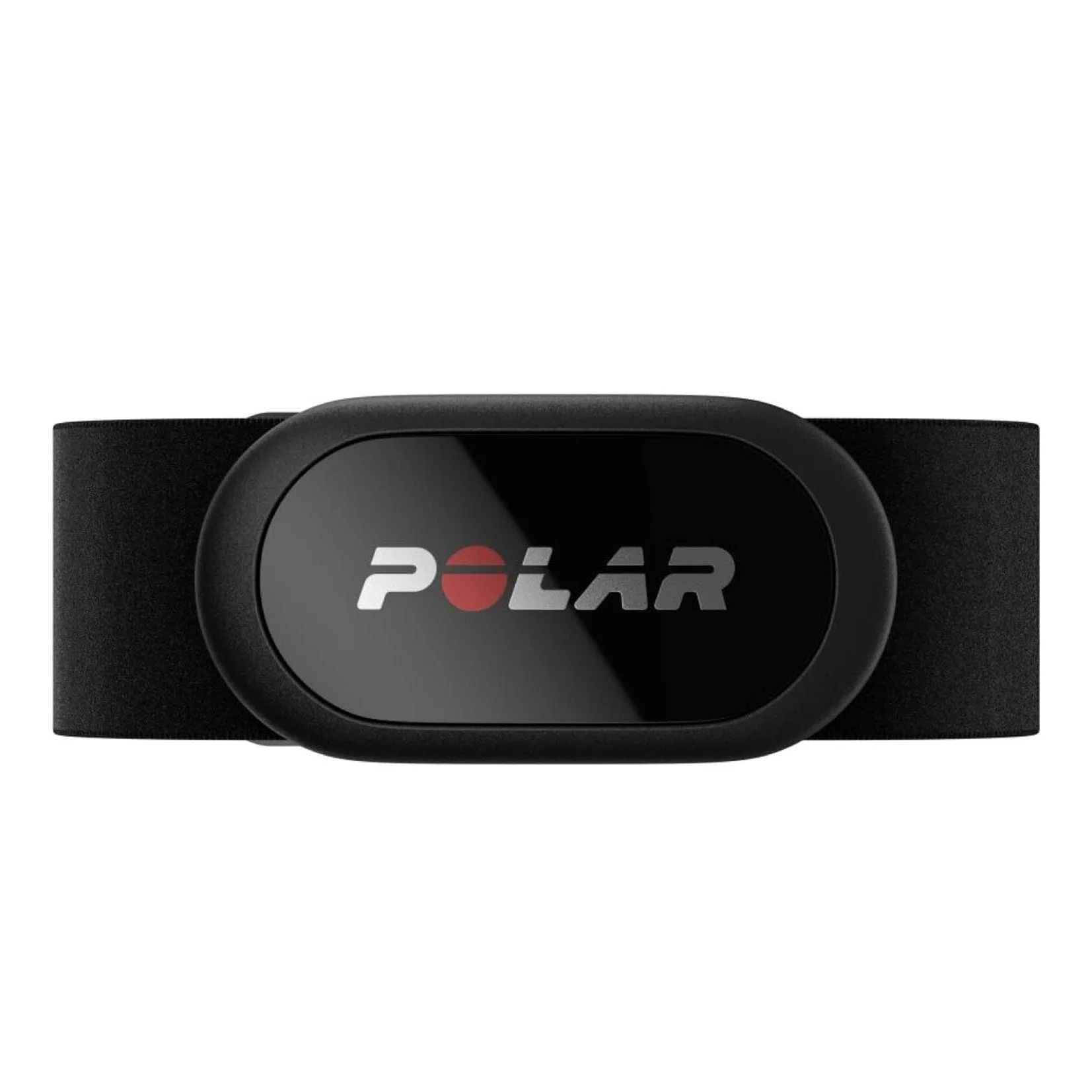
Pros
- Really accurate tested against a Holter monitor
- The strap is soft, grippy, and once adjusted, I barely notice it’s there on long runs
- Waterproof
- Dual bluetooth

Cons
- With more supportive sports bras, getting it to sit right can be finicky
- On hot runs, the strap can shift slightly if my bra band gets damp
- The Polar Beat app feels outdated
- My hairy beast of a brother said it tugged his fur shirt when he was running

The Polar H10 stands out as the best overall heart rate monitor for its unmatched accuracy and comfort. Its ECG technology delivers precise data, making it a favorite among serious athletes. The soft, non-slip strap comes in multiple sizes, but women should note it can be a tricky fit with some supportive sports bras—though it works comfortably under lower-line running tank bras. Men with chest hair have mentioned a slight pulling sensation, but most find it secure once adjusted. With long battery life, waterproofing up to 30 meters, dual Bluetooth connectivity, and onboard memory, it’s a reliable companion for any training style.
Powr Labs Heart Rate Monitor Chest Strap
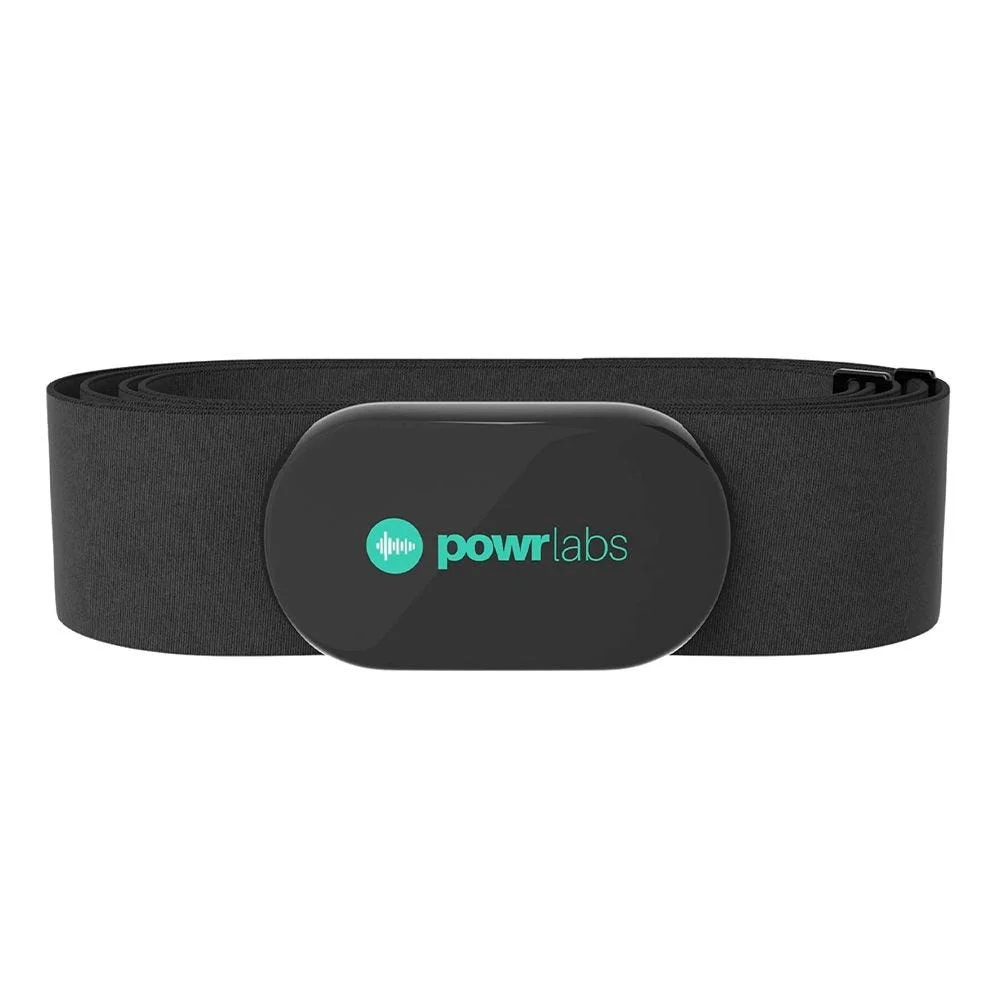
Powr Labs Heart Rate Monitor Chest Strap
Pros
- Great price
- Comfortable and stays put
- Dual ANT+ and Bluetooth made syncing with my Garmin and phone apps easy
- It’s water-resistant enough for quick water exposure
Cons
- The sensor is a bit bulky and sticks out more than I expected on my chest
- It’s water-resistant but not fully waterproof
- Some days the strap felt not-so-comfy, especially during longer sessions
The Powr Labs Chest Heart Rate Monitor offers solid performance for a fraction of the price of premium brands, making it a great budget-friendly option. I found the strap to be comfortable and adjustable, though the sensor is a bit bulky. Its dual ANT+ and Bluetooth connectivity worked seamlessly with my Garmin and smartphone apps.
While it’s water-resistant, I’d avoid prolonged swimming sessions. It tracks heart rate reliably across different workouts, from running to CrossFit. The strap fits well on me, but it might feel a bit tight or loose for some depending on body shape. Overall, it’s a dependable, no-frills monitor that gets the job done without breaking the bank, especially if this is your first foray into HR training.
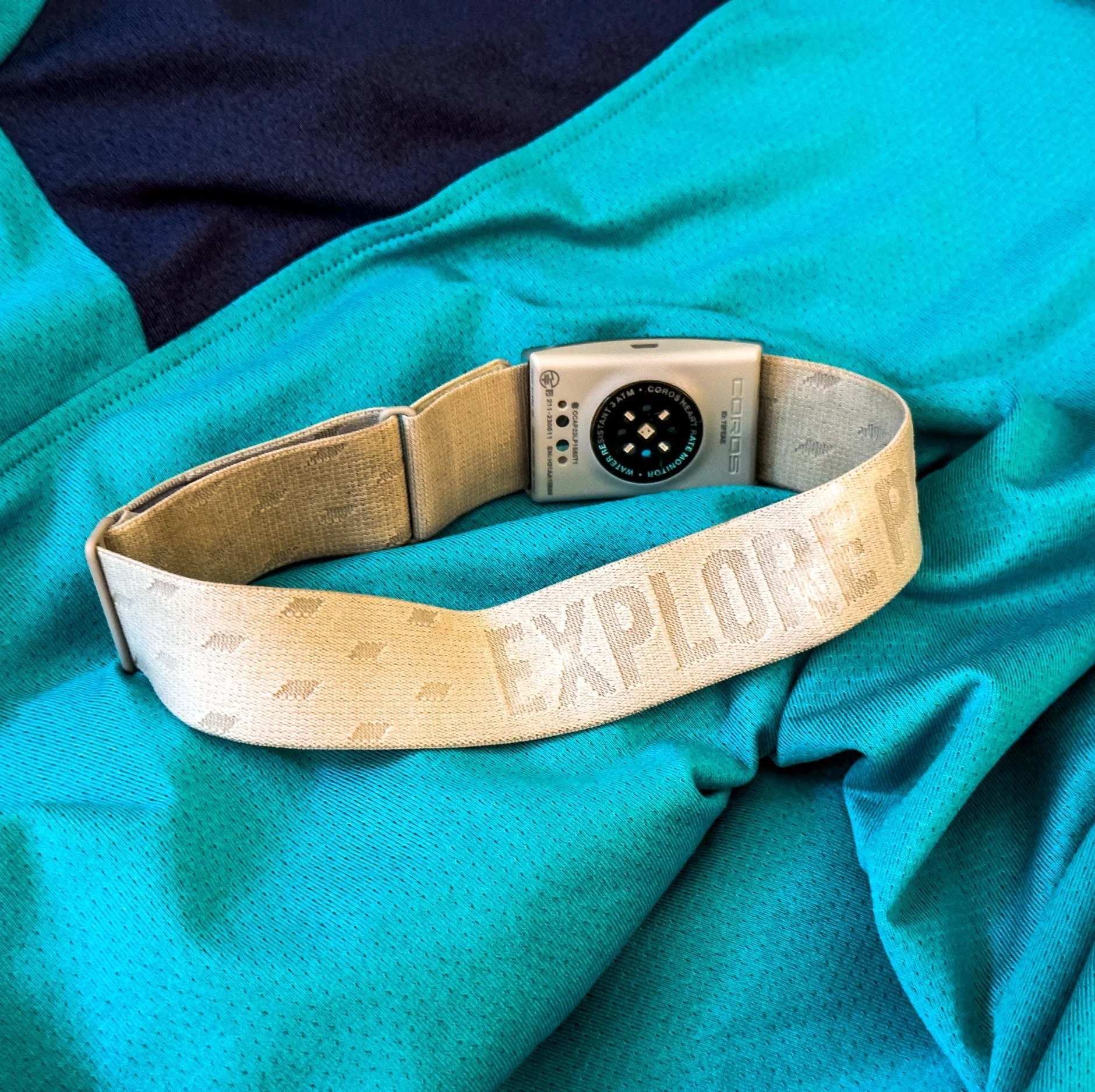
Pros
- I love how comfortable and soft the band feels
- No chest strap pinching or awkward sports bra adjustments
- Reliably accurate
- Battery life is impressive
Cons
- The Bluetooth range is a bit limited
- When I really sweat, the band can get a little itchy
- During sudden sprints or quick heart rate jumps, the readings sometimes lag behind my actual effort
The Coros Heart Rate Monitor is my favorite pick when I want accurate tracking without the chest strap drama. The soft, stretchy fabric band hugs my upper arm comfortably—no digging, no slipping—and works well for a wide range of arm sizes. I barely feel it on long runs, and it never tangles with my tops. The optical sensor stays steady most of the time, though it can lag a bit on sudden sprints. It’s a bit more laggy than other HRMs I tested, by a few seconds. This is not a unique problem to Coros, but it is more noticeable here.
Battery life is solid at up to 38 hours, and Bluetooth syncing is quick, but the connection range isn’t amazing—you’ll want to keep your watch or phone fairly close. I’ve also noticed it can get a little itchy once I start sweating hard, so a quick postrun rinse is a must. Still, for comfort, simplicity, and ditching the chest strap, it’s a win in my book.
Whoop Peak with 12-Month Membership
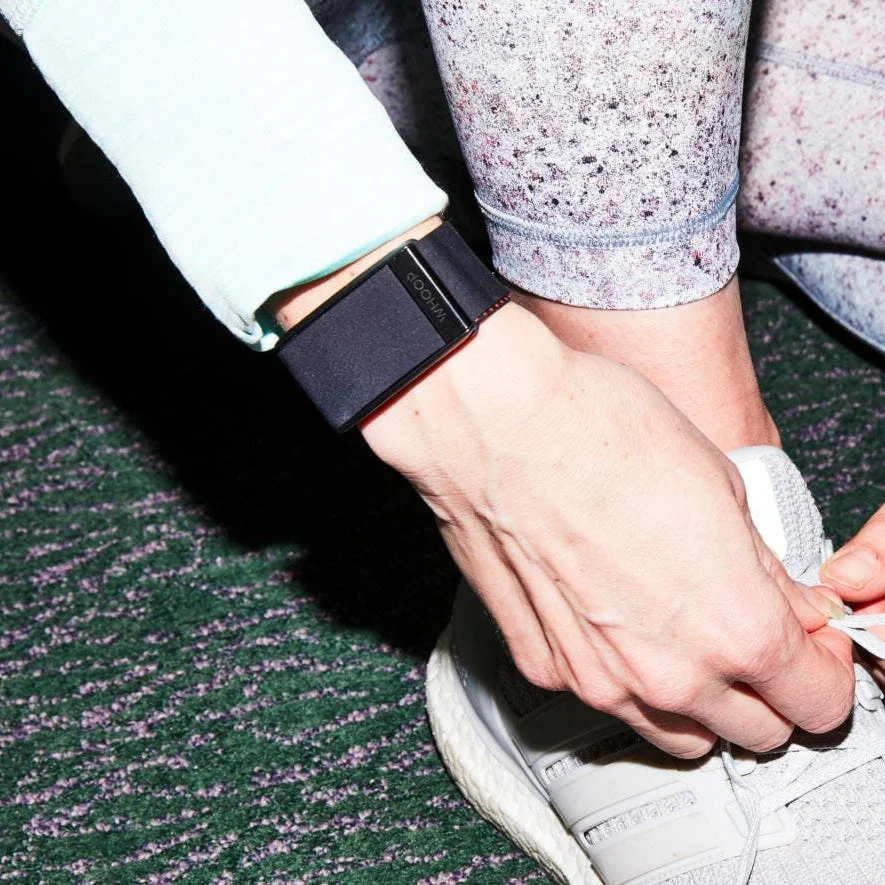
Pros
- Great insights and use of metrics
- A full year of membership is included, making the investment easier to swallow
- The band is lightweight and comfortable enough to wear 24/7
Cons
- The band has no display
- It’s definitely not the prettiest wearable
The Whoop Peak is a heckuva fun wearable device for deep health and fitness insights—tracking not just your heart rate, but also recovery, sleep quality, strain, and more. I love how all that data comes together to show me exactly when to push harder and when to rest. I am notorious for doing all the things, all at once, like training for a marathon while also working on a deadline for my book and keeping my demanding day job. This is great for my AuDHD brain, but can be hard on my body. The Whoop dials into that and lets me know I’ve been going too hard and my recovery metrics are showing that. The only real trade-off with this wearable? You have to look at your phone for every stat, since the band has no face or display.
And while you do pay for a monthly membership to access the full suite of features, the first year is included, which makes it easier to justify. It doesn’t warn you as often as the Oura ring or a Garmin device about your habits, but features a lighter touch in the “you’re overdoing it” shame department.
Pros
- Easy to clip and go
- Stays put snugly without any bouncing or chafing
- The heart rate data is impressively accurate
- Battery life is fantastic
Cons
- The clips are a bit bulky and definitely show under tight or thin tops
- It only works well with certain tighter sports bras
- If you don’t have a compatible Garmin watch, you won’t get those cool advanced metrics
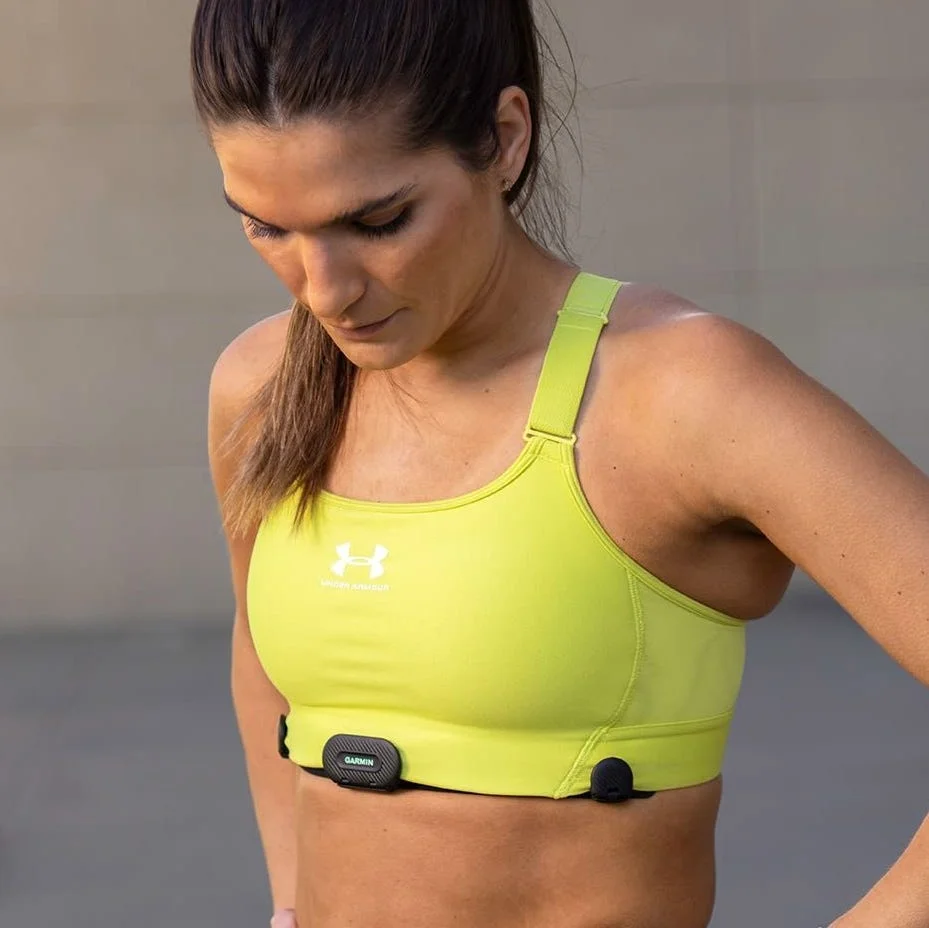
The Garmin HRM-Fit has totally changed how I think about heart rate straps. Instead of wrapping around my chest like the usual band (and fighting with my sports bra every run), it clips right onto the underband of a medium- or high-support bra. No chafing, no slipping—just accurate tracking that feels almost invisible once I get going.
It did take a minute to learn how to get the clips sitting just right, but now it’s second nature. My heart rate data is spot-on, and I love that it pairs instantly with my Garmin watch and other devices via Bluetooth or ANT+. The chunky clips do show under tight tops, so it’s not exactly stealthy, but the yearlong battery life makes up for it. For me, it’s comfort, accuracy, and freedom—all in one.
Pros
- Thinner than previous models
- Tons of in-depth metrics
- Long battery life for a wearable
Cons
- Still not fun to wear while lifting
- Sometimes picks up weird things as activities
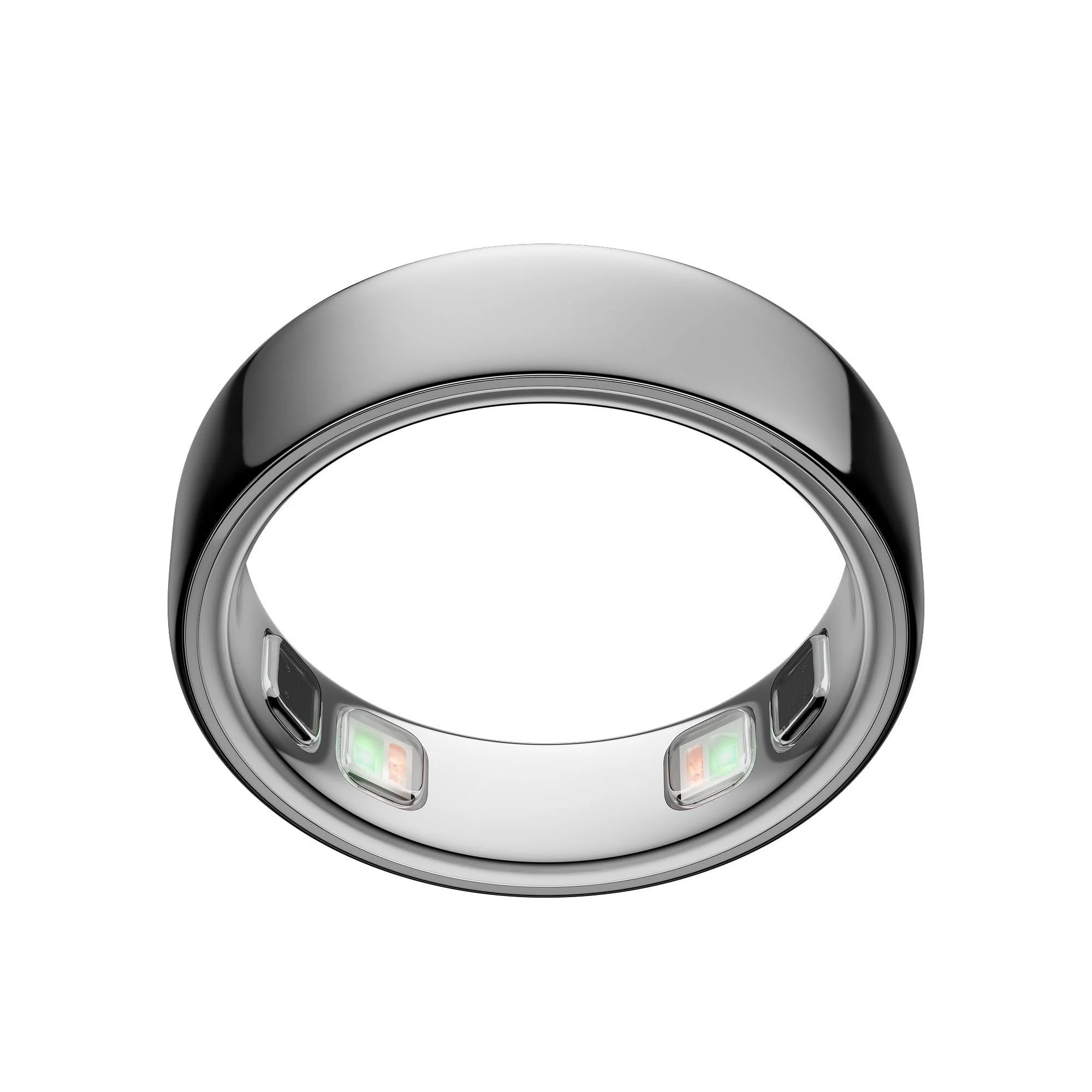
I am a big fan of the upgrades on the Oura Ring 5. First of all, it’s a lot slimmer and lighter than previous models, and it also doesn’t scratch as easily. On top of that, the battery life is much improved. But what really matters is what the ring does.
It’s an accurate HRM that picks up activities easily, sometimes too easily as it can occasionally register things like vacuuming as “dancing” or cleaning the bathroom as “HIIT.” Though that might speak more to the vigor with which I scrub the bathroom than any mistake of the ring itself.
When I’m on my run, it tracks my heart rate, oxygen, and effort, and gives me insights on where I can improve and what I can do to achieve that, and it’s easy to understand and well thought out. But what I really love is how it looks at my cycle, and helps me understand how that might be affecting my workouts. As it turns out, perimenopause is messing with my life hard-core, and now my previously unpredictable cycle has become even more unpredictable, and it’s making my runs around my period so much worse.
But there’s help in the app for that, as well. In the app, you can connect with health practitioners or link to your own healthcare provider, upload your labs, food diary, and more, and get advice based on your current goals and situation. I recently linked to my primary care doctor and my hematologist to determine just how my cycle, training, diet, and anemia were affecting each other, and we came up with a plan for treatment. To the infusion clinic I go! Before I had this ability, the process was a lot longer and a much bigger pain in the butt. Now, my doctors and I can make concrete plans far more easily, and it’s been a big blessing.
What to Consider
Sizing Issues
Many standard heart rate monitors—especially chest straps and armbands—pose real and annoying challenges for size inclusivity. Limited strap size ranges often make them too small for bigger runners and too large or bulky for petite athletes, affecting comfort, fit, and even accuracy.
For women with large breasts who require more supportive bras, chest straps can be particularly tricky. Supportive or high-compression bras may push the strap down, create pressure points, or cause shifting, which can lead to discomfort, chafing, or inconsistent readings. When shopping for a heart rate monitor, it’s important to consider not only strap length and adjustability but also how well the design works with your body type and workout apparel to ensure both comfort and reliable data.
FAQs
How accurate are wrist-based HRMs compared to chest straps?
Wrist-based optical sensors are good these days—accurate enough for most people—but chest straps still win during activities with sudden heart rate spikes or lots of wrist movement.
Do I need a subscription for my HRM?
Most HRMs don’t require one, but some, like Whoop or Oura, do charge a monthly membership for access to their full analytics and insights. That subscription cost is worth factoring into your budget.
Can heart rate monitors detect health issues?
HRMs aren’t medical devices, but trends in your heart rate, recovery, or heart rhythm can signal changes worth discussing with your healthcare provider. Some devices, like the Apple Watch, even have FDA-cleared ECG apps to record heart rhythm data.

Cat Bowen, senior editor of commerce; reviews, is a seasoned runner with more than 20 years of distance running experience, including dozens of marathons, half marathons, and even a few ultra marathons. For over a decade, she has tested parenting, fitness, home, and running gear and written in-depth guides to help readers with their next purchase. Holding multiple advanced degrees and currently studying kinesiology, Cat Bowen brings research-backed insight to all of her guides. Passionate about women’s health and neurodivergent inclusion, she advocates for closing research gaps and helping others—especially AudHD people—find joy in running and fitness.