How Emilie Mann Is Preparing For the Biggest Ultra of Her Life
This month, Canadian ultra-trail runner Emilie Mann (pictured above) will take on one of her sport’s most iconic—and demanding—events: a 174-kilometer race through the French Alps with more than 9,900 meters (32,400 feet) of elevation gain. Holding an almost mythical status among trail runners, the course winds through rugged terrain, demanding physical and mental endurance over more than 100 miles.
“With any distance, but especially longer ones, there are going to be highs and lows,” says Mann, 34, of Kelowna, British Columbia. “A big goal of mine is to just stay present and remember that I’ve done the hard work.”
Prepping for a race like this involves far more than logging miles. From race-specific training to nutrition to the shoes she’ll rely on from start to finish—the Merrell Agility Peak 6—every detail is meticulously planned. Here’s a closer look at how Mann is getting ready for one of trail running’s most grueling challenges.
Training for Mountain Terrain
Mann’s preparation unfolds in stages. Throughout the year, she’s built toward the event by consistently hitting her target mileage and carefully choosing her tune-up races. “I’ve had other races throughout the year that my coach and I have chosen because they’re appropriate and provide a good training stimulus,” she says. “It’s all these little building blocks along the way.”
As race day draws closer, those building blocks become increasingly specific. “There’s going to be over 9,000 meters of vertical gain over the course, so I try to mimic that,” Mann says. “I’m not going to go out and run 9,000 meters of vert [in my training], but I don’t plan my long runs to be flat, either.”
She also looks for opportunities to build “time on feet,” whether that’s on long training runs, hikes with friends, or during her 12-hour shifts as a part-time respiratory therapist. “I always think to myself, ‘I’m going to be on my feet for this many hours,’” she says. “In a way, [my shifts are] also good training.”
Confidence Underfoot
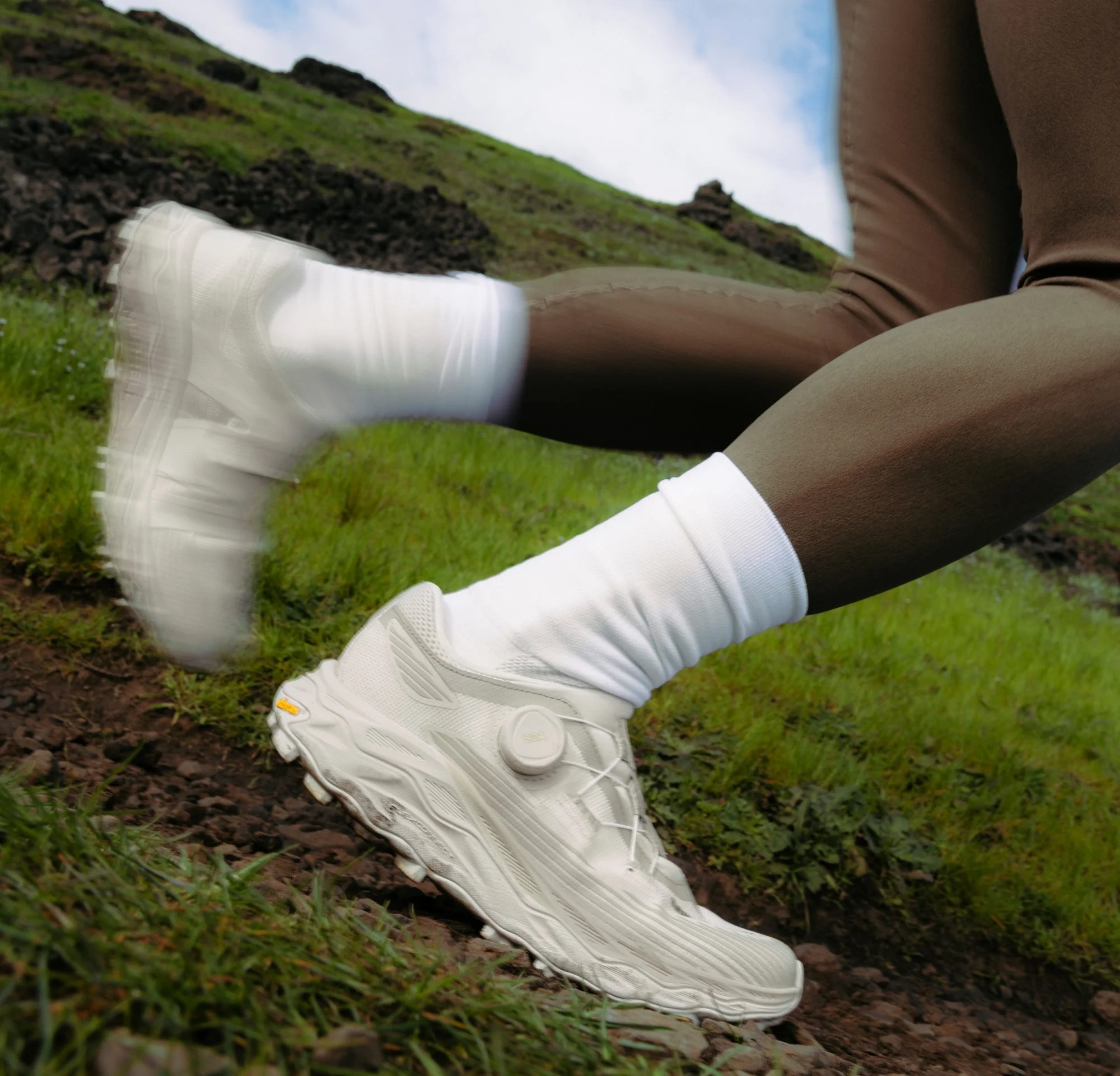
Choosing the right trail shoe is another important part of preparation. For Mann, who wears Merrell’s Agility Peak 6 trail runner, comfort is king. “On a race this long, you want a shoe that’s really comfortable,” she says. “You want something you won’t have to change partway through a race, because that’s extremely annoying and also takes away from your time.”
That’s exactly what Mann says she’s found in the Agility Peak 6. “There hasn’t been a time when I’ve needed to take them off and switch to another shoe because my feet hurt,” she says. “When we think about more comfort and more cushioning, it often means a lot more weight. These are still really nice and light, so you feel fast, but they’re also durable enough to last you many hours on the trail.”
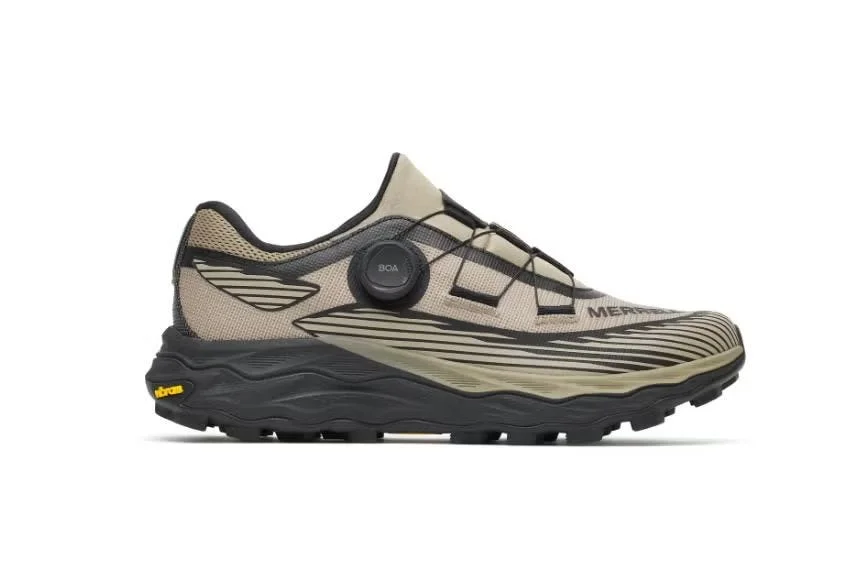
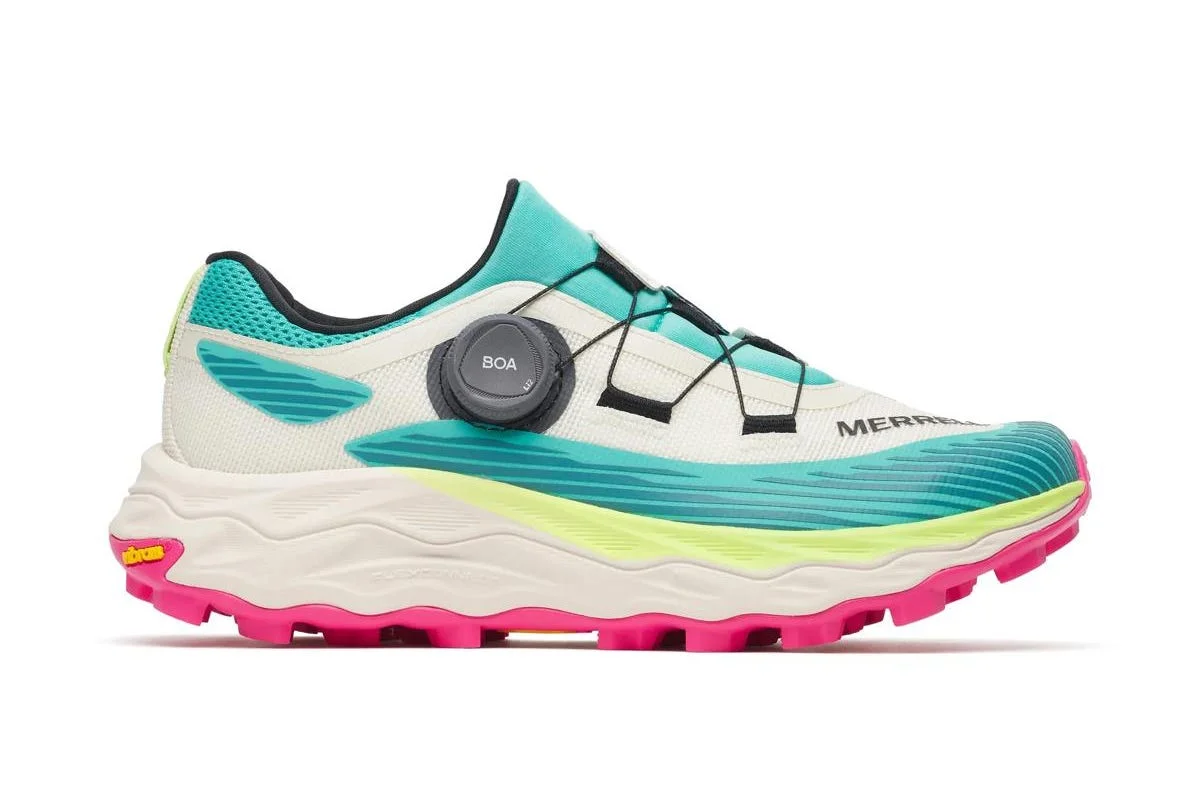
Technical features like the FloatPro foam midsole and the Vibram Megagrip outsole with traction lugs help the Agility Peak 6 perform mile after mile, offering energy return and a strong grip on both wet and dry terrain. “When the weather changes and you’re running over bigger slabs of rock, it’s really important to have good traction,” Mann says. “That’s one of the big features of the Agility Peak 6—it gives you more confidence so you’re not second-guessing every step you’re taking.” Merrell also offers a GORE-TEX® version for runners who expect to splash through puddles or streams, as well as an optional BOA closure for a more customized fit.
But for Mann, the most important thing is finding footwear she doesn’t have to fuss with. “When I’m not thinking about my feet at all, that’s when I know it’s a really good shoe,” she says. “The best shoe is one that you’re never even thinking about when you’re running.”
More Than Mileage
Some of the most important parts of Mann’s preparation happen away from the trail—starting with nutrition. “The amount that I’m eating now is a lot more than what I was eating at the beginning of the year,” she says. “I’m constantly snacking between meals and really focused on carbohydrates.”
To help support that effort, Mann recently began working with a dietitian for the first time. She says the experience has helped fine-tune her fueling strategy. “There’s a lot that goes into preparing for a race this big,” she says. “When I really stop and think about it, there are a bunch of different components.”
One of those components is yoga. Outside of running, Mann teaches classes at a local studio, which she says has strengthened her both physically and mentally. “In yoga you’re always tuning into your breathing, grounding, and connecting yourself,” she says.
Breathing is also central to Mann’s work as a respiratory therapist, reinforcing a mindset she uses during races. “When you’re out on the trail and something goes wrong—maybe your nutrition is off or you’ve taken a wrong turn—it’s easy to spiral and think your race is over,” she says. “The first thing I tell myself is, ‘Come back to your breath, take a beat, re-ground.’ Then you can think much more clearly and make better decisions.”
That ability to stay present helps Mann find what runners often call the flow state. “You’re tuning in and devoting yourself to the movement, the pace, and the trail,” she says. “When I get into that flow state, it’s pure joy.”
Embracing the Challenge
As daunting as the French Alps race may be, Mann hopes her journey encourages others to chase challenges of their own. She still remembers lining up for her first ultra feeling “absolutely terrified,” but it changed the course of her running career. Now, after years of training—and with the Merrell Agility Peak 6 carrying her over more than 100 miles of alpine terrain—she’s ready for her next big test.
“You might fall short of your goal, or you might end up falling in love with the thing you’re going after,” she says. “But why not try?”